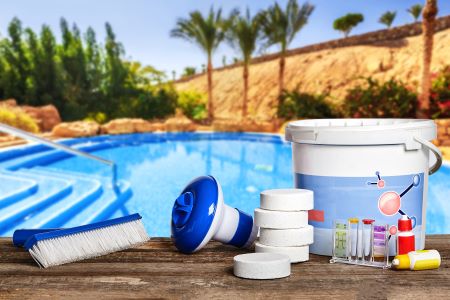
Swimming pool equipment plays an essential role in keeping pool water clean, balanced, and safe for swimming. Pumps circulate water, filters remove debris, heaters maintain comfortable temperatures, and automatic cleaners help control dirt and buildup. Over time, however, even well-maintained equipment experiences wear and tear. Seals deteriorate, motors lose efficiency, filters become damaged, and electrical components may eventually fail.
When a problem occurs, pool owners must decide whether to repair the existing equipment, replace a specific component, or invest in an entirely new unit. Making the right choice can help control maintenance costs, prevent recurring breakdowns, and extend the useful life of a pool system. Understanding the purpose of different replacement parts and recognizing common warning signs makes it easier to make informed decisions.
Having access to reliable swimming pool equipment and supplies can also simplify routine maintenance and help pool owners find suitable components when repairs become necessary. The key is to identify the underlying problem, confirm compatibility, and compare the long-term value of repairing versus replacing the equipment.
Why Swimming Pool Equipment Needs Replacement Parts
Pool equipment operates in a demanding environment. Water, moisture, chemicals, sunlight, temperature changes, and continuous mechanical movement can gradually affect its performance. Even components designed for outdoor use eventually wear out.
Replacement parts allow pool owners to restore the performance of otherwise functional equipment without replacing an entire system. A worn pump seal, damaged filter gasket, or broken cleaner wheel may be inexpensive to replace compared with buying a new unit.
Common reasons replacement parts become necessary include:
- Normal wear and tear: Moving parts, seals, bearings, and gaskets deteriorate over time.
- Chemical exposure: Incorrect water chemistry can accelerate corrosion and damage certain materials.
- Blockages and restricted flow: Debris can strain pumps, cleaners, and filtration systems.
- Weather exposure: Sunlight, freezing temperatures, and environmental conditions can weaken components.
- Electrical or mechanical faults: Motors, switches, sensors, and control boards may fail.
- Poor maintenance: Neglected cleaning, delayed repairs, or improper operation can shorten equipment life.
Understanding why a component failed is important. Replacing a damaged part without correcting the underlying cause may lead to another breakdown.
1. Swimming Pool Pump Replacement Parts
<AsyncImage query=”swimming pool circulation pump disassembled replacement parts mechanical seal impeller pump basket and housing” aspectRatio=”16:9″ width=”100%” />
The pool pump circulates water through the filtration and treatment system. Because it contains moving parts and often operates for several hours each day, it is one of the main pieces of equipment that may require repairs.
Common Pump Parts That Wear Out
Several pump components can be replaced independently, depending on the model and the extent of the damage.
- Pump seals: Prevent water from leaking around the motor shaft.
- O-rings and gaskets: Create watertight seals between connected components.
- Impellers: Move water through the pump and can become clogged, worn, or damaged.
- Pump baskets: Collect leaves and larger debris before they reach the impeller.
- Lids and lid seals: Help maintain a proper seal around the strainer housing.
- Bearings and motors: May require specialist repair or replacement when noise, overheating, or electrical problems develop.
The availability of individual parts depends on the manufacturer and pump model.
When Should You Repair a Pool Pump?
Repair may be appropriate when the pump housing remains in good condition and the fault is limited to a replaceable component. For example, a leaking pump may need a new shaft seal or gasket rather than an entirely new pump.
A clogged impeller may also be recoverable through proper cleaning, provided it has not been damaged.
When Is Pump Replacement Better?
Replacing the complete pump may be more practical when the motor has failed, the housing is cracked, compatible parts are unavailable, or repairs would cost nearly as much as a suitable replacement.
An older pump that consumes excessive electricity may also justify replacement with a properly sized, more energy-efficient model. Compare expected operating costs, installation expenses, warranty coverage, and future maintenance needs before making a decision.
Important: Electrical pump repairs should be handled by a qualified professional. Turn off and isolate the power before any authorized inspection, and never operate equipment that shows signs of electrical damage.
2. Pool Filter Replacement Parts
<AsyncImage query=”swimming pool cartridge filter replacement pleated cartridge element beside pool filtration housing” aspectRatio=”16:9″ width=”100%” />
The filter removes suspended particles and debris from circulating water. Different filtration systems use different media and components, so identifying the filter type is the first step when purchasing replacement parts.
Cartridge Filter Components
Cartridge systems use pleated filter elements that trap debris as water passes through them. Over time, the pleats may become damaged, deformed, or unable to clean effectively.
Common replacement items include:
- Filter cartridges
- Housing O-rings and gaskets
- Pressure gauges
- Air-relief valves
- Drain plugs and associated seals
Cleaning can restore a dirty cartridge when it remains structurally sound. Replacement is usually necessary if the media is torn, the end caps are damaged, or the cartridge no longer performs adequately after proper cleaning.
Sand Filter Components
Sand filters use a bed of filter media to capture particles. Depending on the system, replacement parts may include the multiport valve, internal laterals, standpipe, pressure gauge, and seals.
A leaking valve or damaged internal component may be repairable without replacing the filter tank. If the tank itself is cracked or structurally compromised, however, complete replacement may be necessary.
Diatomaceous Earth Filter Components
Diatomaceous earth, or DE, systems use specialized grids or elements coated with filtration powder. Torn grids, damaged manifolds, worn seals, and faulty valves may require replacement.
Because DE systems have specific handling and maintenance requirements, follow the manufacturer’s instructions when opening, cleaning, or servicing them.
Signs That Filter Parts Need Attention
Watch for persistent cloudy water despite correct treatment, abnormal pressure readings, visible leaks, damaged filter media, or reduced circulation. These symptoms can have several causes, so inspect the complete filtration system rather than automatically purchasing a new cartridge or filter.
3. Pool Heater Replacement Parts
<AsyncImage query=”residential swimming pool heater unit with technician inspecting heater plumbing connections and control panel” aspectRatio=”16:9″ width=”100%” />
Pool heaters contain components that can deteriorate through repeated heating cycles, moisture exposure, mineral deposits, and chemical imbalance. The appropriate repair depends on the heater type and the nature of the fault.
Common Heater Parts
Depending on the system, replacement components may include:
- Temperature sensors and thermostats
- Pressure and flow switches
- Ignition components for compatible gas heaters
- Heat exchangers
- Electrical control boards
- Pumps, fans, or other components used by particular heat-pump models
- Plumbing unions, seals, and gaskets
Not every heater fault requires replacing the whole unit. A failed sensor, for example, may be replaceable if the rest of the heater is in sound condition.
When to Repair a Pool Heater
A repair may be worthwhile when the unit is relatively modern, replacement parts are available, and the problem is limited to a serviceable component. Correcting a faulty sensor or connection can restore operation without requiring a new heater.
When to Replace the Heater
Consider replacement if the heat exchanger is extensively damaged, corrosion is widespread, major components repeatedly fail, or the heater is approaching the end of its expected service life.
Energy efficiency also matters. If an older heater has high operating costs, compare the total cost of repair with the long-term savings and installation expenses of a more efficient model.
Gas connections, combustion systems, high-voltage components, and refrigerant circuits require appropriately qualified technicians. Avoid attempting repairs that involve these systems without the necessary training and authorization.
4. Pool Cleaner Replacement Parts
<AsyncImage query=”automatic robotic swimming pool cleaner with replacement brushes wheels filter basket and cable arranged nearby” aspectRatio=”16:9″ width=”100%” />
Automatic pool cleaners reduce manual cleaning by collecting debris from the floor, walls, and sometimes the waterline. Their moving components can wear down over time, particularly when used frequently or exposed to unsuitable pool conditions.
Common Cleaner Parts
Depending on the cleaner design, replaceable components may include:
- Brushes and scrubbers
- Wheels, tracks, and rollers
- Debris bags or filter baskets
- Hoses and hose connectors
- Drive belts and gears
- Power cables and selected electrical components
For suction-side and pressure-side cleaners, inspect hoses and connections for cracks or leaks. For robotic cleaners, check the manufacturer’s troubleshooting guidance before replacing electronic or drive components.
Repair or Replace a Pool Cleaner?
Replacing a worn brush, damaged hose, or clogged filter basket is often more economical than buying another cleaner. A unit that has stopped moving may have a simple blockage or worn drive component.
A new cleaner may be a better investment when its motor or control system has failed, several major components require replacement, or parts are no longer available.
Before buying replacement components, verify the exact cleaner model and revision. Similar-looking cleaners may use different wheels, tracks, filter elements, or connectors.
5. Pool Valves, Pipes, and Plumbing Components
Pool plumbing distributes water between the pump, filter, heater, sanitation system, and pool returns. Leaks or restrictions in this network can reduce circulation and place additional strain on equipment.
Parts Commonly Replaced
Typical replacement components include:
- PVC fittings and unions
- Valve handles and internal valve components
- O-rings and gaskets
- Drain plugs
- Check valves
- Flexible cleaner hoses
- Selected sections of damaged pipe
A leaking union or worn valve seal may be repairable without replacing the entire plumbing assembly. A cracked pipe may require cutting out and replacing the damaged section.
Recognizing Plumbing Problems
Potential warning signs include visible leaks, air bubbles returning to the pool, persistent loss of pump prime, unexplained pressure changes, or wet areas around buried plumbing.
These symptoms do not always identify the exact fault. Air entering the suction side, a blocked line, and a damaged valve can produce similar behavior.
Prompt diagnosis is important because prolonged leaks can waste water and damage nearby structures. If the plumbing is buried or the source of the leak is unclear, a pool professional may be able to locate the problem with specialized testing.
6. Pool Automation and Electrical Replacement Parts
Modern pool systems may include digital controllers, timers, sensors, relays, lighting controls, and communication modules. These components can make maintenance easier, but faults sometimes require replacement parts or professional diagnosis.
Common Automation Components
Depending on the system, serviceable items may include:
- Temperature and flow sensors
- Timers and compatible control modules
- Relays and switches
- Display units
- Communication accessories
- Manufacturer-approved lighting components
Before replacing a controller, check for simpler issues such as incorrect settings, a tripped circuit breaker, a loose connection, or a failed sensor. Some apparent control-board failures are actually caused by another component.
When Professional Service Is Necessary
Water and electricity create a serious safety risk around pools. Electrical faults, damaged wiring, underwater lighting circuits, and control equipment should be assessed by qualified personnel.
Do not install a generic electrical component solely because it appears to fit. Voltage ratings, current capacity, environmental protection, and manufacturer compatibility all matter.
If the equipment is under warranty, contact the manufacturer or authorized service provider before opening sealed components or installing non-approved parts.
7. Repair or Replace? How to Make the Right Decision
The best decision depends on the part’s condition, the equipment’s age, repair costs, energy use, and the likelihood of future failures. A simple replacement part can extend equipment life considerably, while repeated repairs to an aging system may create greater expense over time.
Use the following comparison as a starting point.
| Factor | Repair or replace a part | Replace the complete unit |
|---|---|---|
| Extent of damage | Limited to a serviceable component | Major structural or system damage |
| Equipment condition | Remaining components are in good condition | Multiple components are worn or failing |
| Parts availability | Correct parts are available | Essential parts are discontinued |
| Repair cost | Clearly lower than a suitable new unit | Repair approaches the cost of replacement |
| Energy efficiency | Existing unit still performs efficiently | New equipment could significantly reduce operating costs |
| Reliability | Repair is likely to provide dependable service | Repeated breakdowns continue |
| Warranty | Repair preserves appropriate warranty coverage | New equipment offers better overall coverage or support |
Use the Total Cost of Ownership
Avoid basing the decision entirely on the immediate repair bill. Consider the combined cost of purchasing, installing, operating, maintaining, and eventually replacing the equipment.
For example, repairing an older pump might be inexpensive, but the decision could be less attractive if the pump consumes substantially more electricity than a suitable replacement. Conversely, replacing a relatively new pump because of a damaged seal may be unnecessary.
A useful approach is to obtain a repair estimate and compare it with the installed cost of a suitable replacement. Include likely future maintenance expenses and realistic operating savings.
8. How to Choose the Correct Replacement Parts
Buying the wrong part can delay repairs, increase costs, and potentially damage equipment. Before placing an order, gather accurate information about the existing unit.
Identify the Manufacturer and Model
Look for the product label, serial number, model number, and any revision information. These details help distinguish components that may appear similar but have different dimensions or specifications.
If the label is damaged or missing, consult the original purchase documentation or contact the manufacturer with photographs and available identifying information.
Check Dimensions and Technical Specifications
Do not rely on appearance alone. Confirm relevant measurements, connection sizes, voltage, pressure ratings, material compatibility, and other requirements specified by the manufacturer.
For example, a pump seal must match the relevant pump assembly, while a filter cartridge must fit the housing and provide the required filtration characteristics.
Verify Compatibility With the Complete System
Some replacement parts are compatible only with particular equipment generations or configurations. A controller may require a specific firmware version, while a cleaner may use a different track or brush design from an earlier model.
When compatibility is uncertain, request confirmation from the manufacturer or a knowledgeable pool equipment supplier.
Review Quality and Warranty Information
Consider manufacturer specifications, warranty terms, replacement-part availability, and the reputation of the supplier. A lower purchase price may not provide the best value if the part has a short service life or limited support.
Keep receipts and product documentation, especially for major components or equipment covered by a warranty.
9. Preventing Premature Equipment Failure
Regular maintenance can reduce the need for replacement parts and help pool systems operate reliably. Prevention is often less expensive than allowing a minor problem to damage other components.
Maintain Proper Water Chemistry
Water that is too acidic, too alkaline, or otherwise improperly balanced can contribute to corrosion, scale formation, and damage to some equipment materials.
Test the water consistently and follow the manufacturer’s recommended ranges for the pool and its components. Pay particular attention to the requirements of heaters, saltwater systems, and metal components.
Clean Baskets and Filters Regularly
Remove debris from skimmer and pump baskets as needed, and maintain filters according to their design. Restricted water flow can strain pumps and reduce overall system performance.
Do not use cleaning chemicals or tools that could damage filter media or equipment seals.
Inspect Seals and Connections
Check accessible plumbing connections, pump lids, valve areas, and equipment pads for leaks. Address small leaks promptly instead of allowing moisture to affect nearby motors or electrical components.
Follow Seasonal Maintenance Requirements
Pools exposed to freezing temperatures may need specific winterization procedures to protect pipes, pumps, and filter housings. Pools used year-round may require different inspection schedules.
Always follow the instructions for the equipment and local climate. Improper winterization can cause cracking and expensive damage.
Keep Maintenance Records
Record the dates of repairs, parts installed, recurring symptoms, and equipment servicing. These records help identify patterns and make future repair-versus-replacement decisions more accurate.
10. Common Mistakes to Avoid When Replacing Pool Parts
Even straightforward repairs can create additional problems if the underlying fault is not properly diagnosed.
Replacing parts without finding the cause: A damaged seal may be the result of incorrect installation, worn bearings, or excessive vibration. Correcting only the seal may not resolve the issue.
Choosing parts based on price alone: A low-cost component that is incompatible or poorly suited to the system may fail quickly.
Ignoring manufacturer instructions: Installation procedures, lubrication requirements, torque specifications, and approved replacement components can vary by model.
Delaying repairs: A small leak or unusual noise can indicate a developing fault. Leaving it unaddressed may damage additional components.
Attempting unsafe electrical or gas repairs: Pool equipment combines water, electricity, pressure, and sometimes combustible fuel. Specialized work should be performed by qualified professionals.
Discarding repairable equipment too quickly: A failed minor component does not necessarily mean the entire system has reached the end of its useful life.
A careful diagnosis helps avoid both unnecessary purchases and repeated repair expenses.
Conclusion
Swimming pool replacement parts help maintain reliable circulation, filtration, heating, cleaning, and water treatment without requiring complete equipment replacement every time a component fails. Pump seals, filter cartridges, heater sensors, cleaner brushes, plumbing fittings, and compatible control components can often restore performance when the main equipment remains in good condition.
The right decision depends on the severity of the fault, parts availability, equipment age, energy efficiency, and the total cost of continued ownership. Repairing a relatively minor problem is often sensible, while extensive damage, repeated failures, poor efficiency, or unavailable components may justify replacing the complete unit.
By identifying equipment accurately, choosing compatible replacement parts, maintaining balanced water chemistry, and addressing early warning signs, pool owners can reduce avoidable expenses and extend the service life of their pool systems.