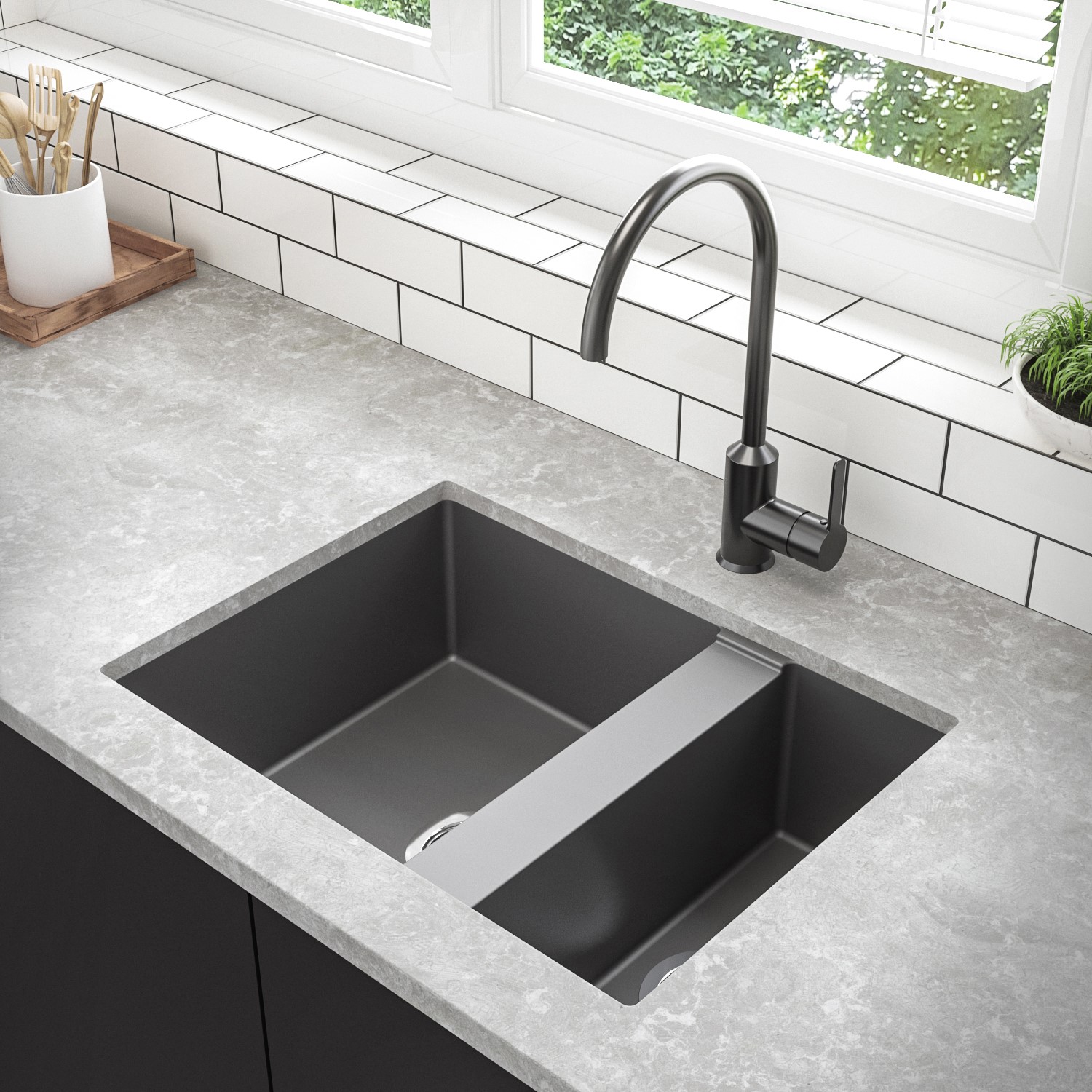
A custom sink can be an effective way to create a kitchen that fits specific functional and design requirements. Unlike standard models, a custom granite sink can be planned around the available countertop space, cabinet dimensions, preferred bowl configuration, and overall kitchen style.
When considering Custom Granite Sink options, it is important to look beyond appearance. Dimensions, material characteristics, installation requirements, drainage, maintenance, and everyday usage should all be considered before finalizing the design.
Start With Accurate Measurements
Measurements are the foundation of any custom sink project. The available cabinet width, countertop depth, and surrounding workspace should be measured carefully before deciding on the sink dimensions.
Consider the space required for the basin, faucet, plumbing connections, and any accessories. Accurate measurements can help prevent installation issues later in the project.
Choose the Right Bowl Configuration
Think about how the sink will be used on a daily basis. A large single bowl can provide plenty of space for washing oversized cookware, baking trays, and other large items.
A double-bowl configuration may be more suitable for households that prefer separate areas for washing and rinsing. The proportions of each bowl can also be considered when planning a custom design.
Decide on the Sink Depth
Sink depth affects both capacity and comfort. A deeper basin can accommodate larger cookware, but an excessively deep sink may require users to bend farther while working.
Consider the height of the primary users and the types of items that are commonly washed. The goal is to create a basin that provides sufficient capacity without compromising comfort.
Select the Granite Material Carefully
Granite-based sink materials can vary in composition, finish, and performance. Some designs use natural stone, while engineered granite composite materials combine mineral particles with a binding resin.
Review the material specifications carefully to understand its resistance to heat, impact, scratches, and staining. The manufacturer’s recommendations should also guide cleaning and maintenance decisions.
Consider the Installation Method
The installation style should be determined during the design stage rather than treated as an afterthought. Undermount installation can create a clean transition between the countertop and sink, while top-mount designs may be suitable for different countertop configurations.
The countertop material also matters. Make sure the selected installation method is compatible with the counter and cabinet structure.
Plan the Drainage System
Drain placement can influence both sink functionality and cabinet space below the basin. A centered drain is common, but an offset design may provide more usable space inside the cabinet.
Consider the position of plumbing connections, garbage disposal equipment if applicable, and available storage space before finalizing the drain location.
Think About Faucet Placement
A custom sink should work naturally with the faucet and other countertop fixtures. Decide whether the faucet will be mounted directly to the countertop, sink deck, or another suitable surface.
The position should provide enough clearance for handles, accessories, windows, backsplashes, and surrounding cabinets. Planning these details early can create a more practical workspace.
Consider Accessories
Accessories can improve the functionality of a custom sink. Depending on the design, options may include:
- Sink grids for protecting the basin
- Removable colanders
- Cutting boards designed to fit over the bowl
- Drain baskets
- Custom covers or drying racks
Accessories should be compatible with the sink dimensions and material to avoid interfering with drainage or causing unnecessary surface wear.
Plan for Everyday Maintenance
A custom design should be practical to clean as well as attractive. Excessively tight corners, complicated edges, or unusual surface transitions can make routine cleaning more difficult.
Consider smooth, accessible surfaces and an appropriate drain design. Ask the manufacturer or fabricator about recommended cleaning products and maintenance procedures before selecting the final finish.
Match the Sink to the Kitchen Design
The sink should complement the surrounding kitchen rather than appear disconnected from it. Consider the color, texture, countertop material, cabinet style, backsplash, and hardware when selecting the final appearance.
A custom sink can be designed to become either a subtle part of the overall kitchen or a distinctive focal point, depending on the desired aesthetic.
Check Structural Requirements
Custom designs may require additional support depending on the sink’s size, weight, and installation method. Cabinet construction and countertop strength should be evaluated before fabrication begins.
Professional measurement and installation can be especially important for large or unusually shaped sinks. Proper support helps reduce the risk of movement or stress after installation.
Final Thoughts
Designing a custom granite sink requires careful attention to both aesthetics and functionality. Measurements, bowl configuration, depth, material, drainage, faucet placement, installation, and maintenance should all be considered before production.
A well-planned design can provide a sink that fits the kitchen more precisely and supports the way the space is used every day. Taking time to address these details early can make the final installation more practical, comfortable, and durable.