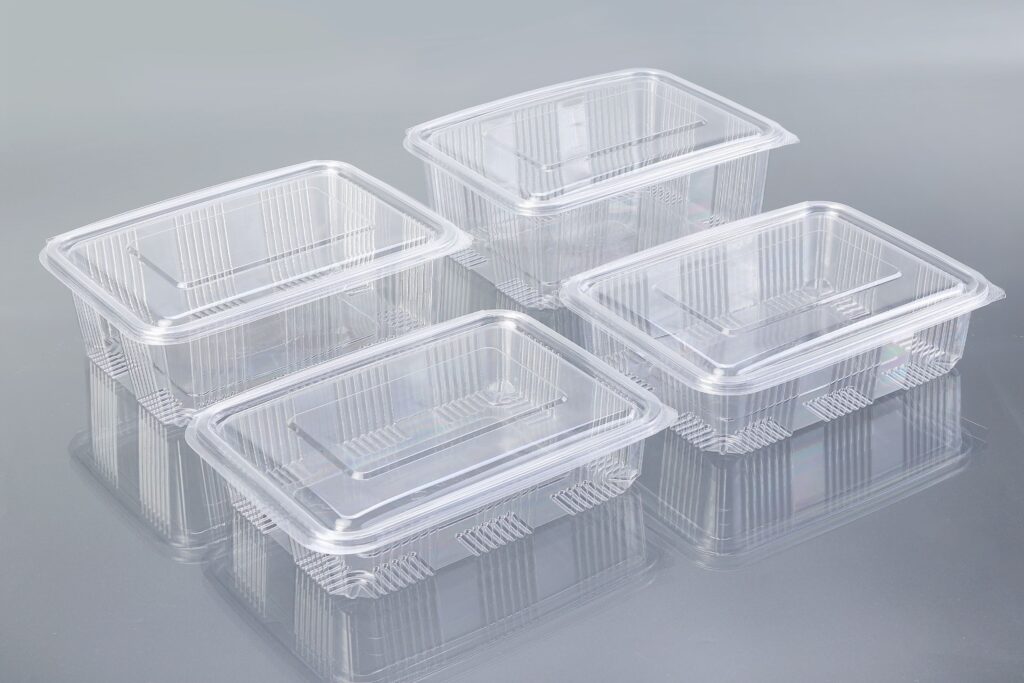
The closure is one of the most important functional parts of a hinged plastic container. A well-designed closure keeps the lid in position, protects the contents, and makes the package practical to open and close during everyday use.
When evaluating Hinged Plastic Containers Wholesale, businesses should examine how the closure works alongside the hinge, container rim, and lid. LRpacking is one supplier that businesses can review when comparing hinged container designs and product specifications.
Why Closure Design Matters
A container may have the right size and appearance but still be unsuitable if its closure is difficult to use or does not stay secure. Closure performance becomes particularly important when containers are used for bakery products, desserts, takeaway foods, or items that require transportation.
The right closure should provide a practical balance between security and ease of handling. Staff should be able to close containers efficiently without excessive pressure or repeated adjustments.
Common Closure Features
Hinged containers can use different closure configurations depending on their design and intended application. Common features may include interlocking tabs, snap closures, or molded locking points.
Each design can provide a different level of resistance to accidental opening. The important consideration is whether the closure performs consistently under the conditions in which the container will be used.
Snap-Closure Designs
Snap closures are designed to lock the lid into position when pressure is applied. They are commonly useful for packaging products that need to remain enclosed during storage or transportation.
When testing a snap closure, check whether it engages fully and produces a consistent fit. It should not require excessive force to close, nor should it open too easily during ordinary handling.
Locking Tabs
Some hinged containers use tabs that connect the lid to specific points on the container. These tabs can provide a straightforward way to secure the package.
Inspect the tabs for consistent molding and adequate strength. Repeated opening and closing can place stress on these areas, so durability should be considered if the container will be opened frequently.
Full-Rim Closures
A closure that engages around a larger portion of the container rim can help create a more consistent connection between the lid and base.
This type of design may be useful when protecting delicate products or maintaining a closed package during transportation. Test the entire rim rather than checking only one section of the closure.
Consider Hinge Performance
The closure and hinge work together. A strong closure cannot compensate for a hinge that is weak, poorly aligned, or difficult to operate.
Open and close sample containers several times to evaluate the hinge movement. Check whether the lid remains properly aligned with the base throughout the process.
Evaluate Ease of Opening
A secure container should still be reasonably easy for the intended user to open. If a package requires excessive force, it can be inconvenient for staff or customers.
Consider who will handle the container and how frequently it will be opened. A bakery selling single-use desserts may have different requirements from a food business using containers for repeated storage.
Test Closure Security
Practical testing is one of the best ways to evaluate a closure. Fill the container with the type of product it is designed to hold, close it, and handle it as it would normally be transported or stored.
For takeaway applications, test the container in delivery bags or boxes. For bakery products, check whether movement causes the lid to open or shift.
Consider Product Height
Closure performance can be affected by how much food is placed inside the container. Tall decorations, toppings, or overfilled products may press against the lid and interfere with proper closure.
Measure the height of the products being packaged and leave sufficient clearance. This is especially important for cakes, cupcakes, pastries, and decorated desserts.
Check Material Consistency
The closure depends partly on the consistency of the plastic around the locking areas. Warping or uneven molding can affect how the lid connects with the base.
When evaluating wholesale products, inspect several samples rather than relying on one container. Consistent fit across samples is an important practical consideration.
Consider Transportation Conditions
Containers used for delivery may experience vibration, stacking, and movement. A closure that works well on a stationary shelf should also be evaluated under realistic transportation conditions.
Place filled samples in the packaging used for delivery and move them through a typical handling process. Check whether the closure remains secure and whether the contents stay properly positioned.
Review Storage and Stacking
Closed hinged containers may be stored in display areas, refrigerators, boxes, or transport cases. Their closure design should work with the way the packages are stacked.
Test several filled containers together to determine whether stacking places pressure on the lids or causes them to shift.
Test Before a Large Purchase
Before ordering a large quantity, request samples when possible. Evaluate the hinge, closure, rim, lid alignment, and ease of opening and closing.
Testing actual products under normal operating conditions can reveal issues that may not be apparent from product photographs or basic specifications.
Final Thoughts
Closure design plays a major role in the practical performance of hinged plastic containers. Snap closures, locking tabs, full-rim connections, and other designs can offer different handling characteristics depending on the application.
Businesses should evaluate closure security, hinge performance, ease of use, product clearance, material consistency, and transportation requirements before making a large purchase. Testing samples with actual products can help confirm that the chosen container meets everyday packaging needs.