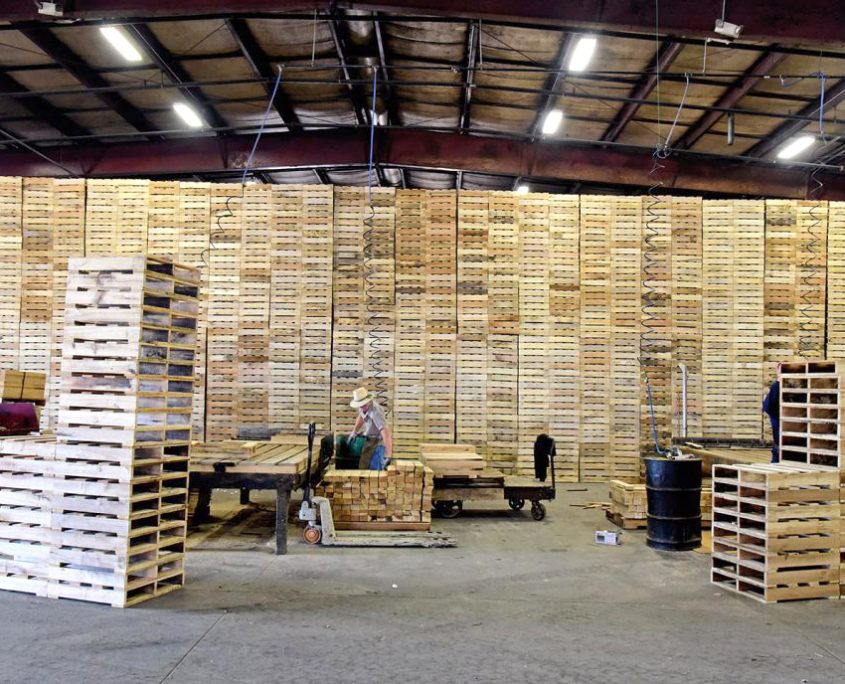
Moving from occasional small lots to regular bulk orders changes the shape of a resale business. More stock can support more sales, but it also increases the amount of cash sitting in products, the space needed to handle them and the number of decisions waiting to be made. Scaling works best when ordering volume grows in line with selling and processing capacity.
Know what the current operation can absorb
Before increasing order size, a reseller should measure the flow already in place. How much stock can be received, checked, photographed and listed in a normal week? How much storage stays usable rather than full? These questions reveal the point where extra inventory would stop helping and start creating a backlog. The next order should fit the operation that exists, not the business the owner hopes to have later.
Separate buying money from operating cash
Bulk stock may represent future revenue, but it cannot pay a bill until it sells. A reseller therefore needs a clear boundary between money available for purchasing and money required for costs. When planning to buy wholesale pallets, it is sensible to leave a cash buffer rather than commit every available pound to stock. Its size depends on the business, its expenses and how predictable its sales are.
Use stock turn to guide order frequency
A growing buyer can track how long categories usually take to move from delivery to sale. Fast-moving lines may support more frequent reordering, while slower products can build into a large balance of unsold stock. Looking at sell-through by category gives a better signal than total revenue alone. It can also show whether a recent sales increase came from sustainable demand or from heavy discounting.
Stage the move to larger lots
Scaling does not have to mean jumping from a few cartons to the biggest available load. A reseller can increase volume in steps and check its effect on cash, labour and storage. If the team can process the larger intake without delaying listings or customer service, the next increase is easier to justify. This approach also provides evidence about the true cost of handling more units.
Set purchase rules before offers appear
Opportunities can create pressure to act quickly, especially when stock seems scarce. Written buying rules help keep decisions consistent. They might cover preferred categories, maximum cash exposure, minimum information required and the types of condition risk the business can handle. Someone looking to buy wholesale pallets can then compare an offer with those rules instead of changing the rules to fit an exciting lot.
Plan more than one exit route
Not every product will suit the main sales channel. Some items may move better through local collection, bundles, trade sales or another marketplace, where appropriate. Knowing those routes before resellers buy wholesale pallets reduces the chance that slow stock becomes trapped. It also makes it easier to value mixed lots because the reseller is not expecting every item to sell in the same way.
Review cash after the order, not just sales
Turnover can rise while available cash falls. After each larger purchase cycle, the reseller should compare money spent, money recovered, stock still held and costs created by the extra volume. That review may show that the next useful investment is shelving, testing equipment or listing help rather than another load of goods.
The goal of scaling is not to hold the most inventory. It is to build a repeatable cycle in which stock arrives, becomes sale-ready and converts back to cash at a pace the business can support. Resellers who source bulk stock within clear cash limits and review the whole cycle can grow order volume without allowing inventory to consume the flexibility that made growth possible in the first place.