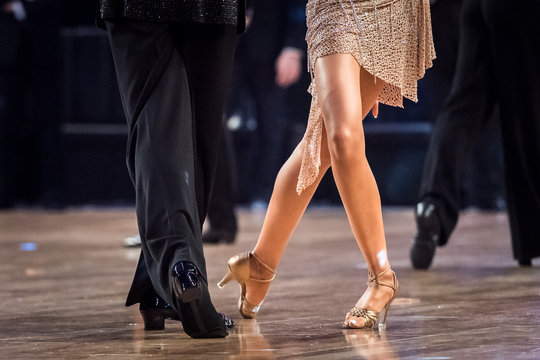
Competitive Latin dancing demands precision, stamina, balance, and expressive movement. Whether performing the cha-cha, samba, rumba, paso doble, or jive, dancers need footwear that supports quick transitions, controlled turns, and consistent footwork throughout a routine. The right shoes can help dancers focus on technique and choreography without unnecessary distractions caused by poor fit or unsuitable construction.
When shopping for Custom Latin Dance Shoes, competitive dancers should evaluate more than appearance. Heel height, sole material, foot measurements, strap placement, and overall durability can all influence comfort and movement. Understanding these factors before placing an order makes it easier to choose footwear suited to training sessions, rehearsals, and competition performances.
Why Dance Shoes Matter in Competitive Latin Dancing
Competitive routines often involve repeated weight transfers, rapid directional changes, precise foot articulation, and sustained movement under pressure. Ordinary footwear is rarely designed to accommodate these specific demands.
Latin dance shoes typically feature flexible construction, shaped heels, and soles designed for controlled movement on appropriate dance floors. Their design helps dancers maintain contact with the floor while executing pivots and changes in direction.
However, no shoe can replace proper technique or physical conditioning. The goal is to select footwear that fits correctly, supports the dancer’s preferred movements, and remains comfortable throughout the demands of competition preparation.
Determine Your Competition Requirements
Before comparing shoe designs, consider your competitive discipline, experience level, and training schedule. A dancer who practices several times each week may have different durability requirements from someone preparing for an occasional event.
Think about the movements that dominate your choreography. Fast footwork may require a particularly secure fit, while routines involving repeated pivots demand suitable traction and predictable shoe behavior.
It is also important to consider competition rules and instructor recommendations. Some events or training programs may have specific expectations regarding footwear, so confirm any relevant requirements before purchasing a new pair.
Choose the Right Heel Height
Heel height affects posture, balance, and weight distribution. In Latin dancing, it can also influence how the dancer positions the feet and transitions between movements.
Lower Heels for Stability and Control
Lower heels may suit beginners, dancers developing their technique, or performers who prioritize a manageable position during extended practice. They can provide a useful starting point for learning controlled movement without immediately adapting to a more elevated heel.
The best choice still depends on the shoe’s overall design, including heel placement, sole flexibility, and fit.
Medium Heels for Versatility
Medium-height heels can provide a practical balance between elevation and manageability. Depending on the dancer’s technique and preferences, they may be suitable for regular training and a range of Latin dance styles.
Dancers who perform multiple disciplines may find this option useful when they want a consistent feel across different routines.
Higher Heels for Experienced Competitors
Higher heels are often selected for their visual effect and because some experienced dancers are accustomed to performing in them. However, they may increase pressure on the forefoot and place greater demands on balance and ankle control.
Choose a height that supports your established technique rather than selecting one simply because it looks more dramatic. Test unfamiliar heel heights during practice before using them in competition.
Prioritize an Accurate Fit
A secure fit is essential when movements are fast and precise. Shoes that slide around the foot can make turns less predictable, while footwear that is too tight may cause pain, restrict movement, or create pressure points during long routines.
Measure both feet carefully and follow the manufacturer’s instructions. Record length and width, and consider differences in arch shape, instep height, and heel width.
When evaluating fit, pay attention to these details:
- Toe area: The front of the shoe should not painfully compress the toes.
- Forefoot: The shoe should accommodate natural weight transfer without excessive pressure.
- Heel: The heel should remain secure rather than slipping during movement.
- Straps: They should hold the foot comfortably without pinching.
- Overall structure: The shoe should support controlled movement without feeling excessively rigid.
Custom sizing may be worth exploring when standard footwear repeatedly causes fitting problems. Nevertheless, personalization is only beneficial when measurements and construction are accurate.
Select a Sole That Suits the Competition Floor
The sole influences traction, rotation, and the dancer’s connection with the floor. Many Latin dance shoes use suede soles because they offer a useful balance between grip and controlled pivots on suitable indoor surfaces.
Too much traction can make turning difficult, while insufficient grip may increase the risk of slipping. The appropriate balance depends on the floor material, its condition, and the dancer’s technique.
Before purchasing, confirm which sole material is offered and whether it is intended for your usual competition and practice environments. Ask about maintenance requirements as well, since dust and wear can change how a sole performs.
Avoid using delicate dance soles on rough outdoor surfaces. Keeping competition footwear for suitable indoor floors can help preserve its condition.
Compare Materials and Construction Quality
Competitive dancers often use their shoes frequently during training, making construction quality an important purchasing consideration. The materials should suit the expected workload while providing the desired appearance and flexibility.
Satin offers a refined finish often associated with formal performances, although it may require careful handling. Leather can provide a classic appearance and a structured feel, depending on its construction. Synthetic materials offer additional options in color, texture, and finish.
Beyond the upper material, inspect the details that affect durability. Stitching, heel attachments, strap connections, and edge finishing should be carefully constructed to withstand repeated movement.
Consider whether the shoe remains comfortable after an extended session rather than judging it solely by its initial appearance.
Decide Which Customization Options You Need
Customization can allow dancers to select particular features according to their physical requirements and preferences. Available options vary between manufacturers, so confirm what can actually be adjusted before placing an order.
Common considerations include:
- Sizing adjustments: Useful for dancers whose foot dimensions do not match standard sizing well.
- Heel selection: Allows consideration of height and shape appropriate for technique and comfort.
- Material and color: Helps coordinate footwear with competition costumes and personal preferences.
- Strap design: Can influence both the appearance and security of the fit.
- Decorative details: May add individuality, provided they do not interfere with comfort or movement.
Focus first on features that affect fit and performance. Once these needs are addressed, consider the visual details that complement your competition wardrobe.
Balance Comfort With Performance Demands
Competition preparation can involve long rehearsals and repeated practice of demanding sequences. Footwear that feels comfortable for a few minutes may reveal problems after an hour of training.
Pay attention to cushioning, breathability, strap pressure, and the way the shoe distributes weight across the foot. The shoe should feel secure without causing painful compression or restricting natural movement.
A brief fitting session cannot always predict how footwear will feel during extended use. When possible, test the shoes through progressively longer practice sessions before relying on them for a competition.
Persistent pain, numbness, or instability should not be ignored. If these problems continue, consult a qualified footwear specialist or healthcare professional rather than assuming the shoes simply need breaking in.
Consider Durability and Maintenance
Competitive footwear needs regular care, particularly when it is used for frequent practice. Proper maintenance can help preserve the sole’s texture, protect the upper material, and identify wear before it becomes a larger problem.
After each session, allow shoes to air out in a well-ventilated place away from direct heat. Use an appropriate brush to remove dust from suede soles, and follow material-specific instructions when cleaning the upper.
Inspect the straps, stitching, and heel attachments regularly. If the sole becomes excessively worn or the shoe begins to feel unstable, have it assessed and replace it when necessary.
Some dancers maintain separate pairs for practice and competition. This approach may help preserve the condition of performance footwear while allowing a more economical pair to handle everyday training.
Set a Realistic Budget
The price of dance shoes can vary according to materials, construction, brand, and the degree of personalization. Custom options may involve additional costs for measurements, specialized design features, or production requirements.
Before ordering, establish a budget and request a clear breakdown of the total price. Include shipping, applicable taxes, and any customization fees in your calculations.
Consider value over the expected lifespan of the shoes rather than focusing only on the initial cost. A well-fitting pair that suits your training needs may offer better long-term value than a less expensive option that requires frequent replacement.
At the same time, a higher price does not automatically guarantee better fit or performance. Evaluate the actual features, construction, and purchasing terms before deciding.
Check Production Times and Ordering Policies
Customized footwear may take longer to produce than standard, ready-to-wear shoes. Measurements, material availability, manufacturing schedules, and shipping arrangements can all affect delivery.
If you are preparing for a competition, order well ahead of the event. Allow enough time to inspect the shoes, assess their fit, and practice in them before the performance date.
Review the manufacturer’s policies for sizing issues, manufacturing defects, alterations, and cancellations. Keep a record of your measurements, chosen specifications, and order confirmation in case clarification is needed.
A clear understanding of the ordering process can reduce uncertainty and help you plan your competition preparation more effectively.
Common Mistakes Competitive Dancers Should Avoid
Even experienced performers can make purchasing decisions that negatively affect comfort or performance.
- Choosing appearance over fit: Attractive footwear is not useful if it causes pain or instability.
- Selecting an unfamiliar heel too close to competition: New footwear needs adequate practice time.
- Ignoring sole compatibility: Traction must suit the intended floor surface.
- Overlooking construction quality: Weak stitching or loose attachments may become problems during repeated use.
- Ordering without checking measurements: Assumptions about standard sizing can lead to an unsuitable fit.
- Failing to review delivery times: Late arrivals can leave insufficient time for testing and adjustment.
Planning ahead and evaluating the complete shoe design can help reduce these risks.
A Practical Checklist Before Placing Your Order
Before confirming your purchase, make sure you can answer the following questions:
- Have I measured both feet accurately?
- Is the heel height appropriate for my technique and comfort?
- Does the sole suit my regular dance floor?
- Are the materials appropriate for my training schedule?
- Have I confirmed which features can be customized?
- Do I understand the total cost and estimated delivery date?
- Have I reviewed the return, exchange, and adjustment policies?
- Will I have enough time to practice in the shoes before competition?
If any important detail remains unclear, ask the manufacturer for clarification before proceeding.
Final Thoughts
Selecting footwear for competitive Latin dancing requires careful attention to fit, heel height, sole construction, materials, durability, and personal preferences. Each element contributes to the overall experience, but the most important consideration is whether the shoes support your technique and allow controlled, comfortable movement.
Before investing in a custom pair, identify your specific requirements and compare the available options carefully. Confirm measurements, understand the manufacturer’s customization capabilities, and leave enough time for fitting and practice before your event.
With thoughtful preparation and consistent maintenance, you can choose dance shoes that complement your performance style while providing the comfort and stability needed for focused competition training.