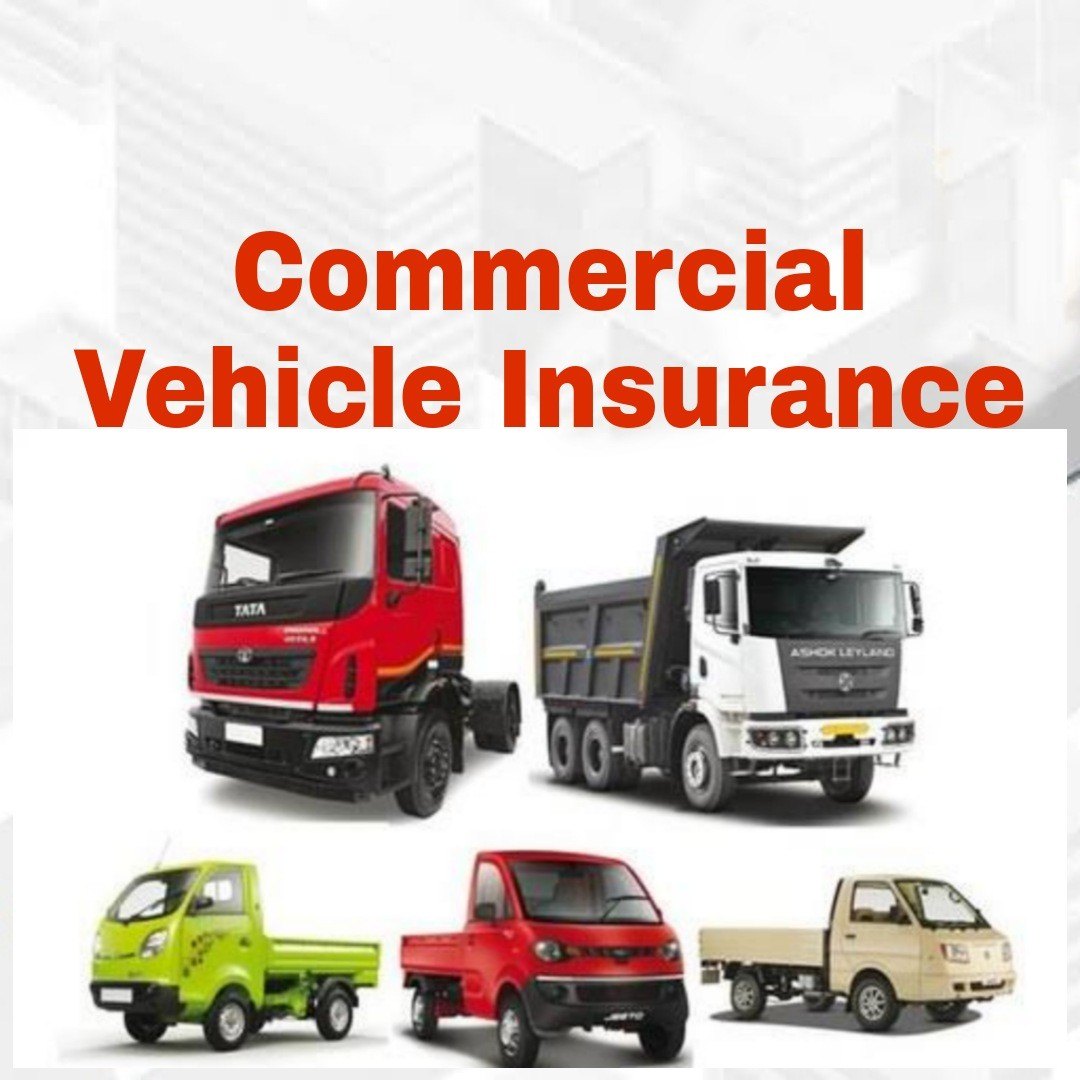
A work vehicle incident affects more than the vehicle itself. It can interrupt deliveries, delay staff, disrupt customer appointments, and create administrative work at a time when the business is already under pressure. A prepared response helps the organisation deal with safety first, capture accurate information, and decide how essential work will continue.
At the scene
The immediate priority is the safety of people involved. Drivers should follow emergency procedures, contact appropriate services when required, and avoid taking unnecessary risks at the roadside. Once the situation is stable, the business may need accurate details about the location, vehicles involved, witnesses, damage, and any official reference numbers.
Drivers should know in advance who to contact inside the business. A clear reporting process reduces the risk that important information is lost or that several managers receive different versions of the event.
Notifying the relevant parties
Policies for commercial vehicle insurance can contain specific notification requirements, conditions, and claims procedures. These differ between contracts, so the business should refer to the actual policy rather than relying on memory. The insurer, broker, fleet manager, leasing company, or repair provider may each have a role depending on how the vehicle is owned and insured.
Early notification can also help clarify what documents are needed. Businesses should keep incident reports, photographs, repair estimates, correspondence, and related invoices together in a central file.
Keeping essential work moving
The operational question is often immediate: what happens to tomorrow’s jobs? A business that relies heavily on vehicles should have a basic contingency plan. This may involve reallocating routes, using another suitable vehicle, rescheduling non-urgent work, or contacting customers whose service will be affected.
Replacement vehicle arrangements should not be assumed. Availability, eligibility, vehicle type, and cost treatment can depend on contracts and circumstances. Some policies may provide certain benefits where included, but the policy wording determines the actual position.
Managing repairs and downtime
A damaged vehicle may require inspection before repair work proceeds. The business should understand whether an approved repair process applies and who can authorise expenditure. For leased or financed vehicles, additional requirements may also exist.
Downtime can be used to review whether the vehicle is still appropriate for the work. An incident may reveal that payload, storage, route demands, driver access, or operating conditions have changed since the vehicle was first selected. That does not mean the incident was caused by the vehicle choice, but it can prompt a useful operational review.
Supporting the driver
Drivers may need more than instructions about paperwork. A serious incident can be stressful, even where injuries are not involved. Managers should make sure the driver knows the next practical steps and has a clear contact person. Any internal review should focus on reliable facts rather than immediate blame.
Where training, maintenance, or procedure issues are identified, the business can address them after the urgent response is complete. Consistent records can help distinguish an isolated event from a repeated operational pattern.
Reviewing risk after the event
A claim is only one part of the picture. The business can review route planning, driver induction, maintenance records, parking arrangements, vehicle security, and emergency contacts. It can also check whether its commercial vehicle insurance still reflects how vehicles are actually being used, who drives them, and what equipment or goods are regularly carried.
No general article can determine whether a particular incident is covered or what amount may be payable. That depends on the policy, facts, evidence, and applicable terms. The most resilient businesses treat a vehicle incident as both a safety event and a continuity problem, with clear procedures for people, information, repairs, and ongoing operations.
Understanding the wider cost
Vehicle damage is only one possible expense. Towing, storage, temporary transport, missed work, damaged equipment, and administrative time may also arise. These items are not automatically insured in the same way. The relevant commercial vehicle insurance should therefore be reviewed alongside leasing agreements, service contracts, and internal continuity plans so the business understands which costs it may need to manage directly.