Construction projects require equipment that can handle demanding workloads while supporting productivity, workplace safety, and efficient resource management. Compact machinery is particularly valuable on sites where space is limited, materials must be moved frequently, and multiple tasks need to be completed with minimal disruption. As electric construction equipment becomes more widely available, contractors are exploring alternatives to traditional diesel-powered machines.
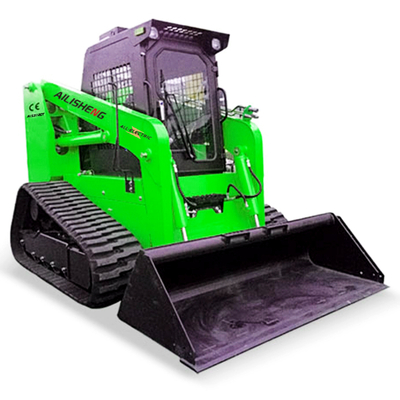
An Electric Skid Steer uses rechargeable batteries and electric motors to perform material handling, site cleanup, landscaping, and other construction activities. Like conventional skid steer loaders, it can operate with compatible attachments, but its electric power system offers distinct advantages in certain working environments. Understanding these benefits can help contractors determine whether an electric model is suitable for their projects.
1. Zero Exhaust Emissions During Operation
One of the main advantages of an electric skid steer is that it produces no exhaust emissions at the point of operation. Unlike diesel-powered equipment, it does not release engine exhaust while moving materials or operating attachments.
This characteristic makes electric models particularly useful for indoor construction, renovation projects, and enclosed facilities where controlling exhaust emissions is important. Contractors must still follow site safety requirements and account for the environmental impact of electricity generation and battery production.
2. Reduced Operating Noise
Construction sites often operate near homes, offices, hospitals, warehouses, and other noise-sensitive locations. Electric skid steers generally produce less operating noise than diesel models because they do not have a conventional internal combustion engine.
Lower noise levels can improve communication between workers and reduce disruption during certain construction activities. They may also make electric equipment more suitable for projects with restrictions on working hours or environmental noise.
Actual noise levels depend on the machine design, attachment, ground conditions, and intensity of the work.
3. Potentially Lower Operating Costs
Fuel expenses can represent a significant portion of construction equipment operating costs. Electric skid steers use electricity instead of diesel, which may reduce energy expenses when local electricity prices and machine efficiency are favorable.
However, savings depend on battery capacity, charging efficiency, workload, electricity tariffs, and annual operating hours. Contractors should calculate expected energy costs per operating hour rather than assume every electric machine will be cheaper to operate.
A complete cost comparison should also include charging infrastructure, maintenance, and eventual battery replacement.
4. Fewer Conventional Engine Maintenance Requirements
Diesel skid steers require regular engine servicing, including oil changes, fuel-filter replacements, and maintenance of other engine-related components. Electric models eliminate many of these specific requirements.
This can simplify routine maintenance and reduce certain service-related expenses. Nevertheless, electric machines still require inspections of batteries, electrical connections, hydraulic systems, tires or tracks, lifting mechanisms, and attachments.
Following the manufacturer’s maintenance schedule remains essential for dependable performance and safe operation.
5. Excellent Suitability for Indoor Construction
Indoor construction and renovation projects frequently involve restricted access, limited ventilation, and occupied buildings. Electric skid steers can be useful in these settings because they produce no exhaust emissions during operation and generally operate more quietly than diesel alternatives.
They may support material movement, debris removal, floor preparation, and other suitable tasks in large commercial or industrial buildings.
Before using one indoors, contractors should verify entrance dimensions, turning clearance, floor-loading limits, and the machine’s suitability for the working environment. Charging arrangements and all applicable safety requirements must also be addressed.
6. Versatility Through Interchangeable Attachments
A major advantage of skid steer equipment is its ability to perform different jobs using compatible attachments. Electric models can offer similar versatility when their hydraulic performance and electrical systems support the required tools.
Depending on the machine, common applications may include:
- Moving sand, gravel, soil, and other loose materials with a bucket.
- Transporting pallets and packaged supplies with pallet forks.
- Sweeping suitable surfaces with a compatible sweeper.
- Preparing planting areas or performing selected excavation tasks with approved attachments.
- Supporting site cleanup and landscaping operations.
Before selecting an attachment, contractors should confirm its compatibility, hydraulic requirements, weight, and operating limits.
7. Compact Design for Restricted Work Areas
Urban construction sites, renovation projects, and small commercial developments often have limited room for maneuvering. Skid steer loaders are designed to work in relatively confined areas, making them useful where larger equipment may be difficult to position.
An electric model with suitable dimensions can help move materials through designated work zones and operate around existing structures. However, compact size does not eliminate the need for adequate clearance, stable ground, and safe separation from workers.
Contractors should compare the machine’s overall width, height, turning characteristics, and attachment dimensions before purchasing.
8. Improved Operator Comfort in Suitable Applications
Operator comfort can influence concentration and productivity throughout a work shift. Electric skid steers generally produce less engine noise and may generate less engine-related vibration than comparable diesel machines.
These characteristics can contribute to a more comfortable operating environment, particularly during indoor work or repetitive material-handling tasks. Actual comfort depends on cab design, seating, controls, visibility, suspension characteristics, and the type of surface being traversed.
Buyers should evaluate the operator station and controls alongside the machine’s technical specifications.
9. Support for Lower-Emission Construction Strategies
Construction companies are increasingly evaluating equipment choices as part of broader environmental management strategies. Electric skid steers can help reduce direct exhaust emissions on job sites and may support projects with specific local emission requirements.
Their environmental benefits depend partly on the source of electricity and the manufacturing and disposal processes associated with batteries. Nevertheless, eliminating on-site engine exhaust can be valuable in applications where air quality is a major concern.
Contractors should review project requirements and applicable regulations before selecting equipment for emission-sensitive sites.
10. Potential Long-Term Financial Benefits
Although electric skid steers may have a higher initial purchase price in some markets, their long-term financial performance can be competitive under the right operating conditions. Lower energy expenses and fewer conventional engine-related maintenance tasks may help offset the initial investment.
The financial outcome depends on utilization, electricity prices, battery durability, charging infrastructure, repair costs, and resale value. Businesses that operate equipment frequently may benefit from a detailed ownership-cost analysis before making a decision.
A realistic comparison should examine the full operating life of the machine rather than focusing exclusively on purchase price or fuel savings.
Common Construction Applications for Electric Skid Steers
Electric skid steers can support several construction activities when their capacity and specifications match the work.
Material Handling
Buckets and pallet forks can help transport construction supplies, loose materials, and packaged goods around suitable work areas. This can reduce manual handling and support more organized site operations.
Site Cleanup
Compatible buckets and sweepers can assist with collecting debris, clearing designated surfaces, and transporting waste to appropriate disposal areas.
Landscaping and Ground Preparation
Electric skid steers can help move soil, spread aggregate, and prepare smaller work areas. The machine’s capabilities depend on terrain, attachment requirements, and available power.
Renovation Projects
In suitable indoor environments, electric models can support the movement of materials and debris without producing exhaust emissions at the point of use. Access dimensions and floor capacity must be checked before operation.
Factors to Consider Before Choosing an Electric Skid Steer
Despite their advantages, electric skid steers are not the best solution for every construction project. Contractors should evaluate the following factors before investing in one.
Battery runtime: Confirm that the machine can meet the expected operating hours and workload between charges.
Charging availability: Determine whether the site has suitable electrical infrastructure and enough time for charging.
Rated operating capacity: Check that the machine can safely handle the required loads.
Hydraulic performance: Verify that the machine can operate the attachments needed for the intended tasks.
Working conditions: Consider terrain, weather exposure, access restrictions, and the nature of the work.
After-sales support: Confirm the availability of spare parts, qualified technicians, warranty services, and battery support.
Evaluating these requirements helps ensure that the equipment provides practical value rather than creating avoidable downtime.
Conclusion
Electric skid steers offer several advantages for construction projects, including zero exhaust emissions at the point of operation, reduced operating noise, fewer conventional engine maintenance tasks, and versatile material-handling capabilities. Their compact design can also make them useful in indoor facilities, renovation projects, landscaping, and other applications with restricted access.
However, their suitability depends on battery runtime, charging infrastructure, hydraulic performance, operating capacity, and total ownership costs. By comparing these factors with actual project requirements, contractors can determine whether an electric skid steer is a practical choice for improving productivity and managing construction operations efficiently.