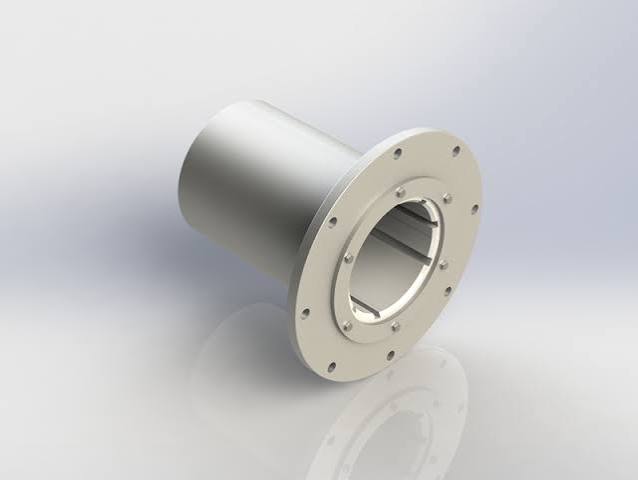
Water lubricated bearings are widely used in marine equipment, pumps, turbines, and other industrial machinery because they rely on water instead of oil to reduce friction between moving surfaces. Their performance depends on proper lubrication, suitable operating conditions, and regular inspection. Although these bearings can offer reliable service with relatively simple maintenance requirements, neglecting basic care can lead to premature wear and reduced equipment efficiency.
Following a consistent maintenance routine helps operators get the best performance from Water Lubricated Bearings while minimizing unexpected breakdowns and repair costs. Understanding the factors that affect bearing condition, from water quality to shaft alignment, is essential for extending their working life.
1. Maintain Proper Water Quality
Water quality is one of the most important factors affecting bearing durability. Water containing sand, silt, rust particles, or other abrasive contaminants can gradually wear bearing surfaces and damage the shaft. In marine and industrial environments, suspended particles may enter the lubrication system through the water supply.
Operators should monitor the water for contamination and use appropriate filtration when necessary. Regularly inspecting strainers, filters, and water intake lines can help prevent harmful particles from reaching the bearing.
2. Ensure a Consistent Water Supply
Water lubricated bearings require an adequate supply of water to create the lubricating film and help control friction and temperature. Insufficient flow can increase surface contact, cause overheating, and accelerate material wear.
Maintenance teams should check water supply lines, valves, pumps, and flow-control components regularly. Any blockage, leakage, or unexpected reduction in flow should be investigated promptly to avoid operating the bearing under unsuitable conditions.
3. Inspect Bearings for Signs of Wear
Regular visual and operational inspections help identify potential problems before they become serious. Common warning signs include unusual vibration, abnormal noise, excessive temperature, and changes in shaft movement.
During scheduled maintenance, technicians should examine accessible bearing surfaces and surrounding components for scoring, cracks, deformation, or uneven wear. Keeping inspection records also makes it easier to identify gradual changes in operating performance.
4. Check Shaft Alignment and Bearing Clearance
Incorrect shaft alignment can create uneven pressure across the bearing surface. This may lead to localized wear, vibration, and reduced operating efficiency. Similarly, excessive or insufficient clearance can interfere with the intended lubrication conditions.
Alignment should be checked during installation, after major equipment repairs, and whenever abnormal vibration or wear is detected. Technicians should also verify that bearing clearances remain within the manufacturer’s recommended limits.
5. Monitor Operating Temperature and Vibration
Temperature and vibration measurements provide useful information about bearing condition. A sudden rise in operating temperature may indicate inadequate water flow, excessive friction, or an unsuitable load. Increased vibration can point to misalignment, shaft imbalance, loose mounting components, or bearing damage.
Establishing normal operating values helps maintenance teams recognize unusual changes. Monitoring equipment should be used consistently, and significant deviations should be investigated rather than ignored.
6. Avoid Overloading the Bearing
Operating a bearing beyond its designed load capacity can increase contact pressure and accelerate material fatigue. Heavy loads may also affect the formation of the water film, particularly when shaft speed is low or operating conditions fluctuate.
Equipment operators should follow the manufacturer’s load and speed recommendations. If machinery regularly experiences changing loads, the bearing arrangement should be reviewed to confirm that it is suitable for the actual operating conditions.
7. Follow Correct Startup and Shutdown Procedures
Bearing conditions can change significantly during startup and shutdown. At low shaft speeds, a fully developed hydrodynamic water film may not yet exist, which can result in temporary surface contact. Starting machinery without an adequate water supply may increase friction and cause unnecessary wear.
Where the equipment design requires it, establish water flow before starting the shaft and maintain the supply until the machinery has stopped. Always follow the equipment manufacturer’s operating instructions, particularly for systems that experience frequent starts and stops.
8. Use Compatible Cleaning and Maintenance Methods
Cleaning helps remove deposits and contaminants that may interfere with bearing performance. However, unsuitable tools, harsh chemicals, or abrasive cleaning methods can damage bearing surfaces and affect material properties.
Use cleaning procedures recommended for the bearing material and application. During maintenance, avoid scratching precision surfaces and ensure that removed deposits do not enter the lubrication system again.
9. Check for Corrosion and Chemical Damage
Water chemistry can influence the condition of bearing materials and nearby components. High concentrations of certain dissolved substances, unsuitable pH levels, and exposure to aggressive chemicals may contribute to corrosion or material degradation.
In industrial applications, water composition should be evaluated when corrosion or unusual surface changes appear. Selecting materials compatible with the operating environment and monitoring water chemistry can help reduce long-term damage.
10. Replace Worn Components at the Right Time
Even well-maintained bearings eventually experience wear. Continuing to operate a severely damaged bearing can affect the shaft, housing, and connected machinery, potentially increasing repair costs.
Replacement decisions should be based on inspection findings, measured clearances, operating performance, and manufacturer recommendations. Keeping suitable replacement components available can also reduce equipment downtime when maintenance becomes necessary.
11. Maintain Detailed Maintenance Records
Accurate maintenance records help identify recurring problems and improve future service planning. Important information includes inspection dates, water-flow measurements, temperature readings, vibration levels, repair activities, and component replacements.
Comparing these records over time can reveal gradual performance changes that might otherwise go unnoticed. A documented maintenance schedule also helps ensure that essential checks are completed consistently.
12. Follow Manufacturer Recommendations
Different bearing designs and materials may require different maintenance procedures. Factors such as shaft speed, load, water quality, operating temperature, and installation arrangement all influence maintenance requirements.
Operators should consult technical documentation for recommended inspection intervals, permissible clearances, operating limits, and replacement procedures. Working with an experienced manufacturer can also help resolve application-specific concerns and prevent unsuitable maintenance practices.
Conclusion
Extending the service life of water lubricated bearings requires consistent attention to water quality, lubrication flow, alignment, operating conditions, and component wear. Regular inspections and timely corrective action can prevent minor issues from developing into expensive equipment failures.
A well-planned maintenance program should combine routine monitoring with manufacturer-approved procedures and accurate service records. By applying these practices and working with knowledgeable suppliers such as Techemer, equipment operators can improve bearing reliability, reduce downtime, and support more efficient long-term machinery operation.