Expanding a product range is an important part of growing a retail business. Offering more choices can help retailers attract different customer groups, respond to changing preferences, and create additional sales opportunities. However, introducing new products also requires careful planning, particularly when balancing inventory costs, product quality, and customer demand.
Drinkware is a practical category that can support this expansion. From reusable water bottles and insulated tumblers to travel mugs and everyday drinking glasses, these products serve a wide range of customers and fit into many retail environments. Working with a reliable Drinkware Wholesale supplier can give retailers access to varied product styles and bulk purchasing options, making it easier to introduce new items without sourcing each product individually.
Why Drinkware Is a Valuable Addition to Retail Product Lines
Drinkware combines everyday usefulness with broad consumer appeal. Customers purchase these products for personal use, work, travel, fitness, gifting, and household needs. This versatility makes drinkware relevant to retailers across different industries.
For example, a home goods store might focus on glassware and reusable bottles, while a lifestyle retailer could offer insulated tumblers and stylish travel mugs. By choosing products that complement their existing merchandise, retailers can broaden their selection while maintaining a consistent store identity.
Drinkware also comes in different price ranges, materials, and designs. This allows businesses to serve customers with varying budgets and preferences.
Access to a Wider Variety of Product Categories
One of the main advantages of wholesale purchasing is the opportunity to explore multiple product categories through a supplier. Instead of limiting their selection to one type of drinkware, retailers can introduce a more balanced assortment.
Some popular categories include:
- Reusable water bottles: Suitable for everyday hydration, sports, travel, and outdoor activities.
- Insulated tumblers: Designed to help maintain beverage temperatures and appeal to customers seeking convenient drinkware.
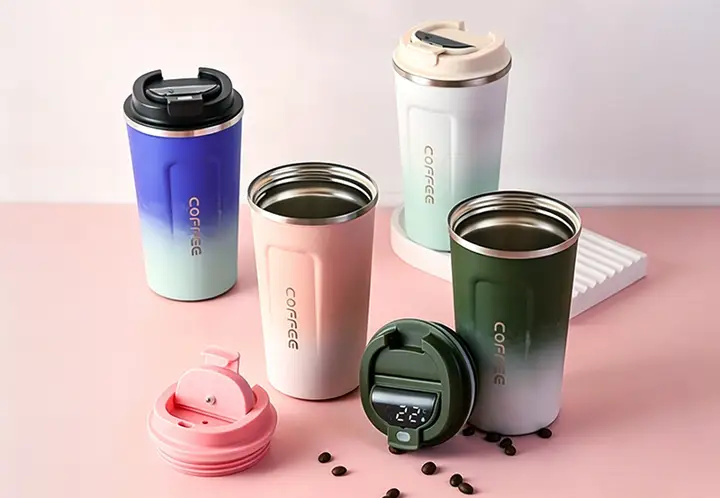
- Travel mugs: Practical options for commuters, office workers, and people who enjoy beverages on the go.
- Glass drinkware: Includes drinking glasses, glass cups, and other products commonly used at home or in hospitality settings.
- Ceramic mugs: Popular for coffee, tea, office use, and gift collections.
- Stainless steel bottles: Durable options that appeal to customers looking for reusable products.
Offering several categories helps retailers reach different audiences and reduces dependence on a narrow product selection.
Responding to Different Customer Preferences
Customer expectations vary depending on lifestyle, age, purchasing habits, and intended use. A retailer with a limited drinkware selection may miss opportunities to serve customers who are looking for specific features or designs.
Wholesale sourcing makes it easier to introduce products that address these differences. Some customers may prefer lightweight bottles for daily use, while others may prioritize insulation, durability, attractive finishes, or larger capacities.
Retailers can also experiment with different colors, shapes, materials, and sizes. Reviewing customer feedback and sales patterns helps determine which options deserve more shelf space.
A varied assortment gives shoppers more reasons to explore the category and find products that match their needs.
Supporting Seasonal and Promotional Collections
Drinkware can be adapted to seasonal campaigns, special occasions, and promotional retail displays. This flexibility gives retailers additional ways to refresh their product ranges throughout the year.
During warmer months, reusable water bottles and outdoor tumblers may attract greater attention. In colder seasons, insulated mugs and travel cups can become more relevant. Gift-oriented collections may include ceramic mugs, coordinated drinkware sets, or products with distinctive designs.
Retailers can also create themed displays around back-to-school periods, holidays, fitness activities, and corporate gifting. These collections help make the product range feel current without requiring a complete change to the store’s inventory.
Managing Costs Through Bulk Purchasing
Adding new products can increase inventory expenses, so retailers need to consider purchasing costs carefully. Wholesale buying can help businesses manage these expenses by providing access to bulk pricing and consolidated sourcing.
Ordering multiple drinkware categories from a suitable supplier may also simplify procurement. Rather than coordinating with numerous vendors, retailers can potentially source several product types through one business relationship.
However, lower unit prices should not be the only consideration. Retailers should compare minimum order quantities, shipping costs, packaging requirements, and product quality before placing an order.
A well-planned purchasing strategy helps businesses expand their selections while keeping inventory investment under control.
Choosing Products That Complement Existing Merchandise
Successful product expansion does not necessarily mean adding as many items as possible. The goal is to select products that make sense for the retailer’s customers and existing business model.
A kitchenware retailer may benefit from adding glass tumblers, ceramic mugs, and stainless steel bottles. A fitness-focused store might prioritize sports bottles and insulated hydration products. Meanwhile, a gift shop could explore decorative mugs, travel cups, and customizable drinkware.
Retailers should consider the following factors when selecting new products:
- Customer demand: Identify the styles, materials, and features customers are most likely to purchase.
- Product relevance: Choose drinkware that fits naturally alongside existing merchandise.
- Price positioning: Maintain options that suit the store’s target customer and pricing strategy.
- Storage requirements: Consider packaging dimensions, available shelf space, and warehouse capacity.
- Sales potential: Start with products that have clear uses and appeal to identifiable customer groups.
This approach makes product expansion more focused and reduces the risk of purchasing slow-moving inventory.
The Importance of Quality and Supplier Reliability
A wider product range only benefits a retailer when the products meet customer expectations. Poor-quality drinkware can lead to complaints, returns, and damage to customer confidence.
Before committing to large orders, retailers should review product specifications and request samples when possible. Important details include material quality, construction, finish, capacity, lid performance, and packaging condition.
Supplier reliability is equally important. Consistent product availability, clear communication, accurate order fulfillment, and dependable delivery schedules all contribute to smoother retail operations.
Retailers should also ask about quality inspection procedures and how damaged or defective products are handled. Establishing these expectations early can help prevent problems as purchasing volumes increase.
Testing New Products Before Expanding Further
Introducing several new products at once can make it difficult to understand what customers actually want. A more controlled approach is to test a smaller selection before committing to larger quantities.
Retailers can begin with a few drinkware categories that match their customer base. Sales data, customer questions, product reviews, and repeat purchases can then provide useful information about performance.
For example, if insulated tumblers sell consistently while decorative glassware receives limited interest, the retailer can adjust future orders accordingly. This allows inventory decisions to reflect actual demand rather than assumptions.
Regular product reviews also help businesses identify opportunities to introduce new designs, discontinue underperforming items, and improve their overall assortment.
Creating More Cross-Selling Opportunities
Adding drinkware can create useful connections with products already available in a store. Customers purchasing related items may also be interested in complementary drinkware products.
A retailer selling lunch bags could display reusable water bottles nearby. A kitchenware store might group ceramic mugs with coffee accessories, while an outdoor retailer could pair insulated bottles with travel equipment.
These product combinations make shopping more convenient and can encourage customers to consider additional purchases. Clear displays and relevant product recommendations help shoppers understand how different items work together.
Cross-selling is particularly effective when the products serve a shared purpose or suit the same customer lifestyle.
Conclusion
Wholesale drinkware offers retailers a practical way to expand their product ranges, reach new customer groups, and create additional sales opportunities. Its variety of categories, designs, materials, and uses makes it suitable for many retail business models.
The key is to expand strategically. Retailers should understand customer preferences, select complementary products, evaluate supplier reliability, and monitor sales performance before increasing order quantities. With thoughtful product selection and careful inventory management, drinkware can become a valuable addition to a growing retail assortment.