Introduction
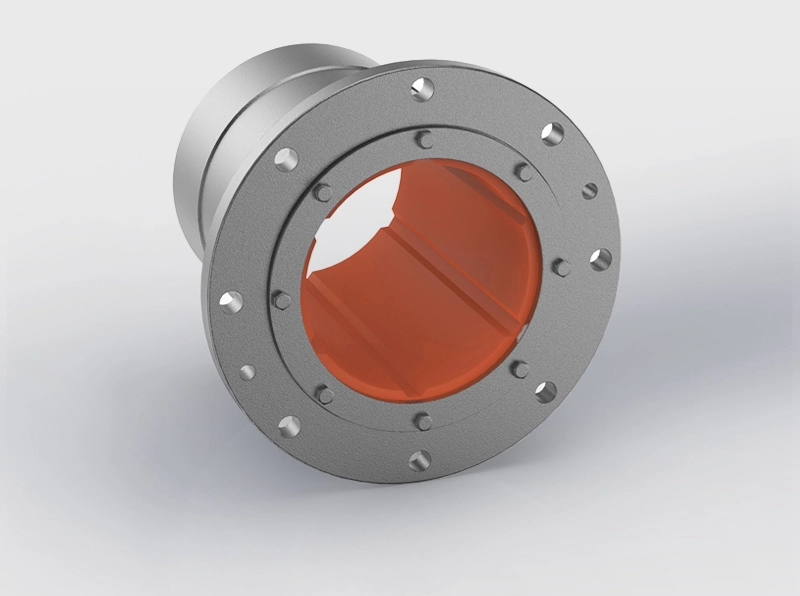
Selecting the right bearing is essential for maintaining the efficiency, reliability, and durability of industrial machinery. Bearings support rotating shafts, minimize friction, and help mechanical systems operate smoothly under different working conditions. In industries where equipment operates in wet environments, water-lubricated bearings offer an effective alternative to conventional oil- and grease-lubricated systems.
These bearings use water as their primary lubrication medium, reducing dependence on traditional lubricants while providing cooling and friction control. They are commonly used in industrial pumps, water treatment facilities, hydropower equipment, and marine machinery. However, selecting the correct design requires careful consideration of operating conditions, material properties, and equipment requirements. Understanding these factors can help businesses make informed purchasing decisions.
1. Understand Your Industrial Application
The first step in selecting a suitable water lubricated bearing is identifying its intended application. Different industrial machines operate under different mechanical and environmental conditions.
For example, water pumps require bearings that can support continuous shaft rotation and maintain reliable performance during extended operating periods. Water treatment equipment may encounter suspended particles and varying water chemistry, while hydropower systems can involve substantial mechanical loads.
Before making a selection, evaluate the equipment’s operating environment, expected workload, operating schedule, and performance requirements. This information provides a foundation for choosing an appropriate bearing design.
2. Evaluate Load-Bearing Capacity
Load capacity is one of the most important considerations when selecting an industrial bearing. Every bearing has specific limits regarding the mechanical forces it can support.
Industrial machinery may experience radial loads, axial loads, or a combination of both. Choosing a bearing with insufficient load capacity can increase surface contact, accelerate wear, and lead to premature failure.
Engineers should examine the maximum operating load, variations during machinery operation, and expected service conditions. Selecting an appropriately rated bearing helps maintain stable shaft support and reliable mechanical performance.
3. Select the Right Bearing Material
Material selection directly affects the durability and performance of water-lubricated bearings. Since these components operate in continuous contact with water, their materials must provide suitable resistance to moisture, friction, and mechanical stress.
Common materials include:
- Rubber: Offers flexibility, vibration absorption, and suitability for many marine and water-related applications.
- Polyurethane: Provides good abrasion resistance and mechanical strength in suitable operating environments.
- Engineering plastics: Materials such as UHMWPE offer low friction and resistance to moisture.
- Composite materials: Combine different properties to improve strength, dimensional stability, and wear resistance.
- Bronze: Used in selected applications where mechanical strength and appropriate corrosion resistance are required.
The best material depends on water quality, operating temperature, shaft speed, and expected mechanical loads.
4. Consider Shaft Speed and Operating Conditions
Shaft speed influences how a water-lubricated bearing performs during operation. Rotational movement helps establish the lubricating water film between the shaft and bearing surface under suitable conditions.
If the shaft operates outside the bearing’s recommended speed range, lubrication performance and wear characteristics may be affected.
Engineers should also consider operating temperature, pressure, vibration, and starting conditions. Equipment that frequently starts and stops may experience different lubrication conditions from machinery operating continuously.
Matching bearing specifications with actual operating conditions helps prevent unnecessary friction and premature deterioration.
5. Examine Water Quality and Supply
Water quality is particularly important because it directly affects bearing performance. Clean water generally creates more favorable operating conditions, while contaminated water containing sand, sediment, or abrasive particles can increase surface wear.
Industrial facilities should evaluate the chemical composition, temperature, and particle content of their water supply.
In applications involving wastewater or water containing suspended solids, suitable filtration or protective design features may be necessary. Engineers should also confirm that the system provides sufficient water circulation to maintain lubrication and cooling.
6. Check Bearing Dimensions and Compatibility
A bearing must fit the machinery correctly to provide stable operation. Incorrect dimensions or unsuitable clearances can cause excessive vibration, uneven loading, and increased friction.
Important measurements include shaft diameter, bearing length, housing dimensions, and operating clearance.
Compatibility with existing equipment is equally important. Before purchasing replacement components, review the original equipment manufacturer’s specifications and confirm that the selected bearing matches the machinery’s design requirements.
7. Consider Maintenance and Service Life
Maintenance requirements should be evaluated before selecting any industrial bearing. Although water-lubricated systems eliminate conventional oil and grease replenishment, they still require regular inspections.
Operators should monitor water flow, bearing clearance, vibration, unusual noise, and material deterioration. These checks help identify developing problems before they cause equipment downtime.
Choosing a durable bearing with appropriate material properties can reduce replacement frequency and support more predictable maintenance planning.
8. Evaluate Quality and Manufacturing Standards
Product quality is another important factor when comparing bearing options. Consistent material quality, accurate dimensions, and reliable manufacturing processes influence bearing performance.
Businesses should review technical specifications, material information, load ratings, dimensional tolerances, and quality assurance procedures before making a purchasing decision.
Working with an experienced supplier can also help ensure that the selected bearing meets the technical requirements of the intended application.
When researching industrial bearing technologies and engineering solutions, businesses can explore the technical resources available from Techemer to better understand product considerations and application requirements.
Conclusion
Choosing the right water-lubricated bearing for industrial applications requires evaluating several important factors, including load capacity, material selection, shaft speed, water quality, dimensions, and maintenance requirements.
A carefully selected bearing can reduce friction, support effective cooling, and improve the reliability of industrial machinery. By understanding equipment requirements and reviewing technical specifications, manufacturers and operators can make informed decisions that support long-term performance, operational efficiency, and dependable equipment service.