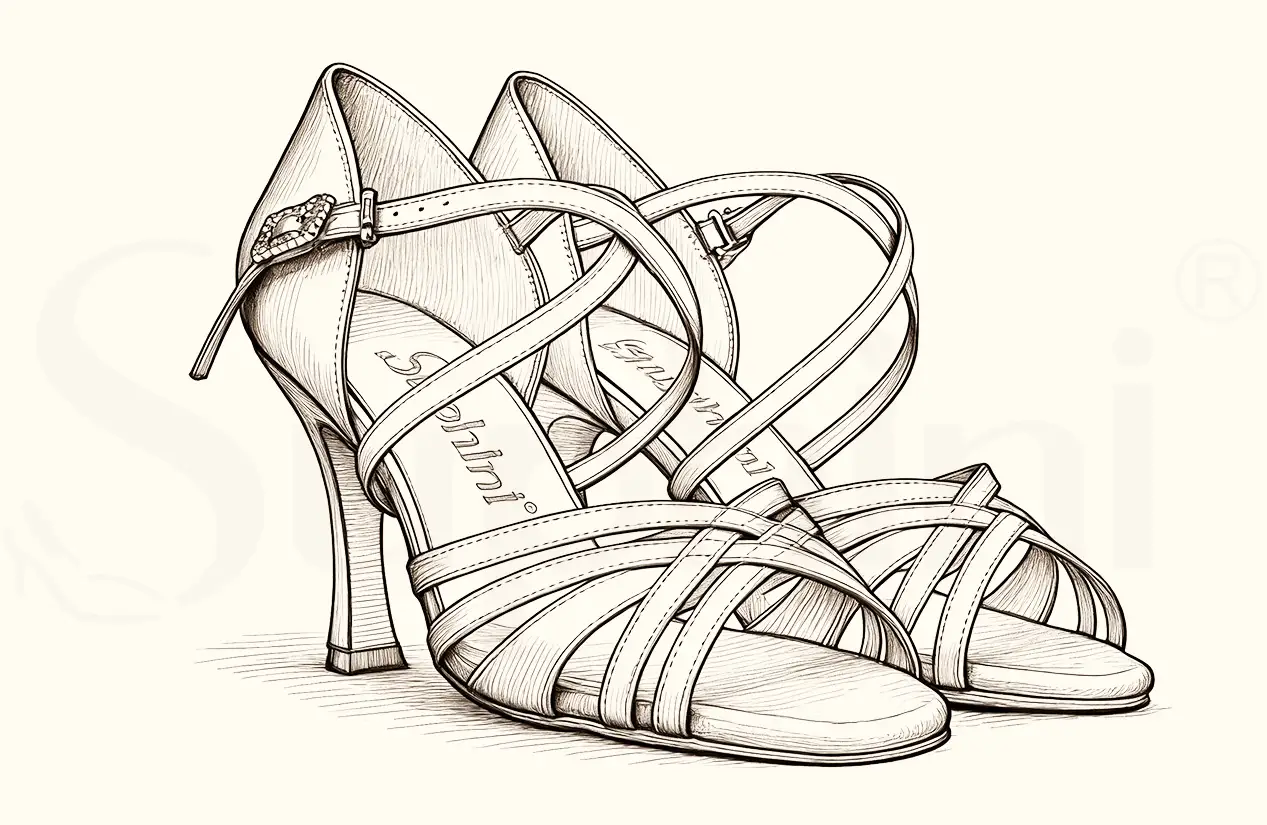
The quality of dance shoes depends not only on their design but also on the materials used during manufacturing. For professional dancers, instructors, studios, and footwear brands, selecting the right materials is essential for achieving comfort, durability, flexibility, and performance. Investing in Custom Dance Shoes allows you to choose materials that match specific dance styles, personal preferences, and performance requirements. Understanding the strengths of different materials can help you make informed decisions and create footwear that delivers both style and functionality.
Why Material Selection Matters
Dance shoes experience constant movement, pressure, and friction during rehearsals and performances. The right combination of materials ensures that the shoes remain comfortable while maintaining their structure over time.
Quality materials contribute to:
- Better flexibility.
- Improved comfort.
- Enhanced durability.
- Greater breathability.
- Professional appearance.
- Longer product lifespan.
Choosing premium materials is one of the most important steps in producing reliable dance footwear.
Leather Uppers
Leather remains one of the most popular materials for custom dance shoes because of its durability and ability to adapt to the wearer’s feet.
Benefits of leather include:
- Excellent flexibility.
- Long-lasting durability.
- Natural breathability.
- Comfortable fit over time.
- Elegant appearance.
Leather shoes often become more comfortable with regular use as the material naturally molds to the dancer’s foot shape.
Satin for Elegant Performances
Satin is widely used for ballroom and Latin dance shoes because of its luxurious finish.
Advantages of satin include:
- Sophisticated appearance.
- Lightweight construction.
- Smooth texture.
- Wide color availability.
- Ideal for competitions and stage performances.
Although satin requires more careful maintenance than leather, it remains a favorite choice for formal dance events.
Microfiber Materials
Modern microfiber has become increasingly popular in dance shoe manufacturing due to its excellent balance of performance and durability.
Key benefits include:
- Lightweight feel.
- Moisture resistance.
- Soft texture.
- Easy maintenance.
- Strong durability.
Microfiber can also provide a leather-like appearance while offering greater resistance to wear.
Breathable Interior Linings
The lining inside a dance shoe directly affects long-term comfort.
High-quality linings help:
- Improve airflow.
- Reduce heat buildup.
- Minimize moisture.
- Increase comfort.
- Reduce unpleasant odors.
Breathable materials are especially valuable for dancers who spend many hours practicing each week.
Cushioned Insoles
The insole plays an important role in protecting the feet from repeated impact.
Premium insoles often provide:
- Shock absorption.
- Arch support.
- Even pressure distribution.
- Improved comfort.
- Reduced muscle fatigue.
Well-designed cushioning helps dancers maintain energy during long rehearsals and performances.
Suede Soles
Suede remains the preferred sole material for many ballroom and Latin dancers because it provides the right balance between grip and glide.
Benefits include:
- Smooth turning ability.
- Controlled movement.
- Excellent floor contact.
- Enhanced balance.
- Consistent performance.
Proper suede soles help dancers execute spins and footwork with greater precision.
Rubber Soles for Practice
Some dancers prefer rubber soles for training sessions or casual practice.
Rubber soles offer:
- Increased traction.
- Greater durability.
- Better outdoor versatility.
- Improved stability.
- Longer wear life.
They are often chosen for practice shoes rather than competition footwear.
Durable Heel Materials
Heel construction is another important consideration when selecting materials.
High-quality heels should provide:
- Strong structural support.
- Reliable stability.
- Wear resistance.
- Balanced weight distribution.
- Long-term durability.
The right heel materials improve confidence during turns, pivots, and fast-paced routines.
Decorative Materials for Customization
Custom dance shoes often include decorative features that enhance their visual appeal.
Popular options include:
- Rhinestones.
- Metallic finishes.
- Decorative buckles.
- Embroidered details.
- Premium fabrics.
- Personalized color combinations.
These decorative materials allow dancers and brands to create footwear that reflects their unique style.
Choosing Materials Based on Dance Style
Different dance styles place different demands on footwear, making material selection especially important.
For example:
- Ballroom shoes often combine satin uppers with suede soles.
- Latin dance shoes typically emphasize flexibility and lightweight materials.
- Salsa shoes benefit from breathable linings and flexible construction.
- Practice shoes often feature leather uppers and durable rubber soles.
Selecting materials that match the intended dance style helps maximize both comfort and performance.
Balancing Quality and Cost
While premium materials may increase manufacturing costs, they often provide greater long-term value.
High-quality materials typically result in:
- Fewer product defects.
- Longer-lasting shoes.
- Better customer satisfaction.
- Lower replacement rates.
- Stronger brand reputation.
For businesses and serious dancers alike, investing in quality materials often proves more economical over time.
Conclusion
Choosing the right materials is one of the most important decisions when designing custom dance shoes. From leather and satin uppers to breathable linings, cushioned insoles, suede soles, and durable heel construction, every material contributes to the overall comfort, appearance, and performance of the finished product.
Whether you’re a professional dancer seeking reliable footwear or a brand developing a premium dance shoe collection, selecting high-quality materials ensures your custom dance shoes deliver exceptional comfort, durability, and style for every performance.