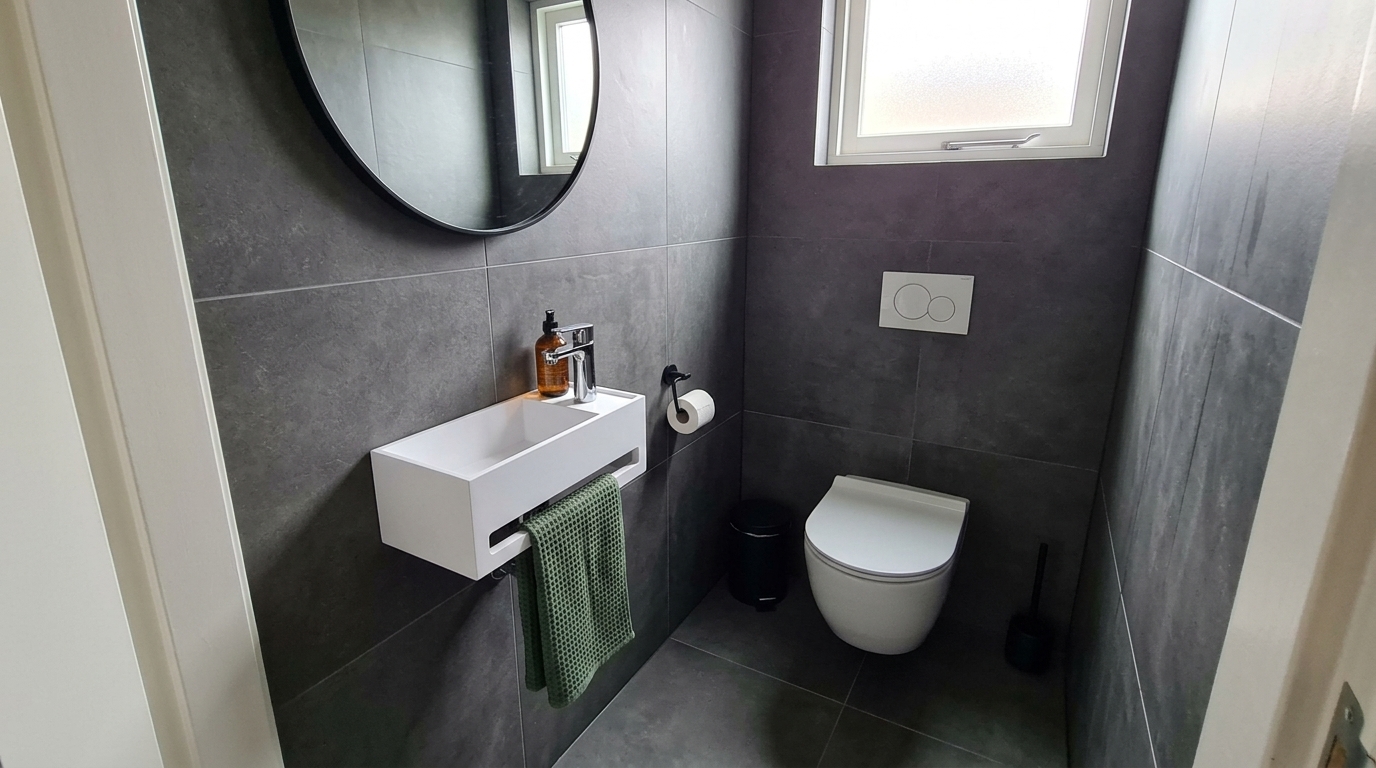
Buying a basin for a bathroom is easier when the decision is divided into three main areas: dimensions, appearance, and material. These factors are closely connected. A particular shape may suit the interior but require too much counter space, while a material may look attractive but need more care than the household expects. In a compact bathroom, the right balance is especially important because the basin must fit the layout without becoming uncomfortable to use.
When comparing a small wash basin, start with the room’s available measurements and then assess the design and construction. A useful buying process also includes checking tap compatibility, waste fittings, mounting requirements, and supplier documentation. These details help turn a visual preference into a suitable product choice.
Size: measure the whole installation area
The basin’s width and projection determine how much space it occupies. Width affects the amount of wall or countertop required, while projection influences the available walkway. In a narrow room, a shallow model may help preserve circulation space.
Measure the proposed installation area and the distance to nearby fixtures. Include the movement of doors, drawers, and shower screens. The basin’s tap and supporting vanity may add to the total footprint, so compare the complete dimensions rather than focusing only on the bowl.
Internal dimensions matter too. A basin with a very small bowl may be inconvenient for regular handwashing. Check the depth and shape to understand how much usable space it provides and whether it is likely to contain ordinary splashes.
Style: select a form that fits the interior
Basin designs range from rectangular and oval shapes to rounded bowls and more distinctive profiles. Rectangular models often complement contemporary interiors, while curved designs can soften a room with strong geometric lines.
Consider the mounting style as part of the visual choice. Wall-mounted basins can create an open appearance beneath the fixture. Countertop models may provide a decorative focal point, while vanity combinations integrate the basin with storage. Corner designs can be useful where the room has an awkward layout.
The chosen style should relate to the vanity, mirror, tapware, and wall finishes. A coordinated arrangement usually looks more intentional than a collection of unrelated fixtures.
Material: compare appearance and maintenance
Ceramic and glazed vitreous china are common bathroom materials. Their smooth surfaces are generally easy to clean, and their appearance suits a wide range of interiors. Solid-surface materials may allow alternative forms and integrated designs. Other materials can introduce texture or color but may have different care requirements.
Ask the supplier about the material’s composition, surface finish, recommended cleaning products, and repair options. Inspect the product for visible defects, including chips, uneven edges, or inconsistent glazing. A material should be chosen for its practical properties as well as its appearance.
Check tap and waste specifications
The tap-hole arrangement determines which fittings can be used. Some basins have a single tap hole, while others require a wall-mounted tap or separate fittings. The spout should reach into the bowl and direct water into its usable area.
The waste outlet and overflow arrangement must also be compatible with the selected fittings. Check the trap dimensions and the available space beneath the basin. If the product will sit on a vanity, make sure the cabinet can accommodate the plumbing without preventing drawers from opening.
Review mounting and installation needs
Wall-mounted products may require reinforcement, depending on the wall construction. Countertop models need a suitable supporting surface and a correctly prepared opening. Pedestal and vanity designs have their own fixing and clearance requirements.
Read the installation instructions before ordering. Confirm the product’s fixing points and finished height, and consult a qualified professional if pipework or wall structure needs alteration.
Evaluate the supplier and total cost
Check that the supplier provides accurate dimensions, material details, installation guidance, care instructions, and warranty information. Confirm whether taps, waste fittings, and mounting hardware are included. Delivery packaging and the process for reporting damage are also worth clarifying.
Include installation and any plumbing changes in the overall budget. The lowest product price may not represent the lowest completed project cost.
A balanced buying decision
Size determines whether the basin fits, style determines how it relates to the interior, and material influences its maintenance and long-term appearance. Reviewing these factors together helps buyers select a compact basin that is attractive, practical, and appropriate for the bathroom.