Fire suppression systems depend on carefully selected components to deliver extinguishing agents where they are needed during an emergency. Pumps, valves, nozzles, storage equipment, and connecting lines must work together to provide dependable performance. Among these components, hoses play an important role by transporting water, foam solutions, or other approved agents through the system. Their material quality, pressure resistance, and compatibility with connected equipment can directly influence operational reliability.
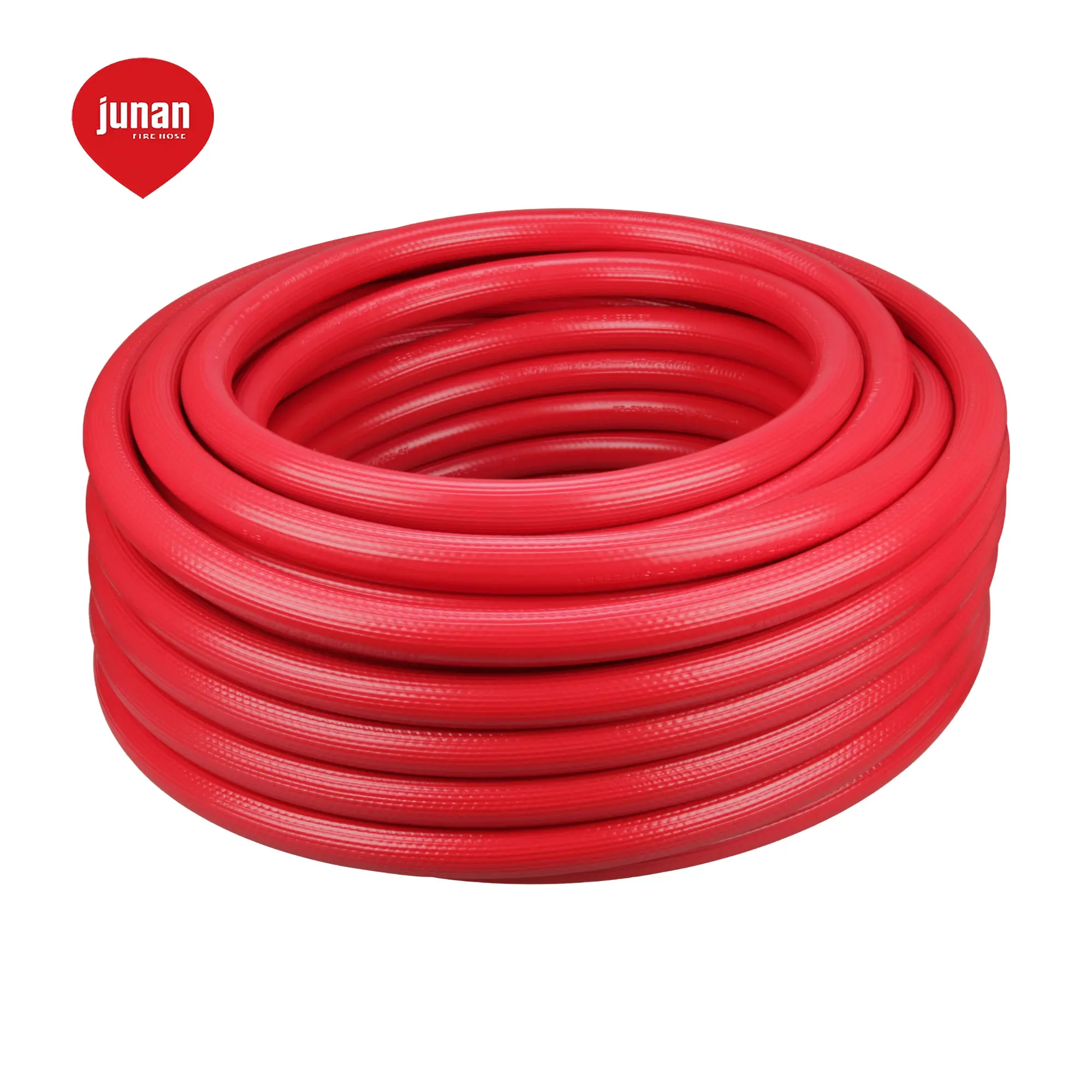
A Fire Suppression Hose is a flexible conduit designed to carry an extinguishing agent from a supply source to a discharge point within a fire protection arrangement. Depending on its application, it may be used in portable firefighting equipment, hose reel installations, industrial suppression systems, or specialized emergency response setups. Selecting the correct hose requires consideration of the fluid being transferred, operating pressure, temperature, connection type, and environmental conditions.
Understanding Fire Suppression Hose Construction
A suppression hose is generally manufactured using multiple materials or structural layers to provide flexibility, strength, and protection against wear. The exact construction varies according to its intended application and performance requirements.
1. Inner Tube or Lining
The inner lining provides a pathway for the extinguishing agent. It may be manufactured from synthetic rubber, thermoplastic compounds, or other compatible materials. A suitable lining should resist deterioration caused by prolonged contact with the fluid, temperature changes, and normal operating pressure.
2. Reinforcement Layer
The reinforcement provides structural strength and helps the hose withstand internal pressure. Depending on the design, manufacturers may use woven synthetic fibers, textile reinforcement, or other strengthening materials. The reinforcement arrangement influences flexibility, dimensional stability, and pressure performance.
3. Outer Protective Cover
The outer layer protects the hose from external damage. It may provide resistance to abrasion, moisture, sunlight, oils, or selected chemicals. The required level of protection depends on whether the hose is installed indoors, outdoors, or in demanding industrial environments.
Common Materials Used in Suppression Hoses
Material selection is one of the most important factors affecting hose performance and service life.
Synthetic Rubber: Rubber-based hoses are commonly used where flexibility, durability, and resistance to repeated handling are important. Different rubber compounds offer different levels of resistance to heat, weathering, and chemicals.
PVC and Thermoplastic Materials: These materials can provide lightweight construction and useful flexibility. Their suitability depends on pressure, temperature, and chemical compatibility requirements.
EPDM Rubber: EPDM is valued for its resistance to weathering, ozone, and many environmental conditions. It is used in selected hose applications where these properties are beneficial, although compatibility with the intended agent must always be confirmed.
Reinforced Textile Materials: Synthetic fibers provide strength while allowing hoses to remain flexible enough for deployment and storage. Their construction can help balance handling convenience with pressure resistance.
No material is suitable for every suppression system. Manufacturer specifications should be reviewed before a hose is selected or substituted.
System Compatibility and Connection Requirements
A hose must work correctly with the other components in the fire suppression system. Even a durable hose may create operational problems if its dimensions, pressure rating, or connections do not match the installation.
Important compatibility considerations include:
- Diameter: The internal diameter should match the system’s flow requirements and connected equipment.
- Pressure rating: The hose must be suitable for the system’s normal operating pressure and specified test conditions.
- Couplings and fittings: Thread types, coupling standards, seals, and connection dimensions must be compatible.
- Fluid compatibility: The lining and other wetted components must be suitable for the extinguishing agent.
- Temperature range: Materials must tolerate the expected operating and environmental temperatures.
- Installation layout: Hose length and flexibility should support proper routing without sharp bends, twisting, or unnecessary strain.
Correct compatibility reduces the likelihood of leakage, restricted flow, connection failure, and premature wear.
Factors That Influence Hose Reliability
Several operating conditions determine how consistently a suppression hose performs throughout its service life.
Pressure and Flow Conditions
Internal pressure and required flow rate influence the structural demands placed on the hose. A hose should never be operated beyond its specified limits. Excessive pressure can cause deformation, leakage, or failure.
Environmental Exposure
Outdoor installations may experience sunlight, rain, temperature fluctuations, and airborne contaminants. Industrial locations may introduce oils, chemicals, heat, and mechanical abrasion. Selecting a suitable protective cover helps reduce environmental deterioration.
Flexibility and Handling
Hoses may need to move around equipment, corners, and obstacles during emergency operations. Adequate flexibility supports easier deployment, but excessive bending or twisting can restrict flow and damage the structure.
Manufacturing Quality
Consistent material composition, reinforcement, assembly, and quality testing contribute to dependable performance. Buyers should consider documented specifications and relevant product standards rather than relying on appearance alone.
Inspection and Maintenance Practices
Routine inspection helps identify damage before it affects system performance. Hoses should be checked for cracks, cuts, bulges, abrasion, leakage, exposed reinforcement, and deterioration around fittings. Couplings and seals should also be examined for corrosion, deformation, or looseness.
After use, hoses should be cleaned and dried according to manufacturer instructions. They should be stored in a suitable location away from excessive heat, direct sunlight, sharp objects, and incompatible chemicals. Storage arrangements should prevent unnecessary compression and permanent deformation.
Pressure testing and scheduled servicing should follow applicable standards, manufacturer guidance, and the maintenance plan for the installed system. Any hose showing significant damage or failing inspection should be removed from service until assessed by qualified personnel.
Selecting the Right Hose for a Suppression System
The selection process should begin with an assessment of the system’s design and intended application. Identify the extinguishing agent, required flow, operating pressure, temperature range, installation environment, and connection specifications. Confirm that the selected product meets the relevant technical and regulatory requirements.
It is also important to consider service support, replacement availability, inspection procedures, and expected maintenance costs. A hose that meets the system’s requirements and can be maintained properly is generally a more dependable long-term choice.
Conclusion
Fire suppression hoses are essential links in systems designed to deliver extinguishing agents during emergencies. Their reliability depends on suitable materials, correct pressure ratings, compatible connections, and appropriate handling. Through careful selection, regular inspection, and maintenance in accordance with manufacturer guidance, organizations can help preserve system performance and strengthen their overall fire protection arrangements.