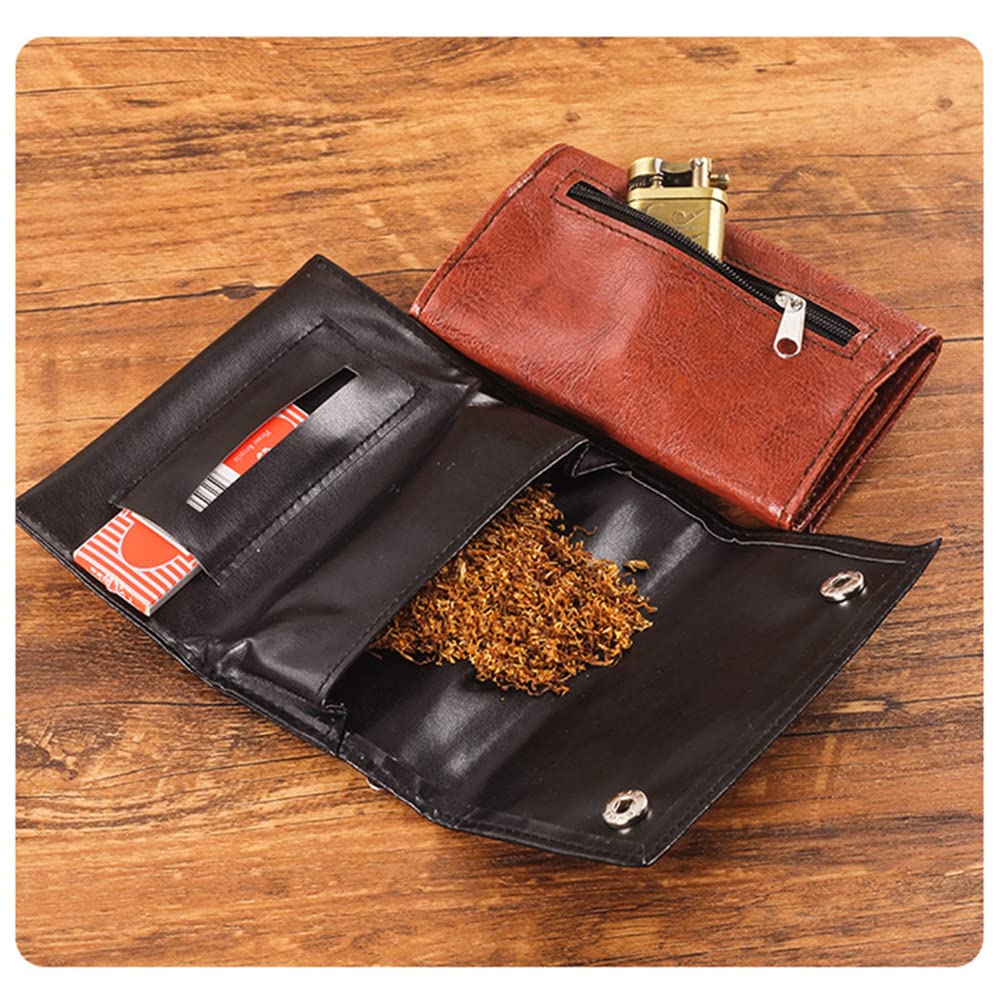
Proper storage can help maintain the original characteristics of tobacco after purchase. This is particularly important with pouch packaging, where the product may be exposed to air each time the package is opened. Temperature, humidity, light, and handling habits can all influence its condition over time.
For buyers researching tutun la punga, understanding storage conditions is an important part of choosing and managing the product. While packaging provides a protective barrier, its effectiveness also depends on how the pouch is stored and resealed after use.
What Affects Tobacco Shelf Life?
There is no single shelf-life period that applies equally to every tobacco product. Its condition can depend on the tobacco type, moisture content, packaging quality, storage environment, and how often the pouch is opened.
Instead of relying only on a fixed timeframe, it is useful to monitor the tobacco’s appearance, texture, and aroma. Product-specific instructions should also be considered whenever they are available.
The Importance of Temperature
Temperature can influence the conditions inside a tobacco pouch. Excessive heat may contribute to changes in moisture and can make maintaining the product’s original condition more difficult.
Store the pouch in a relatively cool and stable indoor location. Avoid placing it near radiators, ovens, heating equipment, or other sources of direct heat.
Avoid Temperature Fluctuations
Large changes between hot and cold environments can affect storage conditions. Moving a pouch repeatedly between locations with very different temperatures may make consistent storage more difficult.
A dedicated cupboard, drawer, or similar stable location can be a practical choice for everyday storage.
Managing Humidity
Humidity is one of the most important considerations when storing tobacco. Excessive dryness can cause the tobacco to become brittle, while excessive moisture may produce an unusually damp texture.
The appropriate moisture condition depends on the specific product. Buyers should follow any manufacturer recommendations rather than applying one universal standard.
Air Exposure After Opening
An unopened pouch generally provides better protection than one that has been opened repeatedly. Every opening allows surrounding air to come into contact with the tobacco.
To reduce unnecessary exposure, remove only the amount required and reseal the package promptly. Avoid leaving the pouch open while the tobacco is not being handled.
Maintaining a Secure Seal
A resealable pouch is only effective when its closure is used properly. Check that the opening is completely closed after each use and inspect the package periodically for damage.
If the original pouch becomes torn or can no longer close securely, an appropriate airtight secondary container may help protect the remaining tobacco.
Protecting Tobacco From Light
Direct sunlight can expose tobacco packaging to unnecessary heat and light. Over time, this may contribute to changes in the product and its storage environment.
Keep the pouch in a shaded location, preferably away from windows that receive strong sunlight. A dark storage area can provide more consistent conditions.
Keep Tobacco Away From Strong Odors
Tobacco can absorb smells from nearby materials, particularly when it remains stored for an extended period. Strong odors can therefore affect its aroma.
Keep the pouch away from perfumes, cleaning products, strongly scented foods, and other odor-producing substances. A clean, neutral storage environment is preferable.
How Long Can an Opened Pouch Remain Stored?
The answer depends on several factors rather than a universal number of days or months. Tobacco type, packaging, moisture, storage temperature, and frequency of opening can all influence how its condition changes.
For this reason, regular inspection is more useful than relying solely on a predetermined storage period. If the product has specific guidance from its manufacturer, that information should take priority.
Signs That Tobacco Has Changed
Checking the tobacco periodically can help identify changes in condition. Look at the texture and appearance and pay attention to any unusual aroma.
Potential warning signs include:
- Excessive dryness or brittleness.
- Unexpected dampness.
- Unusual or persistent odors.
- Significant discoloration.
- Visible mold or other contamination.
Tobacco showing visible mold or signs of contamination should not be used.
Choosing the Right Pouch Size
Package size can affect storage practicality. A smaller pouch may be easier to manage for occasional users because the contents can potentially be used within a shorter period after opening.
Larger pouches can be convenient for regular users but may require more careful storage if they remain open for a long time. Choosing a quantity that matches actual usage can make freshness easier to manage.
Can a Secondary Container Help?
When a pouch no longer provides a reliable seal, placing it inside a suitable airtight container may provide an additional barrier against environmental exposure.
The secondary container should be clean, dry, and appropriate for storage. It should also have a secure closure and should not introduce strong odors to the tobacco.
Common Storage Mistakes
Poor storage habits can reduce the effectiveness of otherwise suitable packaging. Common mistakes include leaving the pouch open, storing it in direct sunlight, or placing it close to a heat source.
Another potential problem is exposing tobacco to uncontrolled moisture. Any attempt to alter its moisture condition should take the specific product and available storage guidance into account.
A Practical Storage Routine
A simple routine can help maintain more consistent conditions:
- Open the pouch only when necessary.
- Remove the amount required for use.
- Reseal the package immediately.
- Store it in a cool, shaded indoor location.
- Keep it away from strong odors and excessive humidity.
- Inspect the tobacco periodically.
These habits can reduce unnecessary exposure to environmental factors.
Conclusion
The storage life of tobacco in a pouch depends on more than the package itself. Temperature, humidity, air exposure, sunlight, storage duration, and handling frequency can all influence its condition.
A secure closure and suitable storage environment can help maintain more consistent conditions after opening. By choosing an appropriate pouch size, limiting exposure, and monitoring the tobacco over time, buyers can manage storage more effectively and help preserve its original texture and aroma.