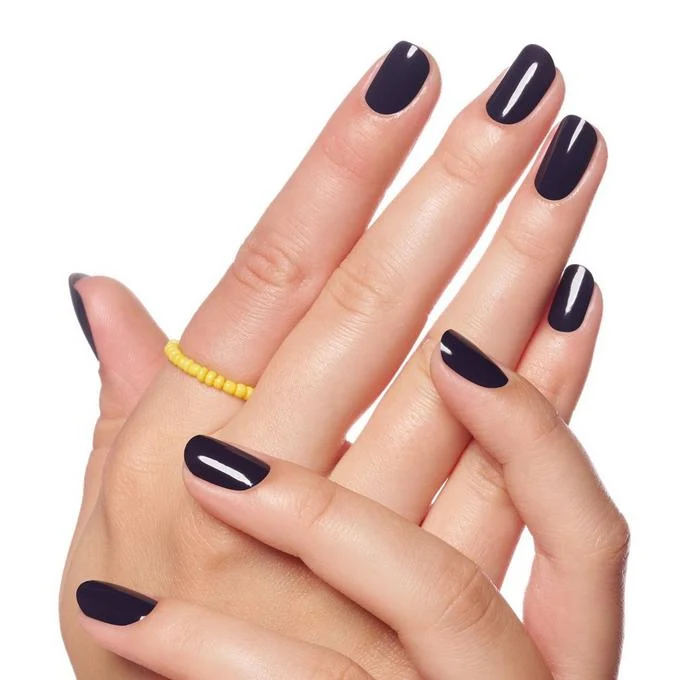
Launching a private label nail polish brand can be an exciting opportunity for beauty entrepreneurs, salon owners, and retail businesses. Instead of selling products under an existing manufacturer’s brand, private labeling allows businesses to develop their own identity through customized packaging, product selections, and branding elements. However, building a successful product line requires finding a supplier with the right manufacturing capabilities and business support.
When researching Gel Nail Polish Suppliers, businesses interested in private labeling should look beyond standard wholesale services. The ideal partner should understand customization requirements, maintain consistent product quality, provide clear production information, and support the brand’s long-term goals.
1. Understand What Private Label Gel Nail Polish Means
Private labeling involves selling products manufactured or supplied by another company under your own brand name. Depending on the supplier’s services, you may be able to customize labels, packaging, bottle designs, and certain product specifications.
This approach allows businesses to enter the nail care market without establishing their own manufacturing facilities.
Private label services can be suitable for:
- Beauty entrepreneurs launching a new brand.
- Nail salons creating exclusive product collections.
- Beauty retailers developing their own product lines.
- Distributors seeking a differentiated market offering.
Before contacting suppliers, decide which customization features are essential for your business.
2. Search for Suppliers with Private Label Experience
Not every wholesale supplier offers private label services. Some companies focus exclusively on distributing existing products, while others provide manufacturing, OEM, or customized branding solutions.
Look for suppliers that clearly describe their private label capabilities and have experience handling customized orders.
Review their product catalogs, company information, and available examples of previous packaging or branding projects.
It is also useful to ask how long they have provided customization services and what types of businesses they typically work with.
3. Evaluate Product Quality Before Discussing Branding
Attractive packaging cannot compensate for poor product performance. Before investing in a private label collection, make sure the supplier can provide gel nail polish that meets your quality expectations.
Request samples and evaluate several shades under normal application conditions.
Pay attention to:
- Color pigmentation and consistency.
- Texture and application performance.
- Brush design and bottle usability.
- Curing requirements.
- Final appearance and finish.
- Consistency between different samples.
Ask about quality-control procedures and how the supplier monitors production batches. Testing products early can help prevent costly problems after your brand enters the market.
4. Ask About Formula Customization Options
Some private label suppliers offer standard formulas with customized branding, while others may provide additional formulation options.
If you have specific product requirements, ask what can realistically be customized.
For example, you may want to develop a collection with particular colors, finishes, or application characteristics. Find out whether the supplier can accommodate these requests or whether you must select from existing formulas.
Also ask about sample development, approval procedures, production costs, and any limitations on customization.
Do not assume that every supplier can create a completely new formula. Confirm the available services before making business plans.
5. Review Packaging and Branding Capabilities
Packaging is an important part of creating a recognizable beauty brand. Customers often notice bottle design, label quality, color presentation, and overall product appearance before making a purchase.
Ask whether the supplier offers:
- Custom logo printing.
- Private label product stickers.
- Customized bottle designs.
- Different cap and brush options.
- Branded boxes and outer packaging.
- Custom color labels or collection names.
Request packaging samples or design examples where available. Check whether the materials are suitable for protecting the products during storage and transportation.
6. Understand Minimum Order Quantities
Private label production often involves higher minimum order quantities than standard wholesale purchasing.
Suppliers may require a minimum number of bottles per shade, collection, or packaging design. These requirements can affect your initial investment and inventory planning.
Before proceeding, ask:
- What is the minimum quantity for a private label order?
- Can multiple shades be combined within one production run?
- Are smaller sample or pilot orders available?
- Do different packaging options affect the MOQ?
- Are repeat orders subject to the same requirements?
Choose an arrangement that matches your budget and expected sales volume. Ordering too much stock before understanding customer demand can create unnecessary financial pressure.
7. Compare Private Label Pricing and Additional Costs
Private label pricing involves more than the cost of the gel nail polish itself.
Depending on the supplier, additional expenses may include label design, custom printing, packaging materials, sample development, and production setup.
Request a detailed quotation that separates these costs.
You should also consider shipping, customs charges, taxes, and other expenses associated with importing products.
Comparing the complete cost helps you establish realistic retail prices and estimate potential profit margins.
8. Check Product Safety and Regulatory Documentation
Safety and compliance requirements should be considered before developing any private label beauty product.
Ask whether the supplier can provide ingredient lists, relevant safety documentation, product specifications, and labeling information.
Requirements differ between markets, so confirm which regulations apply in the countries where you plan to distribute your products.
Also clarify who is responsible for preparing labels, maintaining product documentation, and ensuring that customized packaging contains the required information.
These details are particularly important when selling under your own brand name.
9. Confirm Manufacturing Capacity and Production Timelines
A supplier may be suitable for a small initial order but struggle to meet demand if your brand becomes successful.
Ask about production capacity, manufacturing schedules, and the time required to complete customized orders.
Find out whether production timelines include sample approval, packaging preparation, manufacturing, inspection, and shipment.
It is also useful to understand how the supplier handles urgent replenishment requests and unexpected increases in order quantities.
Reliable production planning helps prevent stock shortages and makes business expansion easier.
10. Examine the Supplier’s Quality Control Process
Quality control becomes especially important when products carry your brand name. Customers will associate the product’s performance with your business, even if another company manufactures it.
Ask how the supplier checks raw materials, production batches, finished products, and packaging.
You should also clarify how defective items are handled and whether the supplier provides replacement arrangements for confirmed quality problems.
If possible, establish written quality expectations before approving full-scale production.
Keeping approved samples and product specifications can also make it easier to compare future orders.
11. Discuss Intellectual Property and Branding Ownership
Private label agreements should clearly explain who owns the brand name, logo, packaging artwork, and any custom designs created during the project.
If you are developing exclusive product specifications, ask whether the supplier can manufacture similar products for other customers.
Review any confidentiality or exclusivity arrangements carefully and make sure important terms are documented in writing.
For a new brand, protecting its identity and avoiding misunderstandings about ownership can be important for long-term development.
12. Evaluate Communication and Customer Support
Private label projects involve more coordination than standard wholesale orders. Buyers may need to discuss product samples, label revisions, packaging approvals, production schedules, and shipping arrangements.
Choose a supplier that communicates clearly and responds to questions within a reasonable time.
A professional contact should explain technical requirements, identify potential production limitations, and provide updates when timelines change.
Good communication can reduce mistakes and make the customization process more manageable.
13. Start with Samples or a Small Production Run
Before investing in a large private label collection, request samples or explore whether the supplier offers a smaller pilot production run.
This allows you to review the formula, packaging, label appearance, and overall product presentation.
Share samples with a suitable test group or evaluate them within your salon environment, following the manufacturer’s instructions.
Use the results to make adjustments before approving larger production quantities.
A controlled launch can help you understand customer demand without committing too much money to untested products.
14. Consider Long-Term Partnership Potential
A successful private label project may lead to repeat orders, additional collections, and expanded product categories.
Look for suppliers that can support these future requirements rather than focusing only on the first production run.
Discuss how the company manages repeat orders, maintains product consistency, and handles changes to packaging or product specifications.
It is also sensible to maintain alternative supplier contacts in case production capacity or delivery conditions change.
15. Create a Clear Private Label Agreement
Before production begins, document the important terms of the partnership.
A written agreement or detailed purchase contract should address:
- Product specifications and approved samples.
- Branding and packaging requirements.
- Minimum production quantities.
- Pricing and payment schedules.
- Production and delivery timelines.
- Quality inspection procedures.
- Defective product and replacement policies.
- Ownership of logos and custom designs.
Having these details in writing helps both parties understand their responsibilities and reduces the possibility of disagreements.
Conclusion
Finding gel nail polish suppliers that offer private label solutions requires careful research and a clear understanding of your brand’s needs. Product quality, customization capabilities, minimum order quantities, pricing, safety documentation, and manufacturing capacity should all be evaluated before choosing a partner.
Starting with samples, reviewing packaging options, and documenting production requirements can help reduce risks during the development process. With the right supplier and a well-planned approach, beauty entrepreneurs and retailers can create distinctive gel nail polish collections and build a brand with room for long-term growth.