Outdoor advertising gives businesses an opportunity to connect with people in public spaces, attract attention to promotions, and make their locations easier to recognize. From retail storefronts and sporting events to exhibitions and community festivals, portable displays can help brands communicate with audiences without requiring permanent signage. Among the available options, flag-style displays are valued for their visibility and convenient setup.
A Wind Flag combines a printed fabric graphic with a supporting pole and base to create a recognizable promotional display. Its fabric can move with the breeze, adding visual interest to outdoor spaces while presenting a business name, logo, or advertising message. Lightweight construction and different size options also make this format practical for many temporary marketing activities.
What Makes Wind Flags Suitable for Outdoor Advertising?
Wind flags are designed to display promotional graphics in a vertical format. Their structure generally includes a flexible or segmented pole, a shaped fabric flag, and a base selected for the installation surface.
Unlike some traditional signs, these displays can be assembled, moved, and stored when needed. This makes them useful for businesses that participate in different events or frequently update their promotional locations.
Their popularity comes from several practical features:
- Visible presentation: The elevated graphic can help a brand stand out in open spaces.
- Portable construction: Many models can be disassembled for transportation.
- Customizable designs: Businesses can print logos, product images, and promotional messages.
- Multiple display options: Different shapes, heights, and bases suit different applications.
- Temporary installation: They can be used for campaigns without requiring permanent structures.
How Wind Flags Attract Attention
A promotional display needs to be noticeable while communicating its message clearly. Wind flags combine several visual features that can support this objective.
Movement Creates Visual Interest
When outdoor air moves the fabric, the flag creates a changing visual effect. This movement may attract attention more effectively than a completely stationary display, particularly in locations with several competing signs.
The amount of movement depends on the fabric, pole design, and weather conditions. Businesses should always follow the manufacturer’s guidance regarding suitable wind speeds and safe use.
Elevated Graphics Improve Visibility
Wind flags are usually taller than many small tabletop signs and promotional boards. Their height can make a business or event area easier to identify from a distance.
Choosing the right height is important. A flag should be noticeable without interfering with nearby structures, overhead restrictions, or pedestrian movement.
Custom Printing Reinforces Brand Identity
A printed flag can communicate a business’s visual identity through its logo, colors, and promotional artwork. Using consistent graphics across multiple displays can help create a coordinated appearance at larger events or across several locations.
Popular Uses of Wind Flags
The flexibility of wind flag displays makes them suitable for a variety of commercial and event environments.
Retail Storefronts
Retailers can position wind flags near approved areas outside their stores to advertise seasonal sales, new products, and special offers. Their height may help passing customers identify a shop more easily.
The display should be placed without blocking entrances, accessible routes, or visibility for pedestrians and drivers.
Trade Shows and Exhibitions
Exhibitors often need to make their booths recognizable in busy venues. Wind flags can identify display areas, highlight sponsor branding, or introduce a particular product category.
Portable construction is especially helpful when equipment must be transported between exhibition locations.
Sporting Events
Sports organizers, sponsors, and vendors can use wind flags to identify registration points, merchandise areas, refreshment stations, and event entrances.
Consistent flag designs can also help establish a recognizable visual identity throughout a competition or tournament.
Festivals and Outdoor Markets
Markets and festivals often bring many vendors together in a shared space. A well-positioned flag can help a stall stand out and communicate the products or services being offered.
Compact bases may suit some locations, while larger open areas may allow taller displays, subject to venue requirements.
Restaurants and Hospitality Businesses
Restaurants, cafes, and hotels can use wind flags to announce special menus, seasonal promotions, and events. A clear headline near an appropriate entrance can give potential customers a quick understanding of the current offer.
Choosing the Right Wind Flag for Your Needs
Selecting a suitable display requires attention to the environment, graphic dimensions, and expected frequency of use.
Consider the Flag Shape
Wind flags are available in several shapes, each offering a different appearance and graphic area.
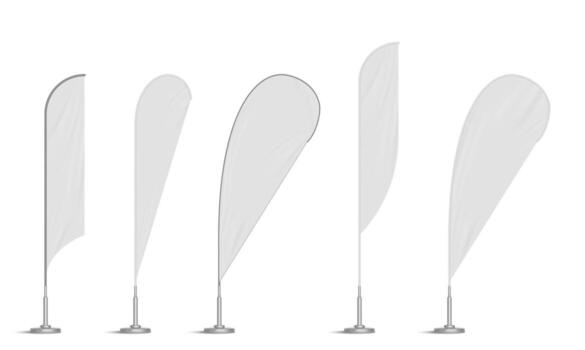
- Feather flags: Their curved upper edges create an elongated space for vertical branding.
- Teardrop flags: Their rounded tops and tapered lower sections provide a distinctive outline.
- Rectangular flags: Their more conventional shape can accommodate straightforward promotional layouts.
The best shape depends on the message, available space, and preferred visual style.
Select an Appropriate Height
A flag should be tall enough to remain visible from the intended viewing distance. Larger outdoor venues may benefit from taller displays, while small storefronts or indoor exhibitions may require more compact models.
Before purchasing, check the total assembled height and confirm that it suits the installation area.
Review Fabric and Printing Quality
Outdoor displays may experience sunlight, dust, moisture, and repeated movement. Choose fabric appropriate for the expected conditions and review its printing characteristics.
Check whether the material supports clear color reproduction and whether replacement graphics are available. Following cleaning and storage instructions can also help preserve the printed design.
Check Pole Construction
The pole should be compatible with the flag’s size and shape. Flexible sections can allow movement, while well-designed connectors help keep the assembly secure.
Inspect the joints and individual sections, especially if the display will be assembled and dismantled frequently.
Choose a Suitable Base
The base must match both the installation surface and the display’s requirements. Common options include:
- Ground spikes: Suitable for compatible soil or grass surfaces.
- Cross bases: Often used on appropriate flat surfaces.
- Water-fill bases: Provide added weight when filled and are designed for compatible installations.
- Weighted bases: Offer support where a heavier foundation is appropriate.
No base makes a flag suitable for every weather condition. Consider wind exposure and remove the display when conditions exceed the manufacturer’s recommended limits.
Designing Wind Flags for Better Advertising Results
A well-constructed display can only communicate effectively when its graphics are easy to understand. Outdoor audiences may see a flag briefly while walking or driving past, so the design should prioritize clarity.
Use a Focused Message
Choose one main promotional idea rather than trying to include every business detail. A short headline, brand name, or product category is usually easier to recognize quickly.
Make Text Readable
Use simple fonts and sufficient contrast between the text and background. Important words should be large enough to remain visible from the expected viewing distance.
Use Recognizable Brand Elements
Include the company logo and established brand colors where appropriate. Consistency across flags, banners, storefront signage, and other marketing materials helps reinforce recognition.
Prepare High-Quality Artwork
Use high-resolution images and follow the printer’s requirements for file dimensions and layout. Keep important design elements within the recommended printing area, allowing for seams and curved edges.
Why Portability Matters
Portable advertising equipment is valuable for businesses that promote products in different locations. A lightweight wind flag system can be transported between stores, exhibitions, and outdoor events, reducing the need to purchase separate permanent signage for every campaign.
Detachable poles and carrying cases can make transportation and storage easier. Some systems also allow the printed fabric to be replaced while retaining compatible support components.
Before selecting a model, consider how frequently it will be moved, how much storage space is available, and whether the assembly process suits the people responsible for installation.
Common Mistakes to Avoid
Businesses can improve the effectiveness and reliability of their displays by avoiding several common problems:
- Selecting a flag that is too small for the intended viewing distance.
- Using crowded graphics with excessive text.
- Choosing a base that does not suit the ground surface.
- Ignoring weather exposure and wind limitations.
- Placing displays where they obstruct pedestrian access.
- Using low-resolution artwork or unclear product images.
- Failing to inspect poles and connectors before installation.
- Leaving promotional graphics in place after a campaign ends.
A brief review before each use can help ensure that the display remains suitable for its intended purpose.
Maintaining Wind Flags for Long-Term Use
Regular care can help extend the useful life of a wind flag system. Inspect the fabric for fraying, fading, or tears and check the pole sections and connectors for damage.
Clean the fabric according to the manufacturer’s recommendations and let it dry fully before storage. Disassemble the structure carefully and keep all components together in a protective carrying case or dry storage area.
If a display is exposed to harsh weather, examine it before using it again. Replace worn components rather than continuing to use equipment that may no longer provide reliable support.
Conclusion
Wind flags remain a popular choice for portable outdoor advertising because they combine visible graphics, customizable designs, and convenient transportation. Their movement and elevated presentation can help businesses attract attention at storefronts, exhibitions, sporting events, and community gatherings.
Choosing the right shape, height, fabric, pole, and base is essential for a successful display. With clear artwork, suitable placement, and regular maintenance, wind flags can support consistent promotional communication across a wide range of outdoor marketing activities.