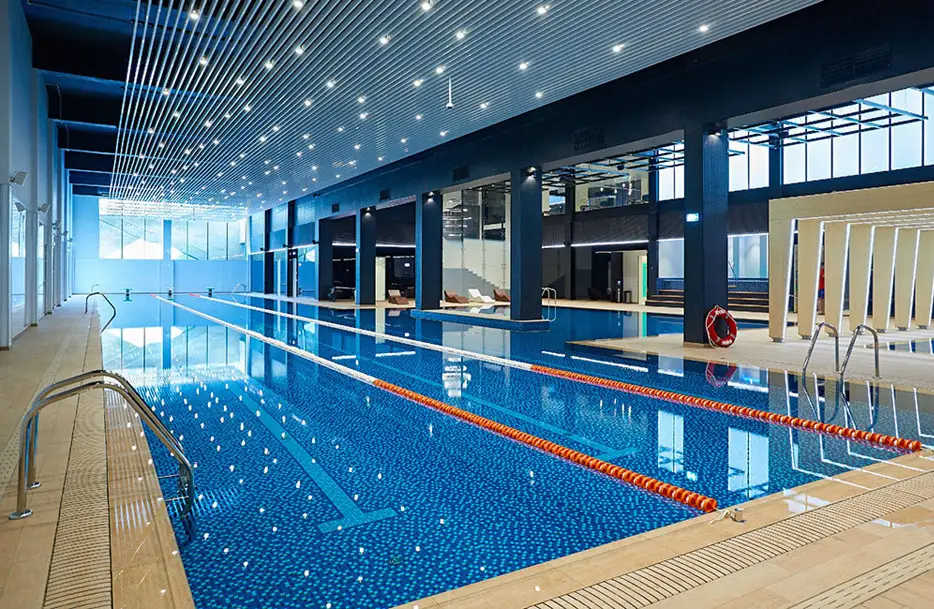
A swimming pool requires more than a well-designed structure to remain clean, comfortable, and safe to use. The equipment behind the scenes plays an important role in maintaining water quality, supporting circulation, controlling temperature, and simplifying everyday care. Choosing suitable components from the beginning can also help prevent unnecessary operating expenses and reduce the likelihood of equipment problems.
Exploring different Swimming Pool Solutions can help homeowners understand which equipment and accessories best suit their pool’s size, design, and intended use. Whether the pool is built for family recreation, fitness, or relaxation, selecting compatible products and maintaining them properly can improve performance throughout its service life.
Understanding the Essential Components of a Swimming Pool
Swimming pool equipment works together to keep water circulating, remove unwanted particles, maintain sanitation, and provide comfortable conditions. Each component has a specific function, so the overall system should be planned as a coordinated setup rather than a collection of unrelated products.
The most common equipment categories include circulation pumps, filters, sanitation systems, heating equipment, cleaning tools, and safety accessories. The exact requirements depend on the pool’s construction, water volume, local climate, and frequency of use.
Understanding these functions makes it easier to compare equipment options and identify which accessories are genuinely necessary.
Pool Pumps and Circulation Systems
The circulation pump moves water through the filtration and treatment equipment before returning it to the pool. Proper circulation helps distribute treated water and supports consistent filtration.
Choosing the Right Pool Pump
Pump selection should account for pool volume, plumbing layout, filter requirements, and the flow rate needed by the system. A pump that is too small may struggle to provide adequate circulation, while an unnecessarily powerful model can increase electricity consumption.
Variable-speed pumps allow users to adjust operating speeds according to different needs. When properly configured, they can reduce energy use compared with some conventional single-speed models.
Maintaining Pump Performance
Regular maintenance helps keep circulation equipment operating reliably. Homeowners should check for unusual noises, visible leaks, restricted water flow, and other changes that may indicate a developing problem.
Pump baskets should be cleaned as recommended by the manufacturer, and the surrounding area should remain accessible for inspection. Electrical and internal mechanical repairs should be handled by qualified technicians.
Swimming Pool Filters and Water Clarity
Filtration removes suspended debris and particles that can make pool water appear cloudy. A suitable filter works alongside circulation and sanitation equipment to maintain appropriate water conditions.
Three common filter types are sand, cartridge, and diatomaceous earth systems. Each has different cleaning requirements, filtration characteristics, and operating considerations.
- Sand filters: Water passes through a filtration medium that traps particles. Cleaning generally involves backwashing when required by the manufacturer’s instructions.
- Cartridge filters: These use removable elements that can be cleaned periodically. Many models avoid the routine backwashing associated with sand filters.
- Diatomaceous earth filters: These use a specialized filtration medium to capture fine particles and require careful handling and maintenance.
The right choice depends on the pool’s size, expected use, water conditions, maintenance preferences, and applicable local requirements. Clear water does not necessarily mean that sanitation is adequate, so filtration must always be supported by proper water treatment.
Pool Sanitation and Water Testing Equipment
Maintaining suitable water quality is essential for protecting swimmers and preventing algae growth. Pool sanitation systems help control microorganisms, while testing equipment allows owners to monitor the chemical balance.
Common sanitation options include chlorine-based systems and saltwater chlorination. A saltwater pool still produces chlorine through a specialized generator, so it requires appropriate testing and chemical management.
Water-testing kits and digital testers can measure important parameters such as pH and sanitizer concentration. More advanced monitoring systems may provide additional measurements or alerts, depending on the model.
Homeowners should follow established water-quality guidelines and product instructions when adjusting chemicals. Pool chemicals must be stored securely and never mixed unless the manufacturer’s directions explicitly permit it.
Pool Heating Equipment for Greater Comfort
Heating equipment can extend the swimming season and make water temperatures more comfortable when outdoor conditions are cool. The best option depends on the pool’s dimensions, climate, energy costs, and frequency of use.
Heat pumps transfer heat from the surrounding air into the water and can be efficient in suitable conditions. Gas heaters provide relatively rapid heating, while solar systems use available sunlight to warm the pool.
When comparing heating options, consider both the purchase price and long-term operating expenses. A properly sized heater, combined with a suitable pool cover, can help reduce unnecessary energy consumption.
Indoor pools may also require ventilation and humidity-control equipment to protect the building from excess moisture.
Essential Swimming Pool Cleaning Accessories
Cleaning tools help remove debris, prevent surface buildup, and reduce the workload associated with routine maintenance. The appropriate accessories depend on the pool’s shape, surface material, and surrounding environment.
Manual Cleaning Tools
A basic cleaning kit commonly includes a telescopic pole, leaf skimmer, pool brush, and vacuum attachment. These tools allow homeowners to remove floating debris, brush walls and floors, and clean areas that are difficult to reach through normal circulation.
Brush selection is particularly important because some surfaces require softer bristles than others. Using an unsuitable brush can scratch or damage certain pool finishes.
Automatic Pool Cleaners
Automatic cleaners can reduce the time spent removing dirt and debris. Suction-side cleaners use the pool’s circulation system, pressure-side cleaners operate through a suitable pressure-water connection, and robotic cleaners use their own motors and filtration mechanisms.
Each type has different installation, maintenance, and energy requirements. Homeowners should check compatibility with the pool’s surfaces, dimensions, and existing equipment before making a purchase.
Pool Covers and Protective Accessories
Pool covers provide several practical benefits, including reducing evaporation, limiting debris, and helping retain heat. Different cover designs serve different purposes, so the choice should reflect the pool’s main requirements.
Solar covers can help reduce heat loss and may contribute to warming in sunny conditions. Insulating covers focus on retaining heat, while certain purpose-built safety covers are designed to restrict access to the water when properly installed.
A standard thermal or solar cover should never be assumed to prevent drowning or support a person’s weight. Safety barriers and secure gates remain essential wherever required, particularly in homes with children.
Other useful accessories include water thermometers, storage containers for cleaning equipment, and suitable protective products for maintaining pool surfaces.
Pool Lighting and Electrical Accessories
Pool lighting improves visibility and can make the surrounding area more practical to use after sunset. LED fixtures are widely used because they generally consume less electricity than comparable traditional lighting and offer a range of lighting effects.
Lighting should be planned to illuminate the pool’s edges, steps, and nearby walkways without creating excessive glare. Underwater fixtures and electrical accessories must be specifically suitable for pool environments.
Electrical installation, bonding, grounding, and protective devices should comply with applicable safety standards. Homeowners should use qualified professionals for installation, inspection, and repairs rather than attempting unsafe electrical work themselves.
Safety Equipment Every Pool Owner Should Consider
Safety accessories help support responsible pool use, but they should form part of a broader safety plan that includes secure access, regular inspections, and active supervision.
Depending on the pool and local regulations, important items may include:
- Approved rescue equipment appropriate for the facility.
- Secure fencing and self-closing, self-latching gates.
- Suitable drain covers and compliant circulation fittings.
- Visible depth markings and clear safety signage.
- Handrails, steps, and accessible entry features where needed.
- A properly selected safety cover when appropriate.
Homeowners should also establish clear pool rules and ensure that emergency contact information is readily available. Children must be supervised closely around water, even when safety equipment is present.
How to Choose the Right Pool Equipment
Selecting equipment requires a balance between performance, compatibility, durability, and cost. The cheapest option may not provide the best value if it consumes more energy, requires frequent repairs, or does not suit the pool’s design.
Before purchasing equipment, evaluate the following factors:
- Pool size and design: Confirm that the equipment is suitable for the pool’s water volume and configuration.
- Operating costs: Compare expected electricity, water, chemical, and maintenance expenses.
- Compatibility: Ensure pumps, filters, heaters, and cleaning accessories work with the existing system.
- Durability: Consider the materials, environmental exposure, warranty, and expected service life.
- Maintenance requirements: Choose equipment that can be serviced conveniently and according to manufacturer guidance.
- Professional advice: Consult a qualified pool specialist when sizing technical equipment or modifying existing systems.
Planning these details before purchasing can help prevent incompatible installations and unnecessary expenditure.
Maintaining Pool Equipment for Long-Term Performance
Regular inspection helps preserve equipment performance and identify problems before they lead to larger repairs. Maintenance schedules should follow manufacturer recommendations and reflect the pool’s usage, climate, and operating conditions.
Homeowners should clean filters as directed, monitor water chemistry, inspect visible plumbing, and remove debris from skimmer baskets. Pumps and heaters should be checked for leaks, unusual noises, and changes in performance.
Keeping records of servicing, replacement parts, and equipment specifications can simplify troubleshooting and future upgrades. Professional servicing is advisable for complex mechanical faults, electrical work, and repairs that require specialized tools or training.
Conclusion
Swimming pool equipment and accessories play an essential role in maintaining water quality, improving comfort, supporting safety, and simplifying routine care. From pumps and filtration systems to cleaning tools, heating equipment, lighting, and protective accessories, each component should be selected according to the pool’s specific requirements.
By prioritizing compatibility, efficiency, durability, and regular maintenance, homeowners can make informed purchasing decisions and avoid many common equipment problems. A well-planned system helps keep a swimming pool functional, comfortable, and ready for use throughout its service life.