Selecting the right DMX Control Cable is essential for building a reliable and efficient professional lighting system. Whether you are installing lighting for a theater, concert venue, television studio, architectural project, or live event, the quality of the cable directly affects signal transmission and overall system performance. A properly chosen DMX control cable helps prevent communication errors, reduces interference, and ensures that every lighting fixture responds accurately to control commands. Understanding the key factors involved in cable selection will help you make the best decision for your project.
Understand Your Lighting System Requirements
Before choosing a DMX control cable, evaluate the specific needs of your lighting system. Consider the number of lighting fixtures, the total cable length, and the installation environment.
Ask yourself the following questions:
- How many fixtures will be connected?
- What is the total cable distance?
- Will the installation be permanent or temporary?
- Is the system used indoors or outdoors?
- Will the cable be exposed to frequent movement?
Understanding these requirements helps you select a cable that matches your application’s demands.
Choose a Cable Designed for DMX Signals
Not every cable is suitable for transmitting DMX signals. DMX control cables are specifically engineered to carry digital communication between lighting controllers and fixtures with minimal signal loss.
Using cables designed for DMX applications provides:
- Stable signal transmission
- Reduced communication errors
- Better synchronization
- Consistent lighting performance
Choosing the correct cable type helps maintain reliable operation throughout the entire lighting network.
Consider Cable Impedance
One of the most important technical specifications is cable impedance. DMX communication is designed to operate using cables with a characteristic impedance of approximately 120 ohms.
Using cables with incorrect impedance may result in:
- Signal reflections
- Communication instability
- Flickering fixtures
- Data transmission errors
Selecting a cable with the proper impedance ensures accurate and dependable signal delivery.
Evaluate Shielding Quality
Professional lighting environments often contain electrical equipment that generates electromagnetic interference (EMI). Power cables, amplifiers, motors, and other devices can introduce electrical noise into communication lines.
A high-quality DMX control cable should include effective shielding to protect digital signals from interference.
Good shielding helps provide:
- Stable communication
- Cleaner signal transmission
- Improved lighting synchronization
- Fewer operational issues
Shielded cables are especially important in complex stage and entertainment environments.
Select Durable Jacket Materials
The cable’s outer jacket protects it from physical damage and environmental conditions. Choosing the right jacket material improves durability and extends the cable’s service life.
Consider whether the cable will be exposed to:
- Frequent handling
- Heavy foot traffic
- Outdoor weather
- Moisture
- Abrasion
- High temperatures
Durable jacket materials help maintain cable performance even under demanding conditions.
Think About Cable Flexibility
Many lighting installations require cables to be coiled, bent, and repositioned regularly. Flexible DMX control cables simplify installation and reduce the risk of conductor damage caused by repeated movement.
Flexible cables are particularly useful for:
- Touring productions
- Concerts
- Temporary stages
- Rental equipment
- Mobile lighting systems
For permanent installations, flexibility may be less critical, but durability remains important.
Consider Cable Length
Cable length affects signal quality in any communication system. While DMX technology supports relatively long cable runs, selecting high-quality cables becomes increasingly important as distances increase.
Before purchasing, calculate:
- Total cable length
- Distance between fixtures
- Number of connected devices
- Future expansion requirements
Proper planning helps maintain reliable communication across the entire lighting network.
Check Connector Compatibility
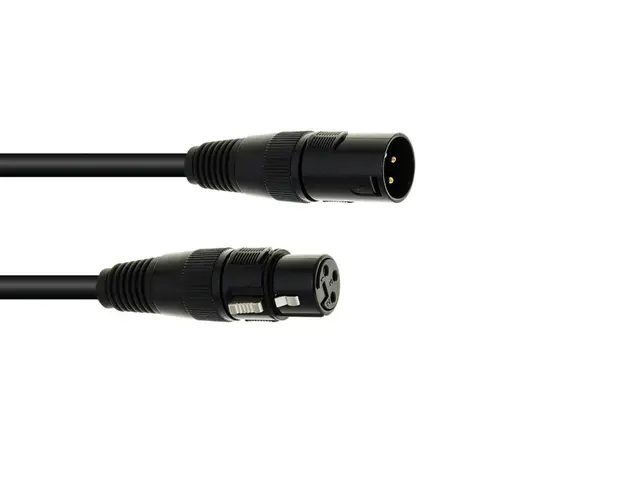
DMX systems commonly use XLR connectors to connect lighting controllers and fixtures. Before purchasing a cable, verify that its connectors match the equipment in your lighting system.
Compatible connectors help ensure:
- Secure connections
- Reliable communication
- Easy installation
- Reduced signal interruptions
Using properly matched connectors also minimizes wear during repeated setup and removal.
Plan for Future Expansion
Lighting systems often grow over time as additional fixtures and effects are added. Choosing high-quality DMX control cables that can support future expansion reduces the need for replacing existing infrastructure.
Planning ahead provides:
- Easier upgrades
- Lower future installation costs
- Greater system flexibility
- Improved long-term value
Considering future requirements during the initial installation saves both time and money.
Choose High Manufacturing Quality
The quality of construction directly influences cable reliability. Well-manufactured DMX control cables typically feature precision conductors, high-quality insulation, effective shielding, and durable outer jackets.
Quality construction offers several advantages:
- Longer service life
- Better signal stability
- Reduced maintenance
- Improved reliability
- Consistent performance
Investing in quality materials helps prevent costly communication failures during important events.
Balance Cost and Performance
While lower-cost cables may appear attractive, they often compromise performance and durability. High-quality DMX control cables provide better long-term value by reducing maintenance, minimizing failures, and extending system lifespan.
When comparing products, consider the total cost of ownership rather than focusing solely on the initial purchase price.
Conclusion
Choosing the right DMX Control Cable requires careful evaluation of your lighting system’s technical and environmental requirements. Factors such as impedance, shielding, flexibility, cable length, connector compatibility, durability, and overall construction quality all contribute to reliable signal transmission and dependable lighting performance. By selecting a cable specifically designed for professional DMX applications, you can reduce communication errors, improve system stability, and support both current and future lighting installations. A high-quality DMX control cable is a valuable investment that helps ensure smooth, synchronized, and professional lighting control in every project.