Choosing the right construction equipment requires careful consideration of performance, operating costs, durability, and jobsite requirements. Electric-powered machinery has become an important option for businesses looking to reduce on-site exhaust emissions, manage energy expenses, and operate in noise-sensitive environments. However, selecting the right model involves more than simply comparing battery specifications or purchase prices.
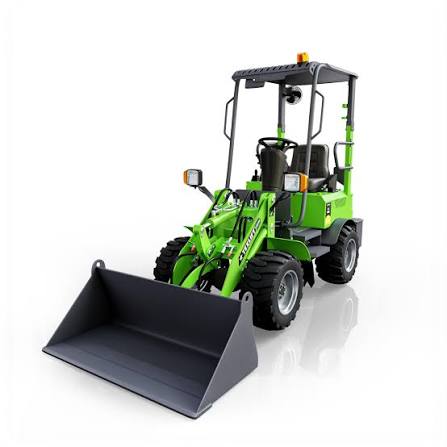
An Electric Skid Steer Loader combines battery-powered operation with the versatility of a compact loader, making it suitable for various construction, landscaping, agricultural, and material-handling tasks. Understanding its essential features helps buyers identify a machine that meets their workload requirements and delivers reliable performance over time.
1. Battery Capacity and Operating Runtime
Battery capacity is one of the first features to evaluate when purchasing an electric skid steer loader. It influences how much energy the machine can store and how long it can operate before requiring a recharge.
However, battery capacity alone does not determine actual runtime. Energy consumption varies with load weight, travel distance, hydraulic activity, operating temperature, and terrain.
When comparing models, consider the following factors:
- Usable battery capacity: The amount of stored energy available for normal operation.
- Expected runtime: The manufacturer’s estimated operating time under defined working conditions.
- Charging duration: How long the battery takes to reach the required charge level.
- Battery chemistry: The technology used and its implications for charging, service life, and temperature management.
- Battery warranty: Coverage terms, duration, and any capacity-retention conditions.
Ask suppliers for runtime estimates based on tasks similar to your daily operations. This is more useful than relying solely on idealized performance figures.
2. Rated Operating Capacity and Lifting Performance
The machine’s lifting capability determines whether it can safely handle the materials required for your projects. Choosing a model with insufficient capacity can reduce productivity, while buying an unnecessarily large machine may increase costs and restrict access in confined areas.
Rated Operating Capacity
Rated operating capacity indicates the load a machine can handle under specified conditions. It should not be confused with tipping load, which describes a different measurement of stability.
Buyers should review rated operating capacity, tipping load, lift height, and load-center requirements. The weight of the attachment must also be considered when determining the machine’s available working capacity.
Lift Geometry
Different loaders use different lift-arm designs and movement paths. Some applications benefit from greater reach at height, while others require better performance near ground level.
Consider the typical tasks the machine will perform, including loading trucks, moving pallets, filling containers, and transporting materials around the site.
3. Electric Motor Performance
Electric motors convert battery energy into mechanical power for movement and, depending on the design, hydraulic operation. Their configuration affects acceleration, maneuverability, energy consumption, and working performance.
When assessing motor performance, look beyond the maximum power rating. Consider how the machine responds under load and whether it can complete the required tasks without excessive energy consumption.
Useful specifications include:
- Rated and peak motor power, where provided.
- Travel speed and available operating modes.
- Drive-system configuration.
- Torque or tractive performance, where specified.
- Energy efficiency under typical workloads.
A practical demonstration can help buyers assess whether the machine provides the control and responsiveness needed for their work.
4. Hydraulic Flow and Attachment Compatibility
Attachments expand the range of jobs an electric skid steer loader can perform. However, not every machine can operate every attachment effectively.
Hydraulic flow rate and pressure are particularly important when selecting tools that depend on hydraulic power. Some attachments require standard flow, while others need higher flow rates or specific connection arrangements.
Before purchasing, confirm compatibility with commonly used attachments, such as:
- Buckets for soil, gravel, and debris.
- Pallet forks for moving packaged materials.
- Grapples for handling bulky objects.
- Augers for drilling holes.
- Sweepers for cleaning designated surfaces.
- Trenchers for suitable excavation work.
Also check the attachment interface, auxiliary hydraulic connections, electrical requirements where applicable, and the manufacturer’s approved operating limits. Compatibility should always be confirmed before connecting a new tool.
5. Charging System and Charging Time
Charging requirements directly affect how easily an electric skid steer loader fits into a work schedule. A machine with suitable battery capacity may still cause interruptions if charging takes too long or the site lacks an appropriate electrical supply.
Before selecting a model, determine which charger is required, whether charging can take place during breaks, and whether the available infrastructure can support the machine’s electrical demand.
Important considerations include:
- Compatible charger type and charging power.
- Required voltage and electrical supply.
- Expected charging time under normal conditions.
- Charging access at the jobsite or storage facility.
- Cable management and charging-area safety.
- Options for charging between shifts.
For demanding applications, calculate the energy needed for a typical workday and compare it with the charging opportunities available. Businesses operating multiple shifts may need additional charging capacity or a different equipment arrangement.
6. Machine Dimensions and Maneuverability
A compact design is one of the main advantages of skid steer loaders. However, dimensions vary between models, and the smallest machine is not always the best choice.
Measure the areas where the loader will operate, including entrances, corridors, storage areas, and loading zones. Pay attention to operating width, overall height, turning space, ground clearance, and machine weight.
Maneuverability is especially important for indoor construction, warehouse maintenance, residential projects, and landscaping work where access may be restricted.
Also consider whether the machine uses wheels or tracks. Wheeled models may suit firm, prepared surfaces, while tracked configurations can offer advantages on certain soft or uneven terrains. Actual suitability depends on ground conditions, traction requirements, and the manufacturer’s specifications.
7. Operator Comfort and Control Systems
Operator comfort influences productivity, particularly when equipment is used for several hours each day. A well-designed operator station can help reduce fatigue and support more consistent machine control.
Look for an operator area with suitable visibility, accessible controls, comfortable seating, and clear instrument displays. Adjustable controls and intuitive operating modes can also make it easier for trained operators to perform repetitive tasks accurately.
Useful features may include:
- Clearly displayed battery charge and warning information.
- Responsive steering and travel controls.
- Convenient lift-arm and attachment controls.
- Suitable seating and restraint systems.
- Good visibility around the working area.
- Accessible emergency stops or shutdown procedures where provided.
Buyers should arrange a demonstration whenever possible to evaluate the controls and operator station before making a decision.
8. Safety Features and Stability
Safety should be a priority when comparing electric skid steer loaders. The machine must be suitable for its intended loads, terrain, attachments, and working environment.
Check for appropriate restraint systems, operator-presence controls, warning indicators, and protective structures as specified for the model. Visibility aids and reversing alarms can also be important when the machine operates near workers or other equipment.
Other essential considerations include:
- Compliance with applicable machinery safety requirements.
- Stable operation within the manufacturer’s specified limits.
- Secure attachment locking mechanisms.
- Clear emergency shutdown procedures.
- Safe battery charging and electrical protection.
- Accessible maintenance instructions and safety labels.
Operators should receive appropriate training before using the machine. They must follow rated load limits, keep bystanders clear, and avoid operating on slopes or surfaces beyond the equipment’s permitted conditions.
9. Durability and Build Quality
Construction equipment often operates in demanding environments where dust, vibration, impacts, and repeated loading can cause wear. A durable electric skid steer loader should have components suited to the expected working conditions.
Inspect the frame, lift arms, attachment points, hydraulic hoses, tires or tracks, and protective enclosures. The quality of electrical connections, battery protection, and cooling arrangements may also influence long-term reliability.
Ask about the manufacturer’s testing procedures, service intervals, and recommended operating conditions. Warranty coverage can provide useful information, but it should be reviewed alongside the machine’s design, serviceability, and documented performance.
A durable machine is not necessarily the one with the heaviest construction. The goal is to select equipment with an appropriate balance of strength, weight, efficiency, and maneuverability.
10. Maintenance Requirements and Service Access
Electric skid steer loaders eliminate certain diesel-engine maintenance tasks, such as engine oil changes and diesel fuel filter replacements. Nevertheless, they still require regular servicing.
Maintenance requirements may include battery inspections, hydraulic-system checks, tire or track maintenance, electrical-system diagnostics, and inspection of moving components.
Before purchasing, ask the supplier about:
- Recommended maintenance intervals.
- Availability of replacement parts.
- Access to qualified technicians.
- Battery diagnostic and repair services.
- Hydraulic and electrical system support.
- Warranty coverage for major components.
A machine that is straightforward to service can help reduce downtime. Local technical support is particularly important for businesses that rely on their equipment every working day.
11. Total Cost of Ownership
The initial purchase price is only one part of the cost of owning an electric skid steer loader. Buyers should estimate expenses across the intended ownership period to understand the machine’s long-term financial impact.
A useful cost assessment includes:
| Cost factor | What to evaluate |
|---|---|
| Purchase price | Initial machine and attachment costs |
| Electricity | Energy consumption and local electricity rates |
| Charging infrastructure | Charger, electrical installation, and related expenses |
| Maintenance | Scheduled servicing, inspections, and repairs |
| Battery | Warranty terms, expected service life, and potential replacement costs |
| Downtime | Lost productivity during charging, servicing, or repairs |
| Financing | Interest and other financing expenses |
| Resale value | Expected condition and demand when the machine is sold |
Compare these expenses with those of a suitable diesel alternative. Electric equipment may offer savings where electricity and maintenance costs are favorable, but the result depends on local prices, utilization, and battery performance.
12. Environmental Suitability
Electric skid steer loaders produce no exhaust emissions at the point of use. This makes them attractive for certain indoor projects, enclosed facilities, and locations where direct emissions are a concern.
They also generally operate more quietly than comparable diesel machines, which may help when working near homes, businesses, or noise-sensitive facilities.
However, environmental suitability involves more than the power source. Buyers should consider electricity generation, battery manufacturing, end-of-life battery management, and the actual requirements of the worksite.
For indoor applications, confirm that the machine’s dimensions, floor loading, ventilation conditions, and operating characteristics are suitable for the facility.
13. Warranty and Manufacturer Support
Warranty and service arrangements can have a major effect on the ownership experience. Electric equipment may involve specialized battery and electrical components, so buyers should understand how these systems are supported.
Review the warranty for the complete machine, battery pack, electric motors, hydraulic components, and charger. Determine whether coverage includes labor, replacement parts, and specific battery-capacity thresholds.
It is also worth asking how warranty claims are handled, whether remote diagnostics are available, and how quickly essential replacement components can be supplied.
A clear support arrangement can help businesses plan maintenance and reduce uncertainty when technical problems occur.
Common Mistakes to Avoid When Choosing an Electric Skid Steer Loader
Even a machine with impressive specifications may be unsuitable if it does not match the working environment. Buyers can avoid common problems by checking practical requirements before making a purchase.
Common mistakes include:
- Selecting a machine based on price without comparing its operating capacity.
- Assuming advertised battery runtime will match every working condition.
- Ignoring charging access and electrical installation requirements.
- Choosing attachments without checking hydraulic compatibility.
- Overlooking the machine’s dimensions and turning clearance.
- Failing to investigate parts availability and local service support.
- Comparing purchase prices without calculating total ownership costs.
A structured evaluation helps ensure that the selected loader can perform the intended tasks safely and consistently.
Frequently Asked Questions
What is the most important feature of an electric skid steer loader?
The most important feature depends on the application. Battery capacity and charging access are critical for long shifts, while rated operating capacity and hydraulic performance matter most for demanding material-handling tasks. Buyers should assess the complete machine rather than relying on a single specification.
How do I choose the right battery capacity?
Estimate the machine’s daily operating hours, workload, and energy consumption. Then compare the expected demand with usable battery capacity and available charging time. Request runtime estimates based on realistic working conditions.
Are electric skid steer loaders suitable for heavy construction work?
Some models are designed for demanding applications, but capability varies significantly. Check rated operating capacity, lift performance, hydraulic specifications, and attachment compatibility to ensure the machine meets the requirements.
Which attachments should I consider?
Buckets and pallet forks are useful for many material-handling applications. Grapples, sweepers, augers, and trenchers may be suitable for more specialized tasks. Select attachments based on the work required and verify compatibility with the machine.
Is an electric skid steer loader cheaper to maintain?
It may have lower maintenance requirements because it eliminates certain diesel-engine service tasks. However, hydraulic repairs, electrical diagnostics, battery servicing, tires or tracks, and eventual battery replacement still contribute to ownership costs.
Conclusion
Choosing the right electric skid steer loader involves evaluating battery performance, lifting capacity, motor efficiency, hydraulic compatibility, charging requirements, maneuverability, safety, and long-term service support. Each feature affects how well the machine performs under real working conditions.
Buyers should start by identifying their most frequent tasks and the conditions in which the equipment will operate. Comparing technical specifications, requesting realistic runtime estimates, and calculating total ownership costs can help identify a machine that balances productivity, reliability, and operating expenses.
A carefully selected model can support a wide range of construction and material-handling activities while offering the practical advantages of battery-powered operation.