Introduction
Shopping malls are constantly looking for creative ways to attract families, increase visitor engagement, and create memorable shopping experiences. Live entertainment is an effective way to achieve these goals, particularly when it combines interactive activities, visual excitement, and family-friendly storytelling.
A dinosaur-themed performance can transform an ordinary mall visit into an entertaining adventure for children and adults. Planning a successful Dinosaur Show For Shopping Mall requires careful attention to the performance format, venue layout, audience participation, safety measures, and promotional strategy. With the right preparation, mall operators can create an event that encourages visitors to stay longer and explore more of the shopping center.
1. Define the Purpose of the Dinosaur Show
Before planning the event, identify the main objectives. A shopping mall might organize a dinosaur show to celebrate school holidays, attract weekend visitors, support a seasonal campaign, or introduce a new retail promotion.
The event’s purpose will influence its format, duration, budget, and target audience. A family entertainment campaign may focus on interactive performances, while an educational event might combine dinosaur characters with short presentations about prehistoric animals.
Establishing clear objectives also helps organizers measure success. Useful indicators may include attendance, participation in activities, visitor feedback, social media engagement, and interest from participating retailers.
2. Choose the Right Dinosaur Show Format
Dinosaur entertainment can take several forms, and the best option depends on the available space and the type of experience the mall wants to create.
Live Dinosaur Costume Performances
Dinosaur costumes are suitable for meet-and-greet sessions, parades, photo opportunities, and interactive games. Performers can walk through designated areas, greet visitors, and participate in scheduled activities.
This format is flexible because characters can move between different parts of the mall. However, organizers should provide enough space for performers to move safely and arrange assistance if the costumes restrict visibility.
Animatronic Dinosaur Displays
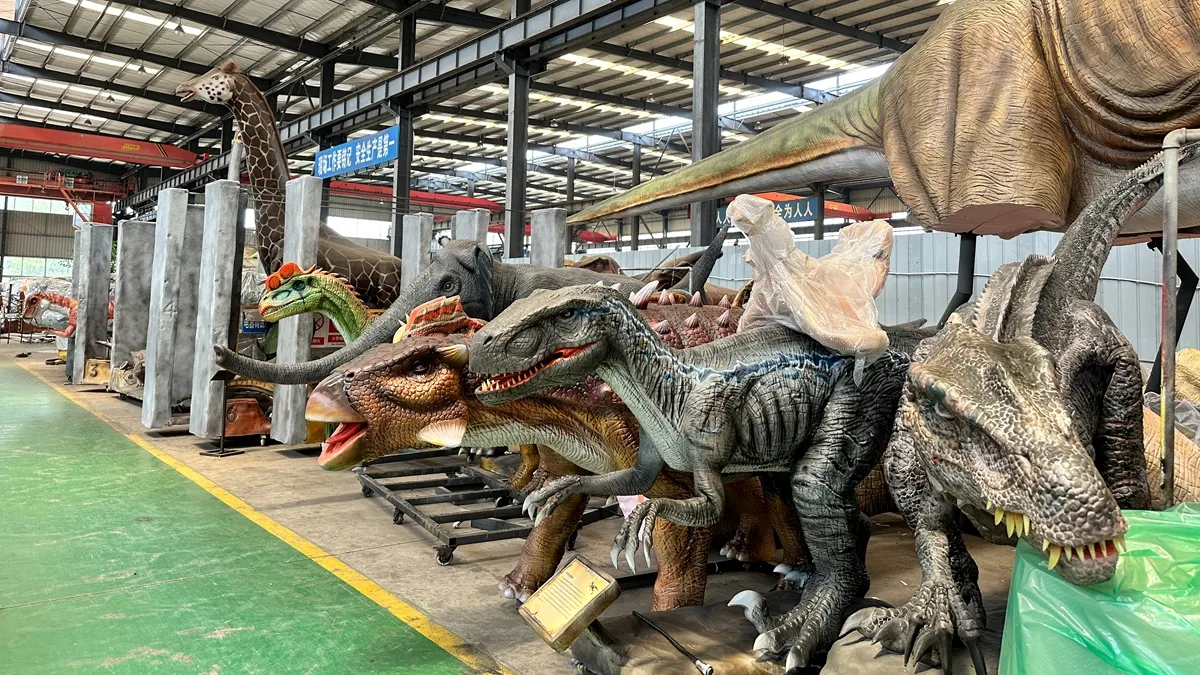
Animatronic dinosaurs use mechanical movement and sound effects to create a more lifelike prehistoric attraction. Depending on the model, features may include moving heads, opening jaws, swinging tails, and synchronized roars.
These displays can serve as the main attraction in a central event area. Before choosing a model, confirm its dimensions, power requirements, movement range, noise levels, and installation needs.
Interactive Educational Shows
An educational dinosaur show combines entertainment with accessible information about prehistoric life. A presenter can introduce different dinosaur species, explain basic anatomical features, and invite children to participate in quizzes or simple demonstrations.
This format works particularly well for family days and school holiday programs because it offers both entertainment and learning opportunities.
3. Select a Suitable Location Inside the Mall
The venue can significantly influence the audience’s experience. A central atrium may provide excellent visibility, while an event stage on a designated floor can offer better control over crowd movement and sound.
When evaluating possible locations, consider:
- Available floor space and ceiling height
- Visibility from nearby walkways and retail areas
- Access for equipment delivery and setup
- Electrical supply and technical requirements
- Emergency exits and accessible routes
- Distance from quiet areas and other scheduled activities
Avoid placing the show where it obstructs shop entrances, escalators, elevators, or emergency access. The event area should be easy to find while allowing visitors who are not attending the show to move through the mall comfortably.
4. Design an Engaging Show Schedule
A well-structured schedule helps maintain audience interest and makes the event easier to manage. Rather than presenting one long performance, consider organizing several shorter shows throughout the day.
For example, a mall could schedule a morning introduction, a midday interactive performance, and an afternoon character meet-and-greet. This arrangement gives families multiple opportunities to attend and helps distribute visitors across different time periods.
Each session should have a clear beginning, engaging middle, and memorable conclusion. A dinosaur character might make a dramatic entrance, participate in a short activity with the presenter, and finish with a group photograph.
Allow sufficient time between sessions for performer breaks, technical checks, crowd movement, and resetting the event area.
5. Include Interactive Activities for Children
Audience participation can make a dinosaur show more memorable than a performance that visitors simply watch from a distance.
Organizers can incorporate simple activities such as dinosaur trivia, movement games, sound-guessing challenges, or prehistoric treasure hunts. A presenter might ask children to identify a dinosaur from its silhouette or explain the difference between a carnivore and a herbivore.
A designated activity area can also include dinosaur-themed coloring sheets, educational displays, or supervised craft stations. These activities provide alternatives for younger visitors who may not want to stand close to a large moving dinosaur.
Keep instructions simple, ensure participation is voluntary, and adapt activities to the expected age range.
6. Create Memorable Photo Opportunities
Photo opportunities can encourage visitors to engage with the event and share their experiences online. A themed background featuring prehistoric plants, rocks, and dinosaur footprints can help establish a recognizable visual identity.
A costume performer can pose with visitors during scheduled meet-and-greet sessions. Alternatively, a static dinosaur sculpture or an appropriately positioned animatronic display can serve as a backdrop.
For promotional campaigns, the mall may add event signage, campaign graphics, or a branded photo frame. Make sure photography areas do not block walkways and that staff manage queues during busy periods.
If photographs of children will be used for marketing, obtain the necessary permissions and follow the mall’s privacy policies.
7. Plan the Event Budget Carefully
A realistic budget helps organizers choose suitable entertainment without overlooking essential operational costs.
Typical expenses may include:
- Dinosaur performers or animatronic equipment
- Transportation and installation
- Stage, lighting, and sound equipment
- Event decorations and signage
- Security and crowd management
- Staff, hosts, and activity facilitators
- Advertising and promotional materials
- Cleaning and post-event restoration
Ask suppliers for detailed quotations that specify what is included. For animatronic displays, clarify whether delivery, installation, technical supervision, and dismantling are covered.
It is also sensible to reserve a contingency allowance for unexpected costs, schedule changes, or additional operational requirements.
8. Prioritize Safety and Crowd Management
Shopping malls are public environments where visitors of different ages move through shared spaces. Safety planning is therefore essential, especially when an event includes large costumes, moving dinosaur models, sound effects, or high audience attendance.
Establish clear boundaries between the performance area and the audience. Keep emergency exits, accessible routes, escalators, and fire equipment unobstructed.
For animatronic dinosaurs, verify secure installation, electrical safety, movement clearances, and emergency stop arrangements where applicable. For costume performances, consider restricted visibility, heat, performer fatigue, and safe movement through crowds.
Mall management should coordinate with security, facilities teams, and event staff before the show begins. Staff should know how to manage queues, respond to incidents, and guide visitors away from congested areas.
9. Promote the Dinosaur Show Before It Begins
Effective promotion helps generate interest and gives visitors a reason to plan their mall visit around the event.
Start advertising early through the shopping mall’s website, social media channels, email newsletters, and in-mall digital screens. Promotional materials should clearly communicate the event date, performance times, location, age suitability, and any participation requirements.
Short videos, dinosaur illustrations, and behind-the-scenes preparation can help build anticipation. Retailers may also display promotional materials near their entrances or include the event in their customer communications.
Where appropriate, coordinate the show with family-oriented offers, dining promotions, or seasonal campaigns. These partnerships can help connect the entertainment experience with other mall activities.
10. Coordinate With Retailers and Mall Management
A successful mall event requires cooperation between the entertainment team and the businesses operating nearby.
Inform retailers about performance times, expected noise levels, equipment delivery, and any temporary changes to pedestrian routes. This helps businesses prepare for increased visitor traffic and reduces the risk of disruption.
Retailers may also contribute prizes, activity materials, or special offers related to the event. For example, children’s stores could provide dinosaur-themed giveaways, while restaurants might offer family meal promotions during the campaign.
Clear communication with mall management is equally important. Agree on responsibilities for security, technical support, cleaning, power access, and emergency procedures before the event begins.
11. Choose Reliable Entertainment Suppliers
The quality of the performance depends partly on the experience and reliability of the supplier. Before booking, review previous projects, performance videos, customer feedback, and the supplier’s ability to meet the venue’s requirements.
Ask about performer training, costume condition, animatronic specifications, setup time, technical support, and backup arrangements. If the event involves custom programming or a large mechanical display, request detailed documentation and confirm the production schedule.
A professional supplier should communicate clearly and explain any limitations related to space, sound, movement, or audience interaction.
Written agreements should define the scope of services, payment terms, cancellation conditions, and responsibilities for installation and dismantling.
12. Evaluate the Event After Completion
Reviewing the results helps mall operators improve future events. Gather feedback from visitors, retailers, staff, and the entertainment provider.
Useful measures include attendance estimates, participation levels, audience feedback, social media engagement, and operational issues encountered during the show.
Compare these results with the objectives established during planning. If families responded particularly well to character interactions, future events could include more meet-and-greet sessions. If congestion occurred during a popular performance, organizers might introduce timed entry or adjust the seating and queue layout.
Documenting lessons learned helps create a more efficient planning process for future family entertainment programs.
Conclusion
Organizing an engaging dinosaur show for a shopping mall involves much more than booking performers or installing a dinosaur display. The best results come from combining suitable entertainment, thoughtful scheduling, interactive activities, effective promotion, and careful safety planning.
By selecting the right format, coordinating with mall management, and creating opportunities for families to participate, organizers can deliver an enjoyable event that strengthens the mall’s appeal as a destination for entertainment as well as shopping. Careful evaluation after the event can then help improve future programs and create even more memorable visitor experiences.