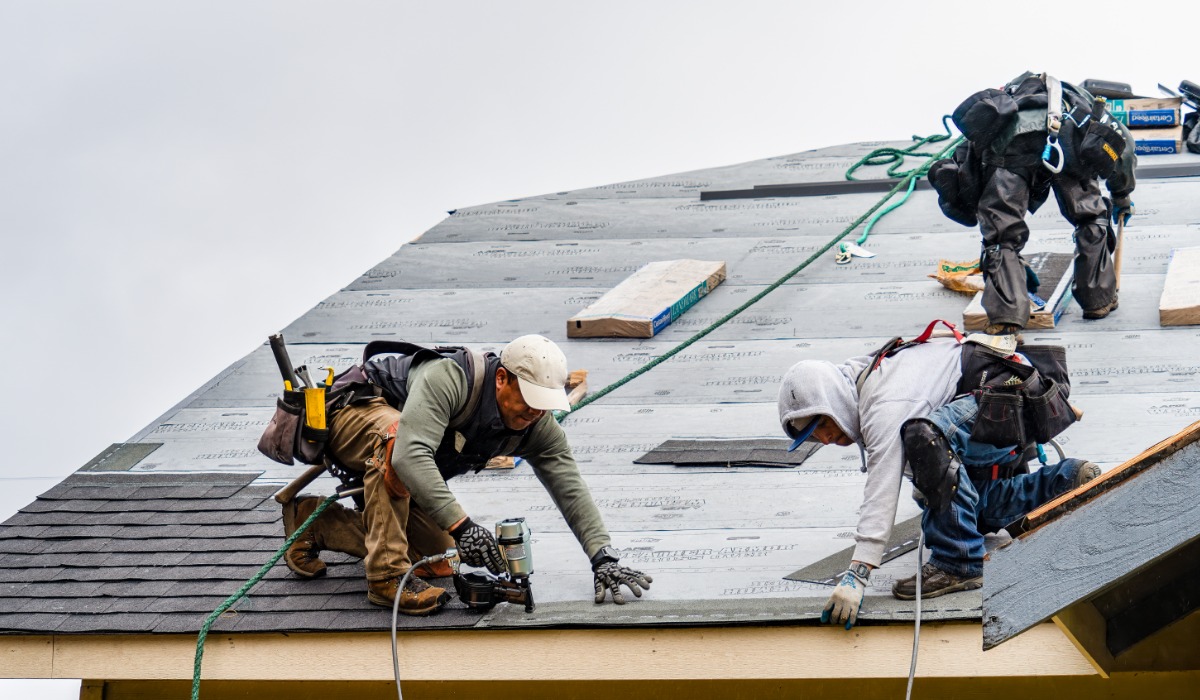
Regular roof maintenance can help property owners identify deterioration before it develops into more serious damage. Unlike emergency repairs, maintenance is generally focused on monitoring the condition of the roof and addressing smaller issues before they become disruptive.
When property owners work with Roofers in SE13, the maintenance process can involve inspection, cleaning, minor repairs, drainage checks, and recommendations for future care. The exact approach depends on the property’s age, roof design, materials, and existing condition.
Starting With a Roof Inspection
Maintenance usually begins with an assessment of the roof. The purpose is to identify visible defects and areas that may require closer attention.
A contractor may check roofing materials, flashing, roof edges, gutters, drainage points, and other accessible components. The condition of previous repairs may also be considered.
An inspection helps establish whether the roof is suitable for routine maintenance or whether more substantial repairs are necessary.
Checking Roof Coverings
Roof coverings are exposed to weather throughout the year. Tiles can crack or become displaced, while other roofing systems may develop worn, split, or damaged sections.
During maintenance, contractors can look for signs of deterioration that could eventually allow water to enter the building.
Minor defects may sometimes be addressed as part of routine maintenance, helping reduce the likelihood of larger problems developing later.
Inspecting Flashing and Joints
Flashing protects vulnerable points where the roof meets chimneys, walls, roof intersections, and other structures.
Because these areas can experience repeated exposure to rain and temperature changes, flashing may eventually loosen, crack, or deteriorate.
Maintenance inspections can identify these defects early. Depending on their condition, affected areas may be repaired, resealed, or replaced.
Clearing and Checking Gutters
Gutters are an important part of the roof drainage system. Leaves, moss, dirt, and other debris can restrict water flow and cause overflow.
During maintenance, gutters can be checked for blockages, damage, poor alignment, and other issues affecting drainage.
Keeping gutters clear helps rainwater move away from the roof and building more effectively.
Examining Roof Edges and Drainage Points
Roof edges, valleys, outlets, and other drainage areas can be vulnerable to water-related problems.
A maintenance inspection can look for signs of deterioration, blockages, standing water, or damage around these areas.
Early attention can help prevent drainage problems from contributing to leaks or deterioration elsewhere in the roofing system.
Looking for Signs of Water Ingress
A roof does not always show obvious external damage when water is entering the property. Damp insulation, staining, mould, or moisture around accessible roof timbers can provide useful warning signs.
Maintenance may therefore include checking accessible internal areas where appropriate.
If moisture is found, further investigation may be necessary to determine whether the cause is a roof defect, condensation, ventilation problem, or another source.
Assessing Previous Repairs
Previous repairs can provide useful information about the roof’s maintenance history. Contractors may examine repaired areas to determine whether the work remains effective.
If the same problem has returned, simply repeating an earlier repair may not provide a long-term solution.
Identifying recurring defects can help determine whether a different repair method or more extensive work should be considered.
Monitoring Ageing Roofs
Older roofs often require closer monitoring because different components can deteriorate at different rates.
Age does not automatically mean that a roof needs replacement. However, regular assessments can help identify when maintenance is becoming more frequent or when replacement may eventually become more practical.
Keeping track of the roof’s condition can also help property owners plan future expenditure.
Responding to Weather Damage
Routine maintenance does not eliminate the possibility of storm damage. Strong winds and severe weather can affect even well-maintained roofs.
After significant weather, a contractor may recommend checking for displaced tiles, damaged flashing, loose materials, or other visible defects.
Addressing storm-related damage promptly can help reduce the risk of further water exposure.
Considering Roof Ventilation
Roof maintenance can also involve identifying signs of inadequate ventilation. Condensation can occur when warm, moist air meets colder surfaces within a roof space.
Signs may include damp insulation, moisture around roof timbers, or persistent condensation.
Where ventilation appears to be contributing to the problem, improving airflow may be more appropriate than treating the issue as an external roof leak.
Carrying Out Minor Repairs
Maintenance often involves dealing with smaller defects before they become more serious.
Depending on the roof, minor work may include replacing damaged tiles, securing loose materials, repairing flashing, clearing drainage points, or addressing small areas of deterioration.
The appropriate repair depends on the condition of the affected area and the wider roofing system.
Creating a Maintenance Plan
A maintenance plan can help property owners keep track of inspections and repairs. The frequency of professional checks depends on factors such as roof age, material, exposure, previous problems, and property use.
A newer roof may require less frequent attention than an older or heavily exposed system.
Keeping records of inspections and completed repairs can also make it easier to monitor changes over time.
When Maintenance Reveals Larger Problems
Routine maintenance can sometimes identify issues that require more than minor attention. Widespread deterioration, structural concerns, recurring leaks, or extensive water damage may indicate that a larger repair or replacement needs to be considered.
A professional assessment can help distinguish between defects that can be managed through maintenance and problems requiring more extensive work.
This allows property owners to make decisions based on the actual condition of the roof.
Benefits of a Proactive Approach
Regular maintenance can help property owners stay aware of their roof’s condition rather than waiting for a major failure.
Potential benefits include:
- Earlier identification of defects
- Better drainage performance
- Reduced risk of recurring leaks
- Improved understanding of roof condition
- More predictable maintenance planning
- Greater opportunity to address minor problems promptly
Maintenance cannot prevent every roofing issue, particularly damage caused by severe weather, but it can support a more proactive approach to property care.
Final Thoughts
Roof maintenance involves more than simply repairing visible damage. A thorough approach can include inspecting roof coverings, checking flashing, maintaining drainage, monitoring moisture, reviewing previous repairs, and assessing areas that may require future attention.
For property owners in SE13, regular professional assessments can provide useful information about the condition of a roof and help identify problems before they become more disruptive. The most appropriate maintenance routine will depend on the individual property, its roofing materials, and its history of wear and repairs.