A beautiful swimming pool requires more than an attractive design and quality construction. Regular maintenance is essential for keeping the water clean, protecting pool surfaces, and ensuring that every component works properly. Without a consistent care routine, small issues such as unbalanced water chemistry, clogged filters, or algae growth can quickly become larger problems. A little attention throughout the year helps preserve the pool’s appearance and makes it more enjoyable to use.
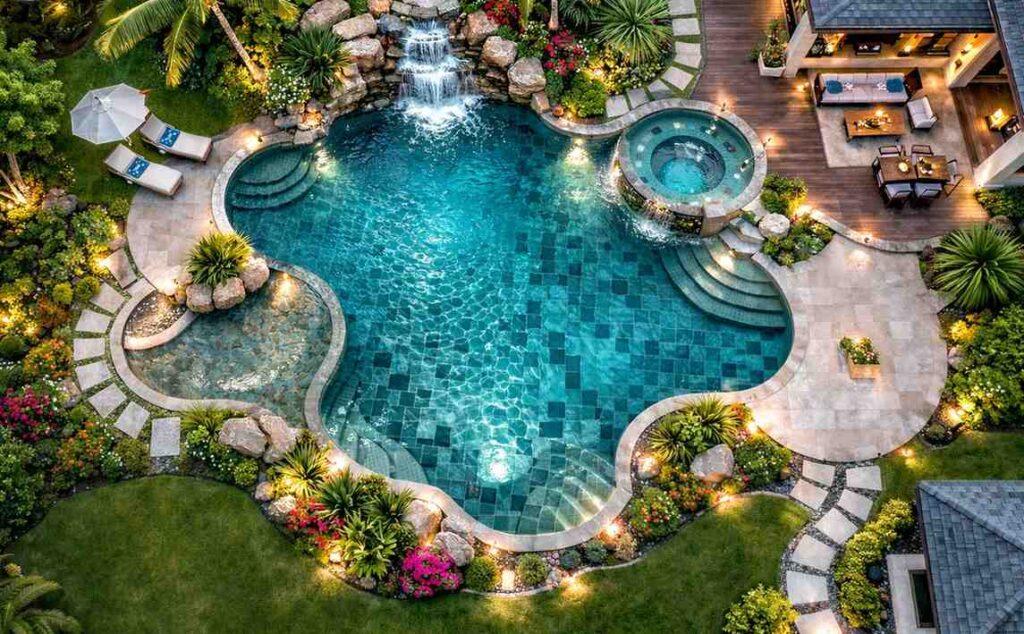
Whether a pool is designed for relaxation, exercise, or entertaining guests, understanding its maintenance needs is important. A well-planned Custom Swimming Pool can remain an attractive and functional feature of an outdoor space when owners follow practical cleaning, inspection, and water-care habits. The right routine also helps reduce unnecessary repairs and extends the lifespan of important equipment.
1. Maintain Proper Water Chemistry
Balanced water chemistry is one of the most important parts of pool care. Water that is too acidic or too alkaline can irritate swimmers and gradually damage pool surfaces, fittings, and equipment.
Test the water regularly using reliable test strips or a liquid testing kit. Pay attention to:
- pH levels: Keep the pH within the recommended range, generally 7.2–7.8.
- Chlorine levels: Maintain an appropriate sanitizer level to control bacteria and other contaminants.
- Total alkalinity: Keep it balanced to help stabilize pH.
- Calcium hardness: Monitor it to reduce the risk of scaling or surface damage.
Follow the recommendations for your pool system and the instructions provided by chemical manufacturers. If readings are consistently difficult to manage, a pool professional can help identify the underlying cause.
2. Skim and Remove Debris Frequently
Leaves, insects, dust, and other debris can accumulate on the water’s surface, particularly when a pool is surrounded by trees or exposed to wind. Removing this material regularly keeps the pool looking fresh and prevents organic matter from sinking to the bottom.
Use a leaf skimmer or surface net to collect floating debris. Empty skimmer baskets frequently so that water can circulate freely. During seasons when leaves and pollen are more common, daily skimming may be necessary.
It is also helpful to brush areas where debris tends to collect, including corners, steps, and areas around ladders. These simple tasks reduce the amount of dirt entering the filtration system.
3. Clean Pool Walls, Floors, and Steps
Even when the water looks clear, algae and mineral deposits can develop on pool surfaces. Regular brushing helps remove buildup before it becomes difficult to clean.
Choose a brush that is suitable for the pool’s finish. Softer brushes are generally appropriate for delicate surfaces, while other materials may require a different type of brush. Avoid using abrasive tools that could scratch or wear down the finish.
Vacuum the pool floor to remove settled dirt and small particles. Depending on the pool’s design and cleaning system, owners can use a manual vacuum, an automatic cleaner, or a robotic unit. Pay particular attention to steps, shallow areas, and corners where dirt can accumulate.
4. Keep the Filtration System in Good Condition
The filtration system removes suspended particles and helps maintain clear water. If it is not working correctly, contaminants can remain in the pool even when chemical levels appear balanced.
Inspect the filter and pump regularly. The cleaning requirements depend on the filter type:
- Sand filters: Backwash when the pressure reading indicates it is necessary, following the manufacturer’s guidance.
- Cartridge filters: Remove and rinse cartridges as recommended, and replace them when they show signs of wear.
- Diatomaceous earth filters: Follow the manufacturer’s cleaning and recharging instructions.
Check the pump basket for leaves and other obstructions. Also inspect visible connections for leaks and listen for unusual noises that could indicate a mechanical issue. Always switch off the equipment according to its safety instructions before opening or servicing components.
5. Maintain Consistent Water Circulation
Good circulation distributes treated water throughout the pool and helps prevent stagnant areas where algae may develop. Run the circulation system according to the pool’s size, usage, weather conditions, and equipment recommendations.
Make sure return jets are positioned to encourage movement across the water. If some areas remain noticeably still, adjusting the direction of the jets may improve circulation.
The pump does not necessarily need to run continuously in every situation. An appropriate operating schedule can be established based on the system’s specifications and the pool’s maintenance requirements.
6. Monitor the Water Level
Water levels naturally change because of evaporation, splashing, swimming activity, and cleaning. However, water that becomes too low can affect the pump and interfere with proper circulation.
Check the level regularly and maintain it within the range recommended for the pool’s skimmer or overflow system. If the water level drops unusually quickly, investigate the possibility of a leak rather than assuming evaporation is responsible.
After heavy rain, the water level may rise above the ideal point. Removing excess water when necessary helps maintain proper skimming and circulation.
7. Protect Pool Finishes and Surrounding Areas
The pool’s finish plays a major role in its overall appearance. Tile, plaster, aggregate, fiberglass, and other surfaces have different cleaning and care requirements. Using unsuitable chemicals or harsh cleaning tools can cause discoloration, staining, or surface deterioration.
Inspect the pool periodically for:
- Cracks, chips, or rough patches.
- Loose or damaged tiles.
- Mineral deposits and persistent stains.
- Deteriorating sealant around fittings.
- Discoloration that does not disappear with normal cleaning.
The surrounding deck also deserves attention. Remove dirt and organic debris, keep drainage areas clear, and address damaged joints or slippery surfaces promptly. Proper care of the pool deck helps maintain a clean, safe, and coordinated outdoor environment.
8. Clean and Inspect Pool Accessories
Ladders, handrails, lights, covers, drains, and other accessories contribute to both convenience and safety. Dirt and mineral deposits can build up on these components, while wear may go unnoticed without routine inspections.
Clean accessories using products suitable for their materials. Check handrails and ladders for loose fittings, and make sure covers operate correctly. Electrical components, underwater lighting, and damaged wiring should be inspected by qualified professionals rather than repaired without appropriate training.
If the pool includes water features, such as fountains or waterfalls, clean their outlets and inspect the associated pumps and plumbing to maintain consistent operation.
9. Adjust Maintenance According to the Season
Pool maintenance requirements change throughout the year. Hot weather, heavy rainfall, falling leaves, and periods of limited use can all affect water quality and equipment performance.
During warmer months, increased swimming activity and higher temperatures may require more frequent testing and cleaning. After storms, remove debris and check water chemistry because rainfall can alter the pool’s balance.
If the pool will not be used during colder months, follow an appropriate winterization procedure for the local climate and equipment. This may involve adjusting water levels, protecting plumbing, cleaning filters, and using a suitable cover. In warmer regions where pools remain operational year-round, continue routine circulation and water testing even during quieter periods.
10. Schedule Professional Inspections
Regular owner maintenance is essential, but some problems require specialist knowledge. Professional inspections can help identify developing issues before they lead to expensive repairs.
A qualified pool technician can assess pumps, filters, heaters, plumbing, electrical systems, and structural components. They can also investigate persistent water-quality problems, unusual pressure changes, leaks, or unexplained increases in chemical consumption.
The inspection schedule should reflect the pool’s age, design, equipment, and frequency of use. Keeping records of maintenance, repairs, and water test results also makes it easier to identify recurring problems.
Common Pool Maintenance Mistakes to Avoid
Even well-maintained pools can develop problems when important tasks are overlooked. Avoid these common mistakes:
- Ignoring water testing: Clear water is not necessarily properly sanitized.
- Using excessive chemicals: Adding more product than recommended can create imbalances and damage materials.
- Neglecting filter cleaning: A dirty filter reduces circulation and cleaning efficiency.
- Skipping surface brushing: Algae and deposits can develop in areas that are difficult to see.
- Overlooking small leaks: Minor water loss can indicate a problem that becomes more serious over time.
- Using unsuitable cleaning tools: Abrasive brushes and incompatible products may damage pool finishes.
- Forgetting equipment inspections: Unusual sounds, leaks, or pressure changes should be investigated promptly.
A consistent maintenance schedule helps prevent these issues and makes pool ownership more manageable.
Conclusion
Maintaining a beautiful swimming pool involves regular attention to water chemistry, cleaning, circulation, filtration, equipment, and surrounding surfaces. These tasks work together to preserve water quality, protect materials, and keep the entire swimming area inviting.
By establishing a practical maintenance routine and arranging professional inspections when needed, pool owners can prevent many common problems and protect their investment. Consistent care ensures that the pool remains a clean, comfortable, and attractive part of the property throughout the swimming season and beyond.