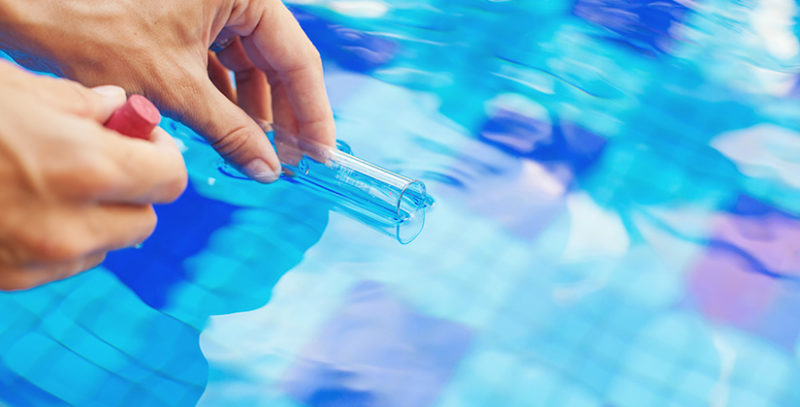
Maintaining clean, comfortable swimming pool water requires a consistent approach to sanitation and chemical balance. One common challenge for outdoor pool owners is the effect of sunlight on chlorine. Ultraviolet (UV) radiation can break down free chlorine, reducing its concentration and making it harder to maintain reliable disinfection throughout the day. This is particularly important during hot, sunny periods when pools may also experience increased use.
A Pool Water Stabilizer helps address this challenge by reducing the rate at which sunlight degrades chlorine. Most commonly based on cyanuric acid, stabilizers help preserve chlorine availability in outdoor pools. Knowing when to use one, how it interacts with other pool chemicals, and why its concentration needs monitoring can help pool operators maintain more consistent water quality without adding unnecessary chemicals.
What Is a Pool Water Stabilizer?
A pool water stabilizer is a chemical treatment used to protect chlorine from rapid degradation caused by UV radiation. Cyanuric acid is the most widely used stabilizing compound in conventional outdoor swimming pool systems.
When cyanuric acid is present in pool water, it forms a reversible association with free chlorine. This interaction reduces the amount of chlorine immediately exposed to sunlight while allowing chlorine to become available for disinfection.
Stabilizer is especially useful in outdoor pools because they receive direct sunlight for extended periods. Indoor pools generally have less need for it because their chlorine is not exposed to the same level of UV radiation.
It is important to understand that a stabilizer does not replace chlorine. It supports chlorine retention, while chlorine remains the primary disinfectant in the treatment system.
Why Outdoor Pools Often Need Stabilization
Sunlight can cause free chlorine to break down relatively quickly. Without suitable protection, an outdoor pool may lose a significant portion of its chlorine during daylight hours.
Several conditions influence the rate of chlorine loss:
- Direct sunlight: Pools exposed to strong UV radiation generally experience faster chlorine degradation.
- Long exposure periods: Pools receiving sunlight throughout most of the day may require more frequent chlorine monitoring.
- Warm weather: Higher temperatures often coincide with greater pool activity and increased sanitation demands.
- Heavy swimming activity: Swimmers introduce organic contaminants that consume chlorine.
- Water chemistry: pH and other chemical conditions influence chlorine effectiveness.
A stabilizer helps reduce the effect of UV exposure, but it does not prevent chlorine consumption caused by swimmers, organic matter, or other contaminants. Regular testing and sanitation remain essential.
When Should You Use a Pool Water Stabilizer?
The decision to use a stabilizer depends mainly on the pool environment, chlorine system, and existing water chemistry.
1. When the Pool Is Exposed to Direct Sunlight
Outdoor pools that receive several hours of direct sunlight are common candidates for cyanuric acid stabilization. The stabilizer helps reduce chlorine loss during daylight hours and can make chlorine management more predictable.
2. When Chlorine Levels Decline Rapidly During the Day
If testing repeatedly shows that free chlorine decreases significantly after periods of sunlight, UV degradation may be one contributing factor. Operators should first review the pool’s sanitation routine, water chemistry, and stabilizer concentration before adjusting treatment.
3. When Using Unstabilized Chlorine
Some chlorine products do not contain cyanuric acid. In outdoor pools, a separate stabilizer may be considered when these products are used, provided testing confirms that additional cyanuric acid is appropriate.
4. When Managing Commercial or Public Pools
Hotels, recreational facilities, sports centers, and other commercial properties often need consistent water-treatment procedures. Stabilization may form part of an outdoor pool’s sanitation program, subject to applicable regulations and operating standards.
When Stabilizer May Not Be Necessary
Indoor pools generally have less exposure to direct sunlight, so additional cyanuric acid may not be needed. It may also be unnecessary when the existing water already contains an adequate stabilizer concentration or when local pool regulations restrict its use.
Some specialized pool systems have different chemical requirements. Operators should follow the relevant standards and equipment guidance rather than applying the same stabilizer approach to every pool.
How a Stabilizer Works With Chlorine
The main function of cyanuric acid is to reduce the rate at which UV radiation destroys free chlorine. It does this through a reversible chemical association that provides a protected chlorine reserve.
This process helps maintain chlorine availability over a longer period under sunlight exposure. However, stabilization also affects how chlorine behaves in water. As cyanuric acid concentration increases, the relationship between measured free chlorine and its immediate disinfecting activity becomes more important.
For this reason, chlorine levels should be interpreted alongside stabilizer concentration. Simply increasing cyanuric acid is not a substitute for maintaining the appropriate free-chlorine residual.
Important Water Chemistry Factors to Monitor
A stabilizer works as part of a wider pool-treatment system. Several water-quality measurements should be reviewed together.
Free Chlorine
Free chlorine is the portion available for disinfection. Testing helps determine whether the pool has an appropriate chlorine residual for its operating conditions.
The required level should be based on the pool type, applicable health regulations, and cyanuric acid concentration.
pH
pH affects chlorine disinfection efficiency and swimmer comfort. If pH is outside the recommended range, chlorine may become less effective or the water may cause irritation and equipment-related problems.
Total Alkalinity
Total alkalinity helps buffer changes in pH. Maintaining suitable alkalinity makes it easier to manage pH and reduce sudden fluctuations.
Cyanuric Acid
Cyanuric acid concentration should be checked regularly, especially when stabilized chlorine products are used. Excessive accumulation can complicate chlorine management and may require partial water replacement.
Calcium Hardness
Calcium hardness is another important measurement, particularly for pools with concrete surfaces and certain types of equipment. Appropriate levels help reduce the risk of scale formation or corrosive water conditions.
Choosing the Right Stabilizer for Your Pool
Not all purchasing decisions should be based on price alone. Product specifications, consistency, handling requirements, and compatibility with the existing sanitation program all matter.
Consider these factors when comparing stabilizer products:
| Selection factor | What to consider |
|---|---|
| Chemical composition | Confirm that the product contains the intended stabilizing ingredient |
| Concentration and purity | Review product specifications and quality documentation |
| Dissolution characteristics | Understand how the product should be introduced into pool water |
| Application instructions | Check dosage guidance and any preparation requirements |
| Packaging | Choose packaging suitable for transport, storage, and handling |
| Supplier reliability | Consider consistency, availability, and technical support |
For commercial buyers, dependable documentation and consistent product quality are especially important when managing multiple pools or purchasing chemicals in larger quantities.
Best Practices for Using Pool Stabilizer
Correct application is essential for achieving the intended result. The following practices can help support effective pool management.
- Test before adding chemicals. Measure existing cyanuric acid and free chlorine to establish the pool’s current condition.
- Calculate water volume accurately. Incorrect volume estimates can lead to unsuitable dosage calculations.
- Follow the manufacturer’s instructions. Application methods and recommended quantities vary by product.
- Maintain proper circulation. Follow product guidance to distribute chemicals appropriately throughout the pool.
- Monitor chlorine and pH. Stabilizer should be managed alongside the pool’s other key water-quality measurements.
- Review stabilized chlorine use. Products containing cyanuric acid can contribute to gradual accumulation.
- Keep treatment records. Documenting test results and chemical additions helps identify trends and prevent repeated dosing errors.
Avoid adding more stabilizer simply because chlorine levels are declining. The cause may be inadequate chlorine dosing, heavy contamination, poor circulation, or another water-chemistry issue.
Common Mistakes to Avoid
Even a suitable stabilizer can cause problems if it is used without proper monitoring. Common mistakes include:
- Overdosing: Excessive cyanuric acid can make chlorine management more difficult.
- Ignoring existing stabilizer levels: Additional treatment may be unnecessary if the pool already contains enough cyanuric acid.
- Overlooking chlorine product composition: Dichlor and trichlor products contribute stabilizer during use.
- Neglecting pH: Stabilizer does not correct pH imbalance or replace routine water testing.
- Assuming stabilization prevents all chlorine loss: It mainly addresses UV degradation, not chlorine consumption from contaminants.
- Using a fixed dosage without testing: Pool conditions change, so treatment decisions should reflect current measurements.
Avoiding these errors helps maintain a more consistent and manageable sanitation routine.
Safe Storage and Handling
Pool chemicals should always be handled according to their product labels and safety data sheets. Store stabilizers in their original, clearly labeled containers in a cool, dry, well-ventilated location.
Keep chemicals away from moisture, direct heat, and incompatible substances. Never mix pool chemicals together, and use the protective equipment recommended by the manufacturer. Keep products secured against unauthorized access, particularly in facilities used by children or the public.
Conclusion
A pool water stabilizer can be a valuable part of outdoor pool maintenance because it helps reduce chlorine degradation caused by sunlight. Its use is most relevant when pools experience substantial UV exposure and the existing sanitation program requires additional chlorine protection.
Successful stabilization depends on more than selecting a product. Pool operators must monitor cyanuric acid, free chlorine, pH, and other water-quality indicators while considering the chlorine formulations already in use. With accurate testing, careful application, and appropriate product selection, stabilizer can support a more consistent and effective pool-care routine.