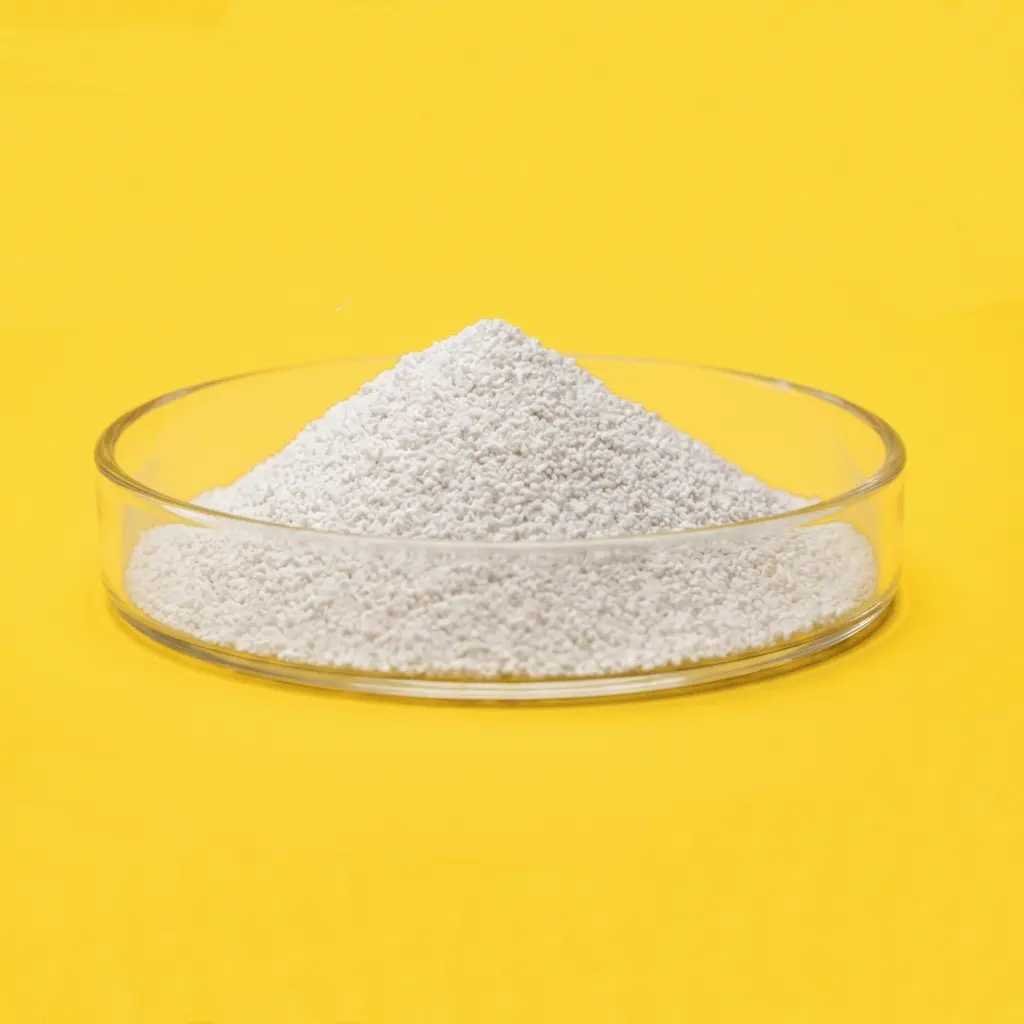
TCCA 90 powder is a chlorine-based chemical widely used in water disinfection, sanitation, and certain industrial treatment processes. Known for its high available chlorine content, it offers a concentrated source of active chlorine for applications that require effective microbial control. Understanding its composition, performance characteristics, and handling requirements helps buyers and operators make informed decisions about product selection and safe use.
As a trichloroisocyanuric acid formulation, this product combines strong oxidizing properties with a relatively high concentration of available chlorine. When evaluating TCCA 90 Powder, it is important to consider not only its stated chlorine content but also its purity, physical condition, packaging, and suitability for the intended application. These factors can influence storage stability, handling, and performance during use.
Understanding the Composition of TCCA 90 Powder
Trichloroisocyanuric acid, commonly abbreviated as TCCA, is an organic chlorine compound used as a disinfectant and oxidizing agent. Commercial TCCA 90 products are generally specified to contain approximately 90% available chlorine, although the exact value should always be confirmed through the manufacturer’s technical documentation and applicable test method.
The compound releases active chlorine when it reacts with water. This chlorine provides the oxidizing action responsible for controlling many microorganisms and helping break down certain organic contaminants.
Key composition-related considerations include:
- Available chlorine: Indicates the product’s potential chlorine contribution and is a central quality specification.
- Chemical purity: Helps determine whether the material meets the requirements of its intended application.
- Moisture content: Excess moisture may affect product condition and storage stability.
- Physical consistency: A uniform powder can make handling and controlled measurement more predictable.
- Packaging integrity: Properly sealed packaging helps protect the product from moisture and contamination.
Buyers should review the certificate of analysis and product specification rather than relying on the product name alone.
Performance Characteristics and Disinfection Properties
TCCA 90 powder is valued for its concentrated available chlorine content and oxidizing capability. When used under suitable conditions, it can help control bacteria, algae, and other microorganisms in approved water-treatment and sanitation applications.
Its performance depends on several operating factors. Water pH, temperature, organic contamination, contact time, and the amount of chlorine demand in the system can all influence disinfection results. A high available chlorine specification does not automatically guarantee the same outcome in every treatment environment.
Available Chlorine and Oxidizing Action
Available chlorine describes the chlorine equivalent that a product can provide through its chemical reactions. TCCA’s relatively high available chlorine content makes it a concentrated disinfectant option for applications where the product is approved and the treatment process is properly controlled.
The actual residual chlorine level in treated water must be measured rather than estimated from the quantity of chemical added. Operators should use a validated treatment procedure and suitable testing equipment to confirm that the required conditions have been achieved.
Dissolution and Water Conditions
TCCA powder interacts with water to release active chlorine. Its dissolution behavior can be affected by particle characteristics, water temperature, agitation, and the surrounding water chemistry.
Operators should follow the manufacturer’s instructions for preparation and application. Adding the product directly to an unsuitable system or combining it with incompatible chemicals can create serious hazards.
Factors That Influence Treatment Results
Several conditions can affect how effectively TCCA performs:
- pH level: Influences chlorine chemistry and the proportion of active chlorine species.
- Organic load: Organic matter can consume chlorine and reduce the amount available for disinfection.
- Contact time: Adequate exposure is necessary for the intended microbial-control objective.
- Water temperature: Can influence reaction rates and chemical behavior.
- Monitoring accuracy: Reliable testing helps operators assess residual chlorine and treatment consistency.
A controlled process should account for these variables instead of depending on a fixed application rate across different water systems.
Common Applications of TCCA 90 Powder
TCCA 90 powder is used in a range of disinfection and sanitation settings, subject to product registration, local regulations, and application-specific requirements.
Swimming Pool Water Treatment
In swimming pool systems, TCCA-based products can provide chlorine for controlling microorganisms and maintaining water sanitation. Pool operators need to monitor free chlorine, pH, and other relevant water-quality indicators to maintain suitable conditions.
Because TCCA can contribute cyanuric acid to pool water, regular monitoring of cyanuric acid levels is also important where the product is used repeatedly. Excessive accumulation can affect chlorine effectiveness and may require corrective water-management measures.
Industrial Water Treatment
Some industrial water-treatment programs use chlorine-based disinfectants to help manage microbial growth. Whether TCCA 90 powder is suitable depends on the system design, water chemistry, treatment objective, and applicable approval requirements.
Operators should assess compatibility with equipment and downstream processes before selecting a chemical treatment method.
Facility and Equipment Sanitation
TCCA products may also be used in certain sanitation programs involving suitable surfaces, equipment, or water systems. The product label and approved procedures should define the correct application, concentration, contact time, rinsing requirements, and material compatibility.
It should not be assumed that a formulation suitable for one sanitation purpose is automatically appropriate for food-contact surfaces, drinking-water systems, or other regulated uses.
Storage Considerations for TCCA 90 Powder
Proper storage is essential for maintaining product quality and reducing the risks associated with concentrated chlorine-based oxidizers. TCCA 90 powder should be handled as an oxidizing chemical and stored according to its safety data sheet and local chemical-storage requirements.
Keep the Product Dry
Moisture can contribute to product deterioration and unwanted chemical reactions. Store the material in its original, tightly closed packaging in a dry, well-ventilated area. Protect containers from rain, standing water, and damp floors.
Avoid Heat and Direct Sunlight
Excessive heat and direct sunlight can affect chemical stability and increase storage risks. Follow the manufacturer’s specified temperature limits and keep the product away from heat sources.
Separate Incompatible Materials
TCCA is a strong oxidizer and must be kept away from incompatible substances. These include acids, ammonia, reducing agents, oils, grease, combustible materials, and other incompatible pool or industrial chemicals.
Never mix TCCA with other cleaning agents or disinfectants. Contact with incompatible chemicals can cause dangerous reactions and may release hazardous gases.
Maintain Suitable Packaging and Identification
Original packaging helps preserve product condition and provides important identification and handling information. Containers should remain clearly labeled and closed when not in use. Damaged, leaking, or contaminated packaging should be managed under the procedures in the safety data sheet.
Safe Handling and Workplace Precautions
Workers handling TCCA 90 powder should understand its oxidizing and irritating properties before beginning any task. Appropriate personal protective equipment should be selected according to the product’s safety data sheet and the specific workplace risk assessment.
Important precautions include:
- Wear suitable chemical-resistant gloves and eye protection.
- Use protective clothing appropriate to the handling task.
- Avoid breathing dust and prevent contact with skin and eyes.
- Handle the product in a well-ventilated area.
- Keep food, beverages, and personal items away from chemical-handling areas.
- Wash hands thoroughly after handling.
- Keep emergency procedures and the relevant safety data sheet accessible.
If accidental contact, inhalation, or a spill occurs, follow the product-specific emergency instructions and seek appropriate professional assistance. Do not attempt to neutralize or clean up an unknown chemical mixture without suitable training and protective equipment.
Quality Factors Buyers Should Evaluate
Selecting a reliable TCCA 90 powder product requires more than comparing prices or available chlorine claims. Buyers should assess documentation, packaging, supplier consistency, and whether the product meets the requirements of the intended application.
Certificate of Analysis
A certificate of analysis can help verify important batch characteristics, including available chlorine and other parameters specified by the manufacturer. Buyers should confirm that the document corresponds to the supplied batch.
Safety Data Sheet
The safety data sheet provides information about chemical hazards, protective measures, storage conditions, incompatibilities, and emergency response. It should be available before the product is received or handled.
Packaging and Transportation
Packaging should be appropriate for an oxidizing chemical and suitable for the expected transportation and storage conditions. Buyers should check that containers are sealed, clearly labeled, and free from visible damage.
Supplier Reliability
A dependable supplier should provide consistent product specifications, relevant technical documents, clear packaging information, and appropriate support for handling and transportation questions.
Conclusion
TCCA 90 powder is a concentrated chlorine-based oxidizer used in various approved disinfection and sanitation applications. Its available chlorine content, chemical properties, and practical performance make it an important option in some water-treatment programs, but successful use depends on water conditions, process control, and appropriate monitoring.
Careful attention to product specifications, storage conditions, chemical compatibility, and workplace safety is essential. By reviewing batch documentation, following the manufacturer’s instructions, and applying the correct safety procedures, buyers and operators can make more informed decisions about selecting and managing TCCA 90 powder.