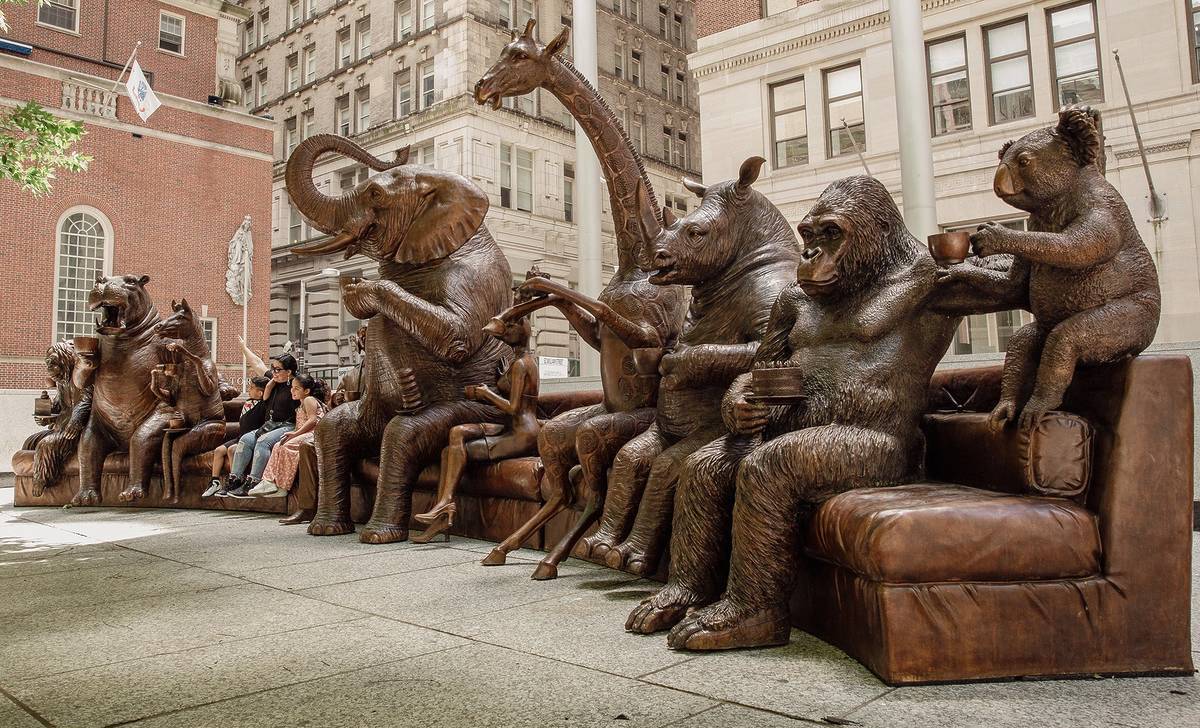
Custom animal sculptures can transform ordinary spaces into memorable visual environments. From realistic wildlife figures in museums to oversized decorative animals in shopping centers, theme parks, gardens, and public spaces, these displays combine artistic craftsmanship with practical design considerations. Their appearance, scale, and construction can be adapted to suit different locations, themes, and visitor experiences.
Choosing the right Animal Sculpture involves more than selecting an attractive design. Project planners need to consider the intended display environment, suitable materials, dimensions, surface finishes, installation requirements, and long-term maintenance. Understanding these factors helps ensure that the finished sculpture complements its surroundings while meeting practical expectations.
Understanding the Purpose of a Custom Animal Sculpture
The first step in planning a custom sculpture is identifying its purpose. A figure designed for a museum exhibition may require accurate anatomy and realistic surface details, while a decorative sculpture for a shopping mall may prioritize visual impact and a recognizable silhouette.
Common applications include:
- Museums and educational exhibitions: Animal figures can help explain wildlife, biodiversity, anatomy, and natural habitats.
- Theme parks and attractions: Large sculptures can support themed environments and create recognizable photo opportunities.
- Shopping centers and commercial spaces: Decorative animal figures can strengthen visual identity and attract visitors.
- Public parks and gardens: Outdoor sculptures can introduce artistic elements into recreational landscapes.
- Hotels and resorts: Custom figures can complement interior themes, landscaped areas, and entrance spaces.
- Events and promotional displays: Temporary installations can create distinctive settings for exhibitions, celebrations, and campaigns.
Defining the intended application helps determine the appropriate artistic style, construction method, and material selection.
Choosing the Right Materials
Material selection has a major influence on the appearance, durability, weight, and cost of a custom animal sculpture. Different materials offer different advantages, so the best option depends on the sculpture’s size, location, and expected use.
Fiberglass
Fiberglass is widely used for decorative and themed sculptures because it can be molded into complex shapes and finished with detailed paintwork. It is relatively lightweight compared with many solid construction materials, making it suitable for installations where transportation and mounting are important considerations.
Potential applications include:
- Indoor decorative animal figures.
- Large themed sculptures.
- Museum and exhibition displays.
- Outdoor installations with suitable protective coatings.
Fiberglass construction can reproduce fine details such as fur patterns, feathers, scales, and facial features.
Resin
Resin materials are useful for producing detailed decorative figures and smaller sculptures. They can capture intricate shapes and surface textures, making them suitable for collectible-style displays, educational models, and themed decorations.
The specific resin formulation should be selected according to the sculpture’s size, exposure conditions, and structural requirements.
Metal
Metal sculptures are often selected for outdoor installations and contemporary artistic projects. Materials such as stainless steel, aluminum, and treated steel can create different visual effects, from polished reflective surfaces to textured finishes.
Metal is particularly suitable for designs that emphasize strong silhouettes, geometric forms, or durable structural elements. However, fabrication, corrosion protection, and installation requirements should be considered during planning.
Wood
Wood offers a natural appearance and distinctive craftsmanship. Carved wooden animal sculptures can complement gardens, nature-themed environments, resorts, and traditional decorative settings.
The choice of wood, protective treatment, and finishing method is important, particularly when the sculpture will be displayed outdoors.
Concrete and Stone
Concrete and stone are suitable for permanent installations that require substantial weight and a solid visual presence. These materials are commonly considered for public spaces, gardens, memorial projects, and architectural landscaping.
Their weight requires careful planning for foundations, transportation, and installation.
Selecting the Appropriate Sculpture Size
The size of an animal sculpture should reflect its display location, viewing distance, and intended visual impact. A figure that looks impressive in a large outdoor plaza may overwhelm a small indoor room.
Before finalizing dimensions, measure the available installation area and consider the surrounding architecture, pedestrian movement, and viewing angles.
Small-Scale Sculptures
Smaller sculptures work well on shelves, reception desks, display platforms, and educational exhibition tables. They are easier to transport and can be arranged in collections to represent multiple species.
Medium-Sized Sculptures
Medium-sized figures are suitable for indoor exhibitions, commercial interiors, landscaped courtyards, and themed display areas. They provide enough visual presence to attract attention without requiring extensive structural preparation.
Large and Life-Size Sculptures
Life-size and oversized animal sculptures can become central features in public spaces, theme parks, museums, and outdoor attractions. Their scale creates a strong impression and can help establish the identity of a location.
Large installations require additional attention to structural support, transportation access, lifting arrangements, foundations, and visitor safety.
Choosing an Appropriate Artistic Style
Custom animal sculptures can be produced in several visual styles. The best approach depends on the audience, setting, and purpose of the project.
| Sculpture style | Typical characteristics | Suitable applications |
|---|---|---|
| Realistic | Detailed anatomy, natural proportions, lifelike textures | Museums, wildlife exhibitions, educational displays |
| Stylized | Simplified forms and distinctive visual features | Commercial interiors, themed attractions |
| Abstract | Artistic shapes and unconventional proportions | Galleries, public art, modern architecture |
| Cartoon-inspired | Exaggerated expressions and playful features | Family attractions, children’s spaces |
| Decorative | Emphasis on color, pattern, and visual presentation | Hotels, gardens, shopping centers |
A consistent style helps the sculpture feel connected to its surroundings. For example, realistic wildlife figures may suit a nature exhibition, while colorful stylized animals may be more appropriate for a family entertainment venue.
Surface Finishes and Visual Details
The surface finish determines how a sculpture looks under different lighting conditions and how effectively it communicates its intended character.
Naturalistic Paint Finishes
Realistic paintwork can reproduce the natural coloration of an animal, including subtle shading, markings, and variations in texture. This approach is especially useful for wildlife displays and educational installations.
Glossy Finishes
Glossy coatings create a reflective surface that can make colors appear brighter and more prominent. They are often used for contemporary decorative sculptures and visually striking commercial displays.
Matte Finishes
Matte coatings reduce reflections and create a softer appearance. They can be effective for realistic animal figures, understated interior designs, and installations where surface texture should remain visually prominent.
Textured Finishes
Some sculptures benefit from additional surface treatments that reproduce the appearance of fur, feathers, scales, skin, or natural materials. These details can improve realism and make the figure more engaging when viewed closely.
Protective Coatings
Outdoor sculptures may require protective finishes suited to exposure to sunlight, moisture, temperature changes, and environmental pollution. The appropriate coating depends on the base material and the conditions at the installation site.
Customization Options for Different Display Projects
Customization allows designers to adapt a sculpture to the requirements of a specific project rather than relying on a standard decorative figure.
Common customization options include:
- Species selection: Choosing animals that match the exhibition or theme.
- Pose and posture: Creating standing, sitting, running, flying, or other recognizable positions.
- Dimensions: Adjusting height, length, and overall proportions.
- Color and markings: Matching natural species characteristics or a specific creative concept.
- Material selection: Choosing construction materials based on location and durability requirements.
- Surface detailing: Adding realistic textures and distinctive anatomical features.
- Mounting arrangements: Incorporating bases, supports, or integrated installation features.
For projects involving multiple sculptures, maintaining consistent proportions, artistic style, and finishing quality can help create a cohesive display.
Indoor and Outdoor Installation Considerations
The display environment influences nearly every aspect of sculpture planning.
Indoor Installations
Indoor sculptures generally have more controlled environmental conditions, but they still require suitable positioning and secure installation. Designers should consider ceiling height, floor loading, lighting, visitor circulation, and access for cleaning.
For shopping centers and exhibition halls, the sculpture should complement the surrounding architecture without obstructing walkways or emergency access.
Outdoor Installations
Outdoor projects require greater attention to environmental exposure and structural stability. Rain, sunlight, wind, humidity, and temperature fluctuations can affect materials and finishes over time.
Important considerations include:
- Weather-resistant construction materials.
- UV-resistant coatings where appropriate.
- Secure foundations and mounting systems.
- Wind loads for large or elevated sculptures.
- Drainage and moisture management.
- Safe distances from pedestrian pathways.
Professional assessment is particularly important for large sculptures installed in publicly accessible locations.
Budgeting for a Custom Animal Sculpture
The cost of a custom sculpture depends on several interconnected factors. A small, simple decorative figure will generally involve different production requirements from a large, highly detailed installation.
Key cost considerations include:
- Design complexity: Detailed anatomy, unusual poses, and specialized artistic features may require additional development work.
- Material choice: Different materials have different costs for sourcing, fabrication, and finishing.
- Overall dimensions: Larger sculptures generally require more material, labor, and transportation planning.
- Surface finishing: Detailed paintwork, textures, and protective coatings can affect production costs.
- Structural requirements: Internal supports, foundations, and mounting systems may add to the project budget.
- Transportation and installation: Distance, size, lifting equipment, and site accessibility can influence final expenses.
A clear project specification makes it easier to obtain accurate quotations and compare proposals.
Maintaining Animal Sculptures Over Time
Regular maintenance helps preserve the appearance and structural condition of display sculptures. The appropriate maintenance routine depends on the material, finish, and installation environment.
For most projects, maintenance planning should include:
- Removing dust and surface dirt using suitable cleaning methods.
- Inspecting paintwork and protective coatings for damage.
- Checking mounting points, foundations, and structural connections.
- Looking for cracks, corrosion, moisture damage, or loose components.
- Repairing minor surface problems before they become more extensive.
- Following material-specific cleaning and maintenance recommendations.
Outdoor sculptures may require more frequent inspections because of changing weather conditions and environmental exposure.
Conclusion
Custom animal sculptures offer versatile solutions for museums, theme parks, public spaces, commercial interiors, gardens, and educational exhibitions. Their success depends on selecting suitable materials, establishing appropriate dimensions, choosing a consistent artistic style, and applying finishes that match the intended environment.
By considering design purpose, fabrication requirements, installation conditions, and long-term maintenance from the beginning, project planners can create sculptures that are visually appealing, practical, and durable. A carefully planned animal sculpture can become more than a decorative object: it can serve as an educational resource, a recognizable landmark, or a defining feature of an entire display environment.