Outdoor activities can place different demands on sunglasses, so retailers need to consider more than frame appearance when building their product selection. Customers who spend time driving, hiking, fishing, cycling, or traveling may have different expectations for lens performance, comfort, and frame design.
When evaluating Wholesale Polarized Sunglasses, retailers should consider how each product may suit different outdoor environments. Polarization can reduce reflected glare, but factors such as UV protection, frame fit, lens color, durability, and overall construction also deserve attention.
Why Polarization Matters Outdoors
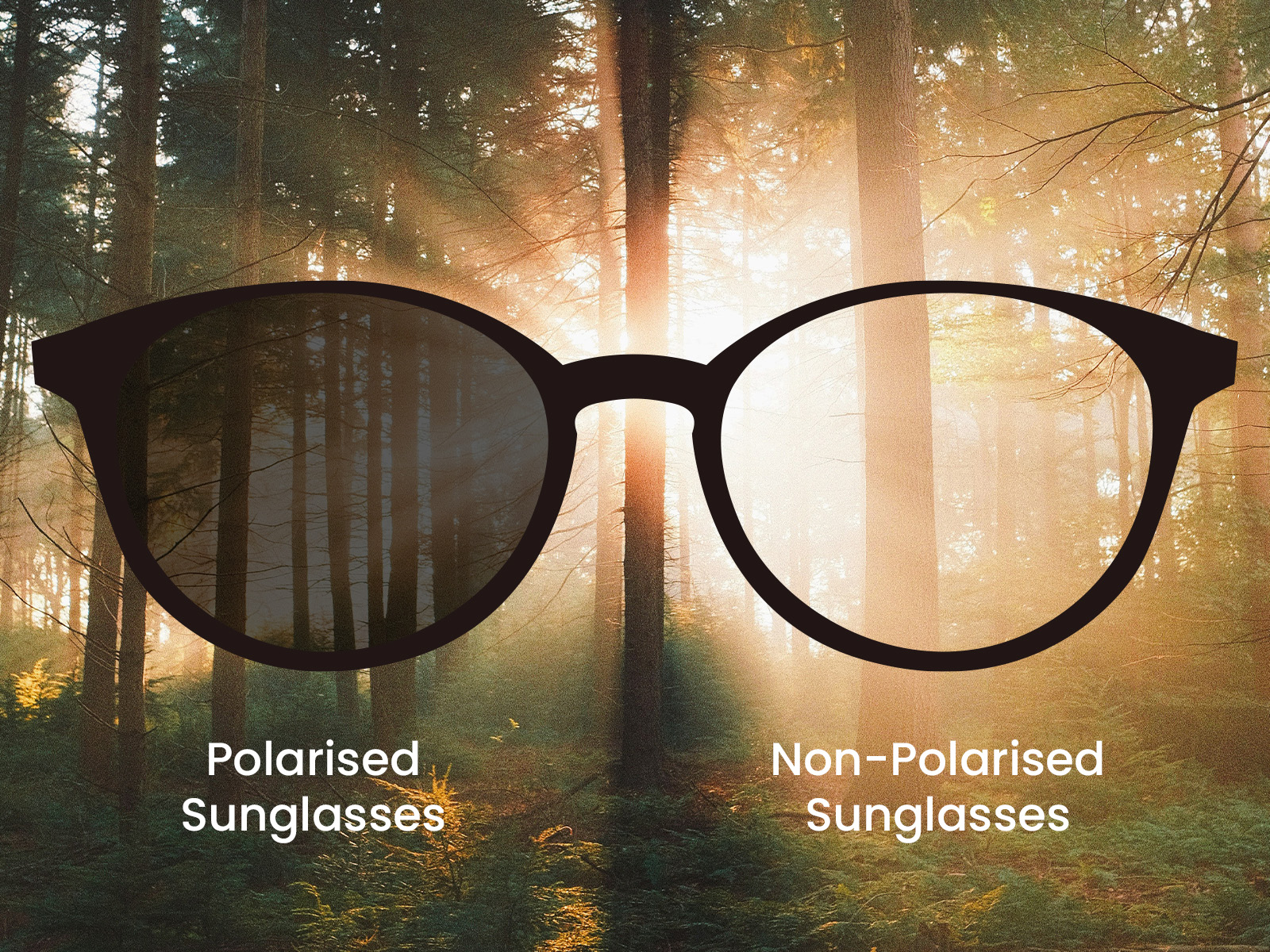
Polarized lenses use a filter that reduces certain types of reflected light. This can be useful in environments where glare is produced by surfaces such as water, roads, or snow.
For retailers, understanding this basic function makes it easier to select products that match the needs of different customers. However, polarization itself does not automatically indicate the overall quality or level of UV protection of a pair of sunglasses.
Sunglasses for Fishing and Water Activities
Fishing and boating can expose customers to strong reflections from water. Reducing glare may make it more comfortable to look across the surface and observe surroundings.
For these customers, retailers can consider polarized sunglasses with comfortable frames, secure fits, and lenses suitable for bright outdoor conditions. Lightweight construction can also be useful when sunglasses are worn for several hours.
Sunglasses for Driving
Drivers frequently encounter glare reflected from roads, vehicles, and other surfaces. Polarized lenses can help reduce certain reflected glare, which may make visual conditions more comfortable for some drivers.
Retailers serving this customer group should consider frames that provide a stable fit without creating unnecessary pressure. Lens tint and visibility should also be considered carefully, particularly for customers who drive at different times of day.
Sunglasses for Cycling
Cyclists generally need sunglasses that remain comfortable and secure during movement. Frame fit can therefore be just as important as the lens itself.
Wraparound or close-fitting designs may appeal to customers seeking additional coverage from sunlight and wind. Retailers should also consider lightweight construction and lens clarity when selecting products for cycling-oriented customers.
Sunglasses for Hiking and Trekking
Hiking can involve changing light conditions, long periods outdoors, and exposure to wind and dust. Customers may therefore prioritize comfortable frames, suitable coverage, and reliable lens performance.
Retailers can include practical designs alongside more fashionable options. Products with lightweight construction can be particularly relevant for customers who intend to wear their sunglasses throughout longer outdoor activities.
Sunglasses for Beach Trips
Beach environments combine strong sunlight with highly reflective surfaces. Polarized sunglasses can be an appealing option for customers who want to reduce reflected glare while spending time near the water.
For a beach-oriented assortment, retailers may consider larger frames, fashionable colors, and comfortable designs. A combination of classic and trend-focused styles can address both practical and fashion preferences.
Sunglasses for Skiing and Snow Activities
Snow can reflect significant amounts of sunlight, making suitable eyewear important in bright winter environments. Customers participating in skiing or other snow activities may look for sunglasses offering appropriate coverage and reliable UV protection.
Retailers should pay attention to product specifications and avoid assuming that polarization alone provides every form of protection required for a particular outdoor environment.
Sunglasses for Golf
Golfers spend several hours outdoors and may move between different angles of sunlight during a round. Comfortable frames and lenses designed to manage bright conditions can therefore be attractive to this customer group.
Retailers can consider lightweight styles with secure fits and lens options appropriate for outdoor visibility. Neutral frame colors may appeal to customers looking for versatile sports accessories.
Consider Lens Color
Lens color can affect the appearance and visual characteristics of sunglasses. Gray, brown, green, and other tints are available across different product collections.
Retailers should review the manufacturer’s specifications rather than selecting colors solely for their appearance. The appropriate choice depends on the intended use and the product’s actual optical characteristics.
Focus on Frame Fit and Comfort
Outdoor customers may wear sunglasses for extended periods, making comfort an important purchasing factor. Poorly fitting frames can become uncomfortable during long activities.
When evaluating wholesale products, retailers should examine nose pads, temple arms, frame weight, hinge construction, and overall balance. Sampling products before placing larger orders can help identify potential issues.
Match Styles to Customer Preferences
Outdoor functionality does not mean every pair needs to have a sporty appearance. Many customers want sunglasses that work during outdoor activities while still matching their everyday style.
Retailers can combine performance-oriented frames with classic, minimalist, oversized, and fashion-focused designs. This creates a broader assortment without separating functionality and appearance completely.
Check Product Specifications
Before purchasing sunglasses in bulk, retailers should verify important specifications with their suppliers. These may include UV protection, polarization, lens material, frame material, dimensions, and applicable quality standards.
Accurate information is also important for product listings and in-store communication. Retailers should only make claims that can be supported by supplier documentation or appropriate testing.
Plan Inventory Around Outdoor Seasons
Demand for activity-oriented sunglasses can vary throughout the year. Beach and boating products may perform differently from snow-oriented products, while driving and everyday outdoor styles may have more consistent demand.
Reviewing historical sales data can help retailers determine which categories deserve larger orders during particular seasons. This reduces the likelihood of investing too heavily in products with limited local demand.
Choose a Reliable Wholesale Supplier
Supplier consistency can affect everything from product quality to inventory availability. Retailers should evaluate lead times, minimum order quantities, communication, packaging, product specifications, and quality control when comparing suppliers.
Businesses researching options such as Eugenia Eyewear should assess whether the available products and purchasing terms fit their specific customer base and retail strategy.
Final Thoughts
Different outdoor activities create different requirements for sunglasses, making product selection an important part of wholesale purchasing. Fishing, driving, cycling, hiking, beach activities, skiing, and golf can each influence customer expectations for fit, coverage, lens performance, and style.
Retailers can build a stronger assortment by combining polarized lens options with appropriate frame designs and accurate product specifications. By considering activity, customer preferences, seasonality, and sales data, businesses can make more informed decisions when developing their outdoor eyewear collections.