Modern bathroom design focuses on creating spaces that are both visually appealing and practical for everyday use. Bathroom vanities play an important role in achieving this balance because they combine storage, countertop space, washbasins, and decorative elements in one functional area. Choosing the right surface material can influence the overall appearance, usability, and maintenance requirements of a vanity.
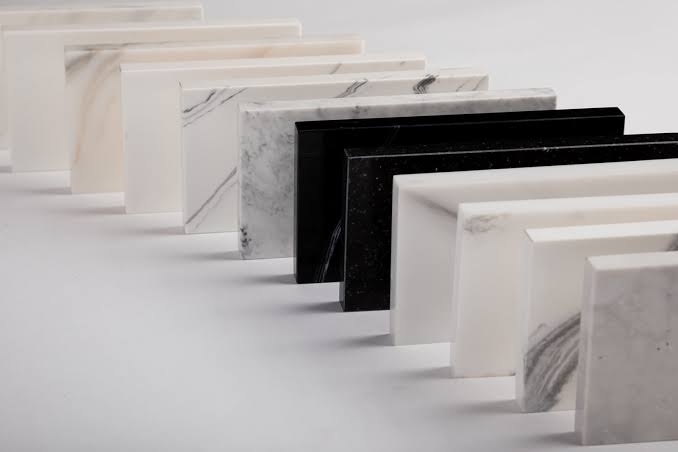
Solid surface materials have become an option for contemporary bathroom interiors because they offer design flexibility and can be fabricated into different shapes and configurations. Their smooth appearance and potential for coordinated designs make them suitable for various residential and commercial projects. Understanding how KKR Solid Surface can be incorporated into modern vanity designs helps homeowners, designers, and contractors evaluate material options according to their project requirements.
1. Creating a Clean and Seamless Appearance
One of the defining characteristics of modern bathroom design is visual simplicity. Designers often prefer clean lines, coordinated surfaces, and minimal decorative details to create an organized atmosphere.
Solid surface materials can support this approach through their ability to be fabricated into customized countertop shapes and coordinated components.
Integrated Vanity Designs
Depending on the material formulation and fabrication method, solid surface countertops can be combined with compatible washbasin designs.
This creates a more continuous visual appearance and reduces the number of visible transitions between different components.
Minimalist Surface Finishes
Smooth finishes and simple countertop profiles complement modern bathroom styles.
Neutral colors, understated textures, and carefully selected edge details can help create a balanced design without making the vanity appear overly decorative.
2. Supporting Different Bathroom Vanity Styles
Bathroom vanities are available in many designs, from compact wall-mounted units to large double-sink installations.
The flexibility of solid surface fabrication allows designers to explore different configurations according to the available space and intended appearance.
Floating Vanities
Floating vanities are mounted above the floor to create a lighter visual effect.
A solid surface countertop can complement this design by providing a streamlined top that works with wall-mounted cabinetry.
Freestanding Vanity Units
Freestanding vanities remain a popular choice in traditional and contemporary bathrooms.
A carefully selected solid surface countertop can coordinate with wooden, laminate, or other cabinet finishes.
Double-Sink Vanities
Larger bathrooms may accommodate double-sink arrangements for shared use.
Solid surface materials can be considered for customized countertop layouts that provide space for two basins while maintaining a consistent design.
3. Offering Flexible Color and Design Options
Color selection has a significant influence on the atmosphere of a bathroom.
A vanity countertop can either blend with the surrounding interior or create a visual contrast that draws attention to the main functional area.
Neutral Color Palettes
White, beige, gray, and other understated shades are frequently used in modern bathrooms.
These colors can complement different wall finishes, floor materials, mirrors, and cabinet styles.
Contrasting Combinations
Designers may also combine darker vanity cabinets with lighter countertops or use contrasting tones to create visual interest.
The best combination depends on the bathroom’s lighting, dimensions, and overall interior theme.
Coordinated Interior Elements
Matching the vanity countertop with shower areas, wall panels, or other bathroom surfaces can create a more unified appearance.
However, exact color matching should be confirmed through physical samples because finishes may look different under various lighting conditions.
4. Making Small Bathrooms Feel More Spacious
Space efficiency is an important consideration in apartments, compact homes, and smaller commercial bathrooms.
A well-planned vanity can provide essential functionality without making the room feel crowded.
Slim Countertop Profiles
A visually lightweight countertop can help maintain a sense of openness.
Designers should balance the desired appearance with the thickness and support requirements specified for the selected material.
Wall-Mounted Configurations
Floating vanity units expose more floor area, which can make a compact bathroom appear less congested.
Combining a wall-mounted cabinet with a suitably sized solid surface top can create a streamlined arrangement.
Compact Washbasin Layouts
Smaller washbasins can be incorporated into vanity designs where countertop space is limited.
The basin dimensions, faucet placement, and surrounding clearance should be planned together to maintain comfortable daily use.
5. Combining Aesthetic Appeal with Everyday Functionality
A modern bathroom vanity must do more than look attractive. It should provide a practical surface for washing, grooming, and storing frequently used personal care products.
Solid surface materials may offer useful design characteristics for these applications, depending on their specific composition and technical specifications.
Convenient Countertop Space
A well-designed countertop provides room for soap dispensers, toothbrush holders, cosmetics, and other everyday essentials.
The available surface area should be considered alongside basin dimensions and faucet placement.
Smooth Surface Maintenance
Many solid surface products feature smooth, relatively nonporous surfaces that can be convenient to clean.
However, cleaning requirements vary by formulation and finish, so users should follow the manufacturer’s care instructions.
Practical Edge Designs
Countertop edges influence both appearance and usability.
Rounded, square, or customized profiles can be selected according to the overall design, fabrication possibilities, and safety considerations.
6. Exploring Integrated Washbasin Designs
Integrated washbasins are frequently used in contemporary bathroom interiors because they create a coordinated relationship between the basin and countertop.
Some solid surface materials can be fabricated into basin and vanity combinations with a continuous visual finish.
Benefits of a Coordinated Appearance
An integrated design can reduce visible transitions and create a more organized countertop layout.
It can also help designers maintain consistent colors and surface finishes throughout the vanity area.
Planning Drainage and Faucet Placement
Although appearance is important, the basin must also function properly.
Designers should consider basin depth, drainage position, faucet reach, splash control, and user comfort before finalizing the design.
Fabrication Considerations
Integrated products require suitable fabrication techniques and careful finishing.
The quality of joints, edges, and drainage connections should be reviewed before installation.
7. Supporting Different Interior Design Themes
Bathroom vanities often serve as a central visual element, making material selection important for maintaining a consistent interior style.
Solid surface products can be considered for several design directions.
Contemporary Bathrooms
Contemporary designs often combine simple geometry, neutral colors, and practical storage.
A streamlined solid surface countertop can complement these elements.
Luxury-Inspired Interiors
Larger vanity tops, coordinated basins, decorative lighting, and carefully selected finishes can contribute to a refined bathroom atmosphere.
The final result depends on the complete combination of materials, fixtures, and detailing rather than the countertop alone.
Scandinavian-Inspired Bathrooms
Scandinavian interiors commonly emphasize natural textures, light colors, and functional simplicity.
A light-colored vanity surface can work well with wooden cabinetry and understated accessories.
Industrial-Style Bathrooms
Industrial bathrooms may feature concrete-inspired finishes, dark fixtures, and exposed structural details.
A solid surface countertop in a complementary shade can help balance these stronger visual elements.
8. Improving Storage and Organization Around the Vanity
Storage planning is essential for maintaining an uncluttered bathroom.
A vanity should provide convenient access to frequently used items while leaving enough countertop space for daily activities.
Drawer-Based Storage
Deep drawers can accommodate toiletries, towels, and grooming products.
Their internal organization can be customized with dividers to make better use of available space.
Cabinet Storage
Cabinet compartments provide room for larger bathroom essentials and cleaning supplies.
The cabinet layout should account for plumbing connections and allow sufficient access for maintenance.
Open Shelving
Open shelves can provide convenient storage for towels and decorative accessories.
Combining them with a coordinated countertop can create a balanced appearance without overwhelming the bathroom.
9. Considering Durability and Moisture Exposure
Bathroom surfaces are exposed to water splashes, humidity, cleaning products, and frequent contact with personal care items.
Material selection should therefore consider the environmental conditions of the installation.
Some solid surface formulations have relatively low-porosity characteristics, making them suitable for certain bathroom applications.
However, resistance to moisture, staining, chemicals, and physical damage varies between products.
Before purchasing, buyers should review the manufacturer’s technical documentation and confirm whether the selected product is appropriate for bathroom vanity use.
Proper installation is equally important. Countertop joints, basin connections, faucet openings, and plumbing areas should be finished and sealed according to the relevant installation requirements.
10. Customization for Residential and Commercial Projects
Different bathroom projects have different space limitations, design preferences, and operational needs.
Customization can help create vanity arrangements that match these requirements.
Residential Bathrooms
Homeowners may prefer customized dimensions, specific basin arrangements, and countertop colors that coordinate with their existing interiors.
A tailored vanity design can make better use of available wall space and storage areas.
Hotel Bathrooms
Hotels often require consistent bathroom designs across multiple rooms.
Standardized vanity dimensions and coordinated finishes can help maintain a unified appearance throughout a property.
Office and Public Facilities
Commercial bathrooms may prioritize easy maintenance, practical layouts, and suitability for frequent use.
Material specifications, installation quality, and cleaning requirements should be assessed before selecting a countertop for these environments.
11. Important Factors When Selecting a Solid Surface Vanity
Before choosing a solid surface countertop, buyers should evaluate more than its color and appearance.
The following factors can help guide the selection process:
- Bathroom dimensions: Measure the available wall length, depth, and installation height.
- Basin configuration: Determine whether an integrated, single, or double washbasin is required.
- Material specifications: Review composition, moisture-related performance, and maintenance requirements.
- Countertop thickness: Confirm that the selected dimensions meet structural and design requirements.
- Surface finish: Compare available textures, colors, and cleaning needs.
- Cabinet compatibility: Ensure that the countertop works with the supporting vanity structure.
- Installation requirements: Consider joints, plumbing openings, drainage, and wall support.
- Budget: Evaluate material, fabrication, transportation, and installation expenses together.
Taking these factors into account can help prevent design conflicts and unnecessary modifications during installation.
12. Maintenance Tips for Long-Lasting Vanity Appearance
Routine care helps preserve the appearance of bathroom surfaces.
Although specific maintenance procedures depend on the product, several general practices can be useful.
- Clean the countertop regularly with recommended cleaning products.
- Wipe away soap residue, cosmetics, and other spills.
- Avoid abrasive pads unless the manufacturer specifically permits their use.
- Do not expose the surface to strong chemicals without checking compatibility.
- Use suitable protective accessories when placing sharp or heavy objects on the countertop.
- Address damaged joints or plumbing connections promptly.
Following product-specific maintenance guidance helps reduce avoidable surface damage and supports long-term usability.
Conclusion
Modern bathroom vanity design requires a careful balance of appearance, functionality, space efficiency, and maintenance. KKR Solid Surface can be considered for a variety of vanity applications because solid surface materials offer options for coordinated colors, customized shapes, smooth finishes, and integrated design concepts.
From compact floating vanities to large double-sink installations, the right material and layout can help create a practical and visually consistent bathroom. However, successful results depend on selecting a suitable product formulation, reviewing technical specifications, and ensuring professional fabrication and installation. By considering these factors together, homeowners, designers, and project developers can create bathroom vanities that meet both aesthetic expectations and everyday requirements.