Modern interior designers face the challenge of creating spaces that combine visual appeal, functionality, durability, and efficient use of available space. Whether designing residential bathrooms, hotel interiors, commercial washrooms, or luxury developments, they must select materials and products that satisfy both aesthetic preferences and practical requirements. As design expectations continue to evolve, manufacturers are expected to provide flexible solutions that support different architectural concepts and project specifications.
Solid surface materials and contemporary bathroom products have become valuable options in this changing design environment. Companies such as KingKonree contribute to this market through their focus on solid surface materials and bathroom products. Their product offerings reflect the growing demand for adaptable designs, coordinated finishes, and practical solutions that help interior designers transform creative concepts into functional spaces.
Understanding the Needs of Modern Interior Designers
Interior designers must consider several factors when selecting materials and fixtures for a project. Every decision affects the overall appearance, usability, and long-term performance of the finished space.
Modern design projects commonly require:
- Materials that complement different interior styles.
- Products available in multiple shapes, sizes, and finishes.
- Durable surfaces suitable for regular use.
- Practical maintenance and cleaning requirements.
- Customization options for specialized layouts.
- Consistent product quality and reliable specifications.
- Solutions that meet project budgets and installation schedules.
Manufacturers that understand these requirements can provide products that make the design and specification process more efficient.
How Solid Surface Materials Support Creative Interior Design
Solid surface materials offer several characteristics that make them useful in contemporary architectural and interior applications. Their engineered composition allows manufacturers to produce products with different colors, patterns, thicknesses, and shapes.
Greater Design Flexibility
One of the main advantages of solid surface materials is their adaptability. Designers can incorporate them into countertops, washbasins, bathtubs, wall panels, and other interior features.
Depending on the material and fabrication method, these surfaces can also accommodate curved forms and integrated configurations.
This flexibility allows designers to explore different concepts without being restricted to conventional product dimensions and shapes.
Smooth and Seamless-Looking Installations
Modern interiors frequently emphasize clean lines and uncluttered appearances. Solid surface components can be joined using specialized fabrication techniques to create visually continuous installations.
This is particularly useful for integrated countertops and washbasins, where reducing visible joints helps achieve a streamlined design.
Consistent Surface Appearance
Consistency is important when several materials and fixtures are used within the same interior. Solid surface products are available in different finishes that can complement cabinetry, flooring, wall coverings, and decorative elements.
Designers can use these options to establish a coordinated appearance throughout a project.
Supporting Contemporary Bathroom Design Concepts
Bathrooms are among the most important spaces where designers combine technical requirements with visual creativity. Fixtures must provide practical functionality while contributing to the overall interior concept.
Modern Washbasin Designs
Washbasins are prominent bathroom features that influence both appearance and everyday convenience.
Interior designers can choose from several configurations, including:
- Countertop washbasins for distinctive vanity arrangements.
- Integrated basins for coordinated countertop installations.
- Wall-mounted basins for compact bathrooms.
- Freestanding designs for more decorative interiors.
Solid surface materials can support different shapes and configurations, allowing designers to select products that complement specific layouts.
Functional Bathroom Vanities
Vanities provide storage and washing facilities while contributing to the bathroom’s overall appearance. Designers often prefer coordinated countertops, practical storage arrangements, and finishes that complement surrounding fixtures.
Solid surface countertops can be combined with different cabinet styles and basin configurations to create organized and visually balanced vanity areas.
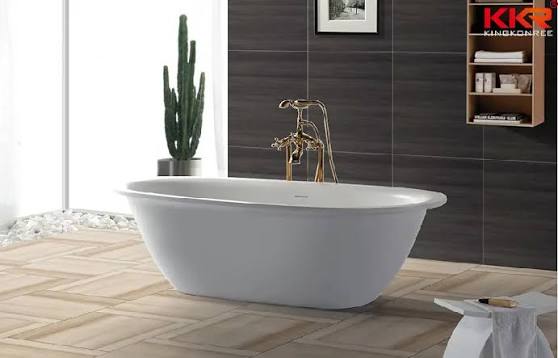
Contemporary Bathtub Solutions
Bathtubs can become central design features in residential and hospitality interiors. Their shape, material, dimensions, and installation position influence the appearance and functionality of the bathroom.
Freestanding bathtubs are often used in spacious interiors, while compact models can accommodate smaller layouts. Designers must consider available floor space, plumbing requirements, and user comfort when specifying these products.
Customization Options for Different Interior Projects
Not every interior project follows standard dimensions or design requirements. Residential renovations, boutique hotels, and commercial developments may require customized products to achieve the desired result.
Flexible manufacturing capabilities help address these challenges.
Customized Dimensions and Shapes
Customized countertops, washbasins, and other bathroom components can help designers work with unusual room dimensions.
This is particularly useful in properties where existing structural elements limit the installation of standard products.
Different Colors and Finishes
Color selection influences the atmosphere of an interior. Neutral shades can create calm and understated environments, while distinctive patterns and finishes can introduce visual character.
A variety of surface options gives designers more freedom to coordinate bathroom products with the broader interior palette.
Project-Specific Product Configurations
Some projects require integrated fixtures or specialized product arrangements. Custom manufacturing can help accommodate these needs when supported by appropriate technical specifications and production capabilities.
Before confirming an order, designers should review drawings, dimensions, samples, and installation requirements to reduce the possibility of inconsistencies.
Balancing Aesthetics with Practical Performance
A successful interior design solution must perform well after installation. Beautiful materials are not sufficient if they create maintenance difficulties or fail to meet the functional requirements of the space.
Designers therefore need to evaluate both appearance and technical characteristics.
Durability for Everyday Use
Bathroom surfaces experience frequent contact with water, personal care products, and cleaning materials. Commercial installations may also experience heavier usage.
Selecting materials suitable for the intended environment helps maintain product condition over time.
Easy Cleaning and Maintenance
Smooth surfaces can make routine cleaning more convenient. Many solid surface formulations also have non-porous characteristics, which can help limit liquid absorption.
However, cleaning requirements and chemical resistance vary between products. Designers should review manufacturer specifications before recommending particular materials.
Long-Term Appearance
Color consistency, surface quality, and repair options influence how materials perform visually over time.
Some solid surface products can be refinished to address minor scratches, depending on their composition and finish. This can be useful in interiors where maintaining a consistent appearance is important.
The Importance of Manufacturing Quality and Technical Support
Interior designers depend on accurate product information when preparing project specifications. Incorrect dimensions, inconsistent finishes, or incomplete technical details can create problems during installation.
Manufacturing quality and technical documentation therefore play an important role in product selection.
Important considerations include:
- Material specifications: Clear information about composition and performance characteristics.
- Dimensional accuracy: Products manufactured according to approved measurements.
- Surface consistency: Uniform finishes and acceptable visual quality.
- Quality inspection: Appropriate checks throughout manufacturing.
- Installation guidance: Clear instructions and technical requirements.
- Product documentation: Relevant testing information, certifications, and warranty details.
Reliable technical information helps designers communicate effectively with contractors, suppliers, and project owners.
How Interior Designers Use Solid Surface Products in Different Projects
Solid surface materials and bathroom products are suitable for various interior environments when their specifications match the intended application.
Residential Properties
Homeowners often want bathrooms that reflect their personal preferences while remaining comfortable and practical.
Designers can use solid surface countertops, coordinated washbasins, and contemporary fixtures to create customized interiors. Compact configurations are also useful in apartments where space efficiency is important.
Hotels and Hospitality Interiors
Hospitality projects require attractive and coordinated bathrooms that support a consistent guest experience.
Designers often prioritize durable materials, easy maintenance, and products that complement the hotel’s overall architectural theme.
Customized vanities and integrated washbasins can help maintain visual consistency across multiple guest rooms.
Office and Commercial Buildings
Commercial interiors generally require practical fixtures and surfaces that can accommodate regular use.
Solid surface countertops, washbasins, and other suitable bathroom components can contribute to organized and professional environments.
Retail and Public Spaces
Retail developments, shopping centers, and public buildings often require bathroom designs that balance appearance, accessibility, and maintenance requirements.
Product selection should account for expected usage, available space, cleaning schedules, and relevant building regulations.
Space Optimization Through Modern Product Design
Efficient space utilization is a major consideration in contemporary interior design. Designers must often work within limited dimensions while ensuring that essential functions remain accessible.
Modern bathroom products provide several opportunities to improve spatial planning.
Compact Bathroom Fixtures
Smaller washbasins and appropriately sized vanities can help maintain movement space in compact bathrooms.
Selecting products with suitable dimensions prevents overcrowding and improves everyday usability.
Wall-Mounted Installations
Wall-mounted basins and floating vanities can create a lighter visual appearance by exposing more floor area.
These configurations may also make floor cleaning more convenient, provided that the installation includes appropriate structural support.
Integrated Components
Combining different bathroom elements into coordinated installations can reduce visual clutter.
Integrated countertops and washbasins are particularly useful in minimalist interiors, where designers aim to maintain simple and consistent surface lines.
Factors Interior Designers Should Consider When Selecting a Manufacturer
Choosing the right manufacturing partner is important for maintaining project quality and meeting delivery requirements.
Design professionals should evaluate several aspects before making a decision:
- Product range: Whether the manufacturer offers suitable materials and bathroom fixtures.
- Customization capabilities: Whether specialized shapes, dimensions, and finishes are available.
- Manufacturing experience: Whether the company has relevant experience with similar products.
- Quality management: Whether production and inspection procedures are clearly established.
- Technical documentation: Whether product specifications and installation information are available.
- Sample availability: Whether designers can examine material colors, textures, and finishes before ordering.
- Production and delivery schedules: Whether the manufacturer can meet the project’s expected timeline.
- After-sales support: Whether assistance is available for technical questions and product-related concerns.
Evaluating these factors helps designers choose products based on actual project requirements rather than appearance alone.
Future Trends Influencing Interior Design Solutions
The requirements of interior designers continue to change as new technologies, materials, and architectural preferences emerge.
Sustainable Material Selection
Environmental responsibility is becoming a more significant consideration in interior design. Designers increasingly examine material sourcing, manufacturing waste, product lifespan, and maintenance requirements.
Manufacturers are exploring more efficient production methods and alternative material formulations to address these concerns.
Smart Bathroom Integration
Smart mirrors, touchless faucets, automated lighting, and intelligent shower systems are influencing contemporary bathroom planning.
Designers must consider how these technologies can be integrated without compromising the visual consistency of the space.
Increased Personalization
Customized dimensions, unique finishes, and distinctive product configurations are expected to remain important.
Manufacturers with flexible production capabilities can help designers develop solutions that better match individual project concepts.
Minimalist and Integrated Interiors
Minimalist design continues to influence residential and commercial architecture. Smooth surfaces, integrated fixtures, neutral colors, and simple geometric forms remain popular choices.
Solid surface materials can support many of these approaches through their adaptable fabrication characteristics.
Conclusion
Modern interior designers need materials and products that balance creativity with practical performance. Solid surface materials and contemporary bathroom fixtures provide opportunities to develop customized, visually coordinated, and functional environments across residential and commercial projects.
KingKonree reflects the role of specialized manufacturers in meeting these evolving design requirements through its focus on solid surface materials and bathroom products. Material versatility, product customization, manufacturing quality, and suitable technical information are all important considerations when selecting solutions for modern interiors.
As architectural expectations continue to evolve, manufacturers that combine design flexibility with reliable product performance will remain valuable contributors to the interior design industry.