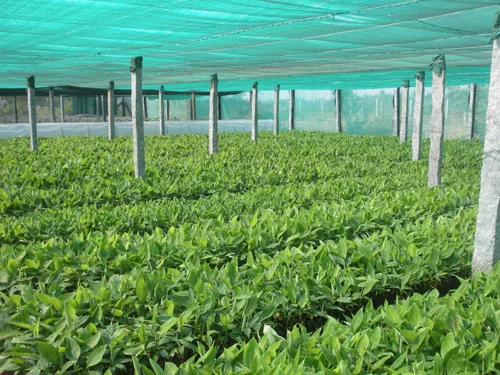
Tissue culture propagation has become an important method for producing large quantities of uniform, healthy plants. For commercial growers, nurseries, and distributors, quality standards help ensure that plants arrive with strong growth potential and remain consistent throughout production.
When evaluating Wholesale Tissue Culture Plants, buyers should look beyond plant quantity and consider factors such as genetic uniformity, cleanliness, root development, acclimatization, and overall plant health. These characteristics can directly affect survival rates and subsequent crop performance.
What Are Tissue Culture Plants?
Tissue culture plants are propagated under controlled laboratory conditions from small pieces of plant tissue. The process allows growers to produce many plants from selected source material while maintaining relatively consistent characteristics.
Because the plants begin their development in a sterile environment, quality control during propagation is particularly important. Proper handling at each stage can reduce contamination and support healthy development after plants leave the laboratory.
Key Quality Standards to Consider
Genetic Uniformity
Uniformity is one of the main advantages of tissue culture propagation. Plants should maintain the expected characteristics of the original plant material, including growth habit, leaf characteristics, and other commercially important traits.
Reliable propagation protocols and carefully selected source plants can help reduce unwanted variation between batches.
Plant Health and Contamination Control
A high-quality tissue culture plant should be free from visible contamination and abnormal growth. Laboratories typically use controlled environments, sterilized equipment, and carefully monitored culture conditions to reduce the risk of bacterial or fungal contamination.
Quality checks should continue throughout propagation rather than being performed only before shipment.
Root and Shoot Development
Healthy shoots and well-developed roots are important indicators of plant readiness. Plants that have adequate growth before leaving the controlled environment are generally better prepared for the transition to nursery conditions.
Excessively weak, damaged, or poorly developed plantlets may require additional recovery time and careful management after delivery.
The Importance of Acclimatization
Plants grown in laboratory vessels experience high humidity, controlled light, and carefully regulated nutrient conditions. Moving them directly into a normal growing environment can therefore create significant stress.
Acclimatization gradually prepares plantlets for lower humidity, stronger light, and natural environmental fluctuations. A well-managed transition can improve establishment and reduce losses during the early nursery stage.
Quality Checks Before Shipment
Before tissue culture plants are shipped, commercial buyers can consider several practical indicators:
- Plantlets should show healthy, consistent growth.
- Leaves and shoots should be free from obvious damage or abnormal discoloration.
- Roots should be adequately developed for the plant’s stage of growth.
- Containers or culture vessels should be free from visible contamination.
- Batch information should be documented for traceability.
- Packaging should protect plants from excessive temperature changes and physical damage.
These checks provide a useful starting point when comparing different suppliers or production batches.
Why Batch Consistency Matters
For commercial cultivation, consistency can be just as important as the quality of individual plants. A batch with significant differences in size or development may require separate handling, making irrigation, lighting, nutrition, and transplanting more difficult to manage.
Consistent production standards help growers plan nursery operations more efficiently and establish more predictable production schedules.
Supplier Documentation and Traceability
Professional tissue culture production should include appropriate records for propagation batches. Depending on the crop and intended market, useful information may include cultivar identity, propagation date, batch number, plant stage, and phytosanitary documentation.
Traceability is particularly valuable when a grower needs to investigate differences between batches or monitor plant performance after transplantation.
Evaluating Quality Beyond Appearance
Visual inspection is useful, but appearance alone does not provide a complete picture of plant quality. A plant may look healthy inside a culture vessel yet still need careful acclimatization before it can thrive under nursery conditions.
For this reason, buyers should consider the entire production process, from source material and laboratory propagation to rooting, acclimatization, packaging, and transportation.
Final Considerations
Quality standards for tissue culture plants involve several connected factors rather than a single measurement. Genetic consistency, contamination control, plant development, acclimatization, documentation, and shipment conditions all contribute to the quality of a commercial batch.
By understanding these criteria, growers and distributors can make more informed purchasing decisions and establish practical quality expectations for future tissue culture production.