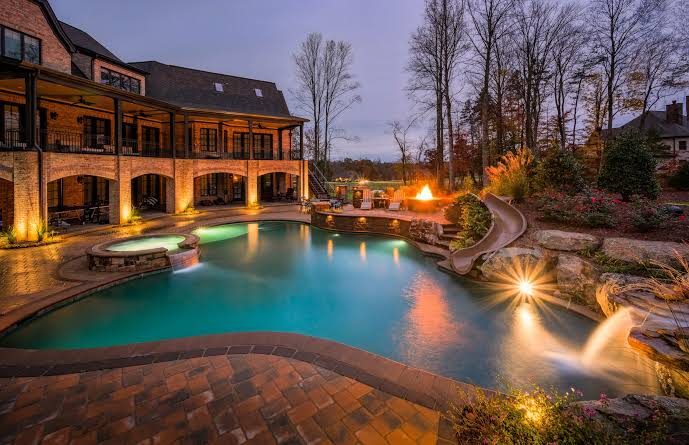
A well-designed outdoor space can provide a comfortable place to relax, spend time with family, and enjoy recreational activities at home. Adding a swimming pool can make this area more functional while creating opportunities for exercise, entertainment, and relaxation. However, the value of a pool depends on how well its design fits the property and the homeowner’s needs.
A thoughtfully planned Custom Swimming Pool allows homeowners to select dimensions, shapes, materials, and features that complement their outdoor environment. Unlike a standard layout, a customized design can accommodate specific space limitations and lifestyle preferences, helping create a more practical and enjoyable residential setting.
1. Makes Better Use of Available Outdoor Space
One of the main benefits of a custom-designed pool is the ability to adapt it to the available area. Every property has different dimensions, landscaping features, and architectural limitations, so a flexible design can help homeowners use their outdoor space more effectively.
For example, a narrow backyard may accommodate a long, slim swimming pool, while a spacious garden might support a larger rectangular or freeform layout. Courtyard properties can also benefit from compact designs that provide recreational value without occupying the entire area.
Careful planning ensures that the pool leaves sufficient room for pathways, seating, landscaping, and other outdoor activities.
2. Creates a Personalized Outdoor Environment
A swimming pool can become a central feature of a residential landscape. Customization allows homeowners to coordinate its appearance with the architecture of the house, existing garden features, and preferred outdoor design style.
Modern homes may benefit from clean geometric shapes and understated finishes, while traditional properties can incorporate softer curves and natural-looking materials.
Homeowners can also select details such as interior colors, surrounding paving, lighting, and water features. These choices help create a consistent appearance across the outdoor environment rather than treating the pool as an isolated addition.
3. Supports Exercise and Physical Fitness
Swimming is a low-impact physical activity that can support cardiovascular fitness, muscular endurance, and overall physical conditioning. Having a pool at home makes it easier to incorporate regular swimming into a personal exercise routine.
The design can be tailored to different fitness goals. A longer pool may suit lap swimming, while a compact pool equipped with a suitable resistance-current system may support stationary swimming in limited space.
Homeowners should consider their exercise habits before selecting the pool’s dimensions and equipment. A design that supports regular use is more likely to provide lasting practical benefits than one chosen solely for appearance.
4. Provides a Convenient Place for Relaxation
A residential swimming pool can create a private setting for unwinding after work or enjoying quiet time outdoors. The combination of water, fresh air, and comfortable surroundings may make the backyard more inviting throughout suitable weather conditions.
Features such as built-in benches, shallow lounging areas, shaded seating, and carefully positioned lighting can improve comfort. Landscaping and privacy screens may also help create a more secluded atmosphere.
The most effective relaxation-focused design does not necessarily require a large pool. A smaller, well-organized layout can provide a comfortable retreat while keeping maintenance requirements manageable.
5. Improves Family Recreation Opportunities
A home swimming pool can provide a convenient setting for family activities without requiring regular trips to public swimming facilities. It can encourage shared recreational time and offer opportunities for children and adults to enjoy water-based activities together.
A customized layout can account for different household needs by incorporating appropriate entry steps, clearly defined shallow areas, and comfortable surrounding spaces.
Safety must remain a priority throughout the design process. Secure barriers, slip-resistant surfaces, visible depth changes, and suitable lighting are important considerations. Children require active adult supervision around water, regardless of the pool’s size or safety features.
6. Creates a Better Space for Entertaining Guests
A swimming pool can make an outdoor area more suitable for gatherings, celebrations, and casual social events. When the layout is planned carefully, the pool can work alongside patios, outdoor dining spaces, and seating areas.
The surrounding environment is just as important as the water itself. Homeowners should allow enough space for guests to move comfortably, access seating, and avoid congested pathways.
Lighting can support evening gatherings, while shaded areas provide comfort during warmer weather. Durable outdoor furniture and practical paving can also make the space easier to use and maintain.
A well-integrated design helps the backyard function as a complete entertainment area rather than simply a place to swim.
7. Offers Greater Flexibility in Design
Standard pool designs may not suit every property or household. A custom approach gives homeowners more flexibility when choosing the shape, dimensions, depth, finishes, and selected features.
For example, a property with an irregular boundary may benefit from a carefully shaped pool that fits the available space. Homeowners with specific fitness goals may prioritize length, while those seeking relaxation may prefer a compact layout with integrated seating.
Customization also makes it possible to coordinate the pool with existing structures and landscaping. However, the final design must remain practical in terms of engineering, construction requirements, and ongoing maintenance.
8. Can Complement Property Value and Appeal
A professionally designed swimming pool may improve the visual appeal of a property and attract buyers who value outdoor recreation. Its contribution to resale value, however, depends on several factors, including local market preferences, construction quality, maintenance condition, and the property’s overall price range.
In some markets, a pool may be viewed as a desirable feature. In others, potential buyers may be concerned about upkeep, operating expenses, or safety responsibilities.
Homeowners should therefore evaluate a pool primarily in terms of personal enjoyment and practical usefulness rather than assuming it will guarantee a financial return.
A durable design, efficient equipment, and a well-maintained surrounding area can help preserve the property’s overall presentation.
9. Encourages More Frequent Outdoor Living
Adding a swimming pool can make a backyard more appealing for everyday use. Instead of serving only as a garden or occasional gathering space, the outdoor area can become a destination for relaxation, exercise, and recreation.
The surrounding design plays a significant role in this benefit. Comfortable seating, shade, accessible pathways, and attractive landscaping can encourage people to spend more time outdoors.
A pool that is easy to access and maintain may be more useful than a larger, elaborate installation that requires considerable preparation before each use.
Homeowners should plan the entire outdoor area together so that the pool supports a range of activities throughout the year.
10. Allows Better Integration of Modern Features
A customized pool can incorporate equipment and features that improve convenience, comfort, and operating efficiency. Depending on the design and budget, these may include energy-efficient pumps, automated controls, pool covers, heating systems, and underwater lighting.
Automation can simplify selected tasks, such as scheduling filtration or controlling lighting. Efficient pumps may help reduce electricity consumption when correctly sized and operated, while pool covers can limit evaporation and heat loss.
These features should be evaluated according to actual household needs. Their installation costs, compatibility, maintenance requirements, and potential operating savings should be considered before making a decision.
Planning the necessary plumbing and electrical connections during construction can also make future upgrades easier.
11. Provides Opportunities for Space-Efficient Designs
Homeowners do not need a large backyard to enjoy the benefits of a swimming pool. Compact designs can provide useful recreational features while preserving space for gardens, walkways, and seating.
A plunge pool may suit homeowners who primarily want a place to cool off and relax. A narrow lap pool may be more appropriate for exercise, while a small geometric pool can complement a courtyard or contemporary patio.
The key is to prioritize the intended function rather than focusing only on water volume. Accurate measurements and a clear layout help ensure that the finished pool fits comfortably within the property.
12. Supports Long-Term Convenience Through Thoughtful Planning
A pool’s benefits depend partly on how easily it can be maintained over time. Customization provides an opportunity to plan equipment access, drainage, filtration, and surrounding surfaces according to the property’s conditions.
Simple layouts may be easier to clean, while durable finishes can reduce the frequency of certain repairs. Appropriate circulation and filtration systems help maintain water quality, and accessible equipment areas make servicing more convenient.
Homeowners should also account for ongoing expenses, including electricity, chemicals, water, and routine maintenance. Selecting features with practical long-term value can help keep ownership manageable.
13. Helps Create a Cohesive Landscape Design
A swimming pool can serve as an anchor for the wider outdoor landscape. When its shape, materials, and positioning are coordinated with the house and garden, the entire property can feel more organized.
For example, stone paving may complement a natural landscape, while simple concrete surrounds can suit modern architecture. Carefully selected plants can provide shade and privacy without creating excessive debris or interfering with the pool structure.
Drainage, mature plant sizes, and safe access routes should be considered during the planning stage. These details help preserve the appearance and functionality of the space after construction is complete.
14. Encourages Thoughtful Investment in Outdoor Living
Building a swimming pool is a substantial financial commitment, so it is important to identify which features will provide the greatest practical benefit. A custom design allows homeowners to prioritize essential requirements and avoid spending unnecessarily on features they are unlikely to use.
Start with the intended purpose, available space, and overall budget. Then evaluate optional features according to their installation costs, maintenance requirements, and expected frequency of use.
Obtaining detailed estimates from qualified contractors can help compare different designs and identify potential construction challenges. A realistic budget should include both the initial installation and long-term operating expenses.
Conclusion
Building a custom swimming pool can transform an outdoor space into a more versatile environment for exercise, relaxation, family recreation, and entertaining guests. The flexibility to select suitable dimensions, shapes, materials, and features helps homeowners create a design that complements their property and lifestyle.
The greatest benefits come from thoughtful planning rather than size or appearance alone. By considering safety, maintenance, energy efficiency, landscaping, and total ownership costs, homeowners can create a practical swimming environment that provides enjoyment and functionality for years to come.