Planning a new bowling center involves more than choosing lanes and bowling balls. Equipment selection affects the facility’s layout, installation schedule, maintenance requirements, operating costs, and overall customer experience.
Working with an experienced Bowling Equipment Manufacturer can help project planners understand technical requirements and coordinate equipment with the facility’s design. The right approach starts with defining the project’s needs before comparing products and suppliers.
Define the Bowling Center’s Requirements
Before contacting manufacturers, establish the basic requirements of the project. The planned number of lanes, expected usage, target audience, available floor space, and type of bowling experience will influence equipment decisions.
Consider whether the facility will primarily serve recreational customers, competitive bowlers, families, corporate groups, or a combination of audiences. These details can help narrow the range of suitable equipment.
Plan the Number and Layout of Lanes
Lane quantity and layout are central to a new bowling center. The design needs to account for the playing area as well as approaches, seating, ball returns, machinery, walkways, service areas, and other facility requirements.
Manufacturers can provide equipment dimensions and installation specifications that architects and contractors can incorporate into the overall building plan.
Determine Equipment Requirements
A new center may require several categories of equipment. Creating a complete equipment list early in the project can make budgeting and planning easier.
Common requirements may include:
- Bowling lanes and lane components
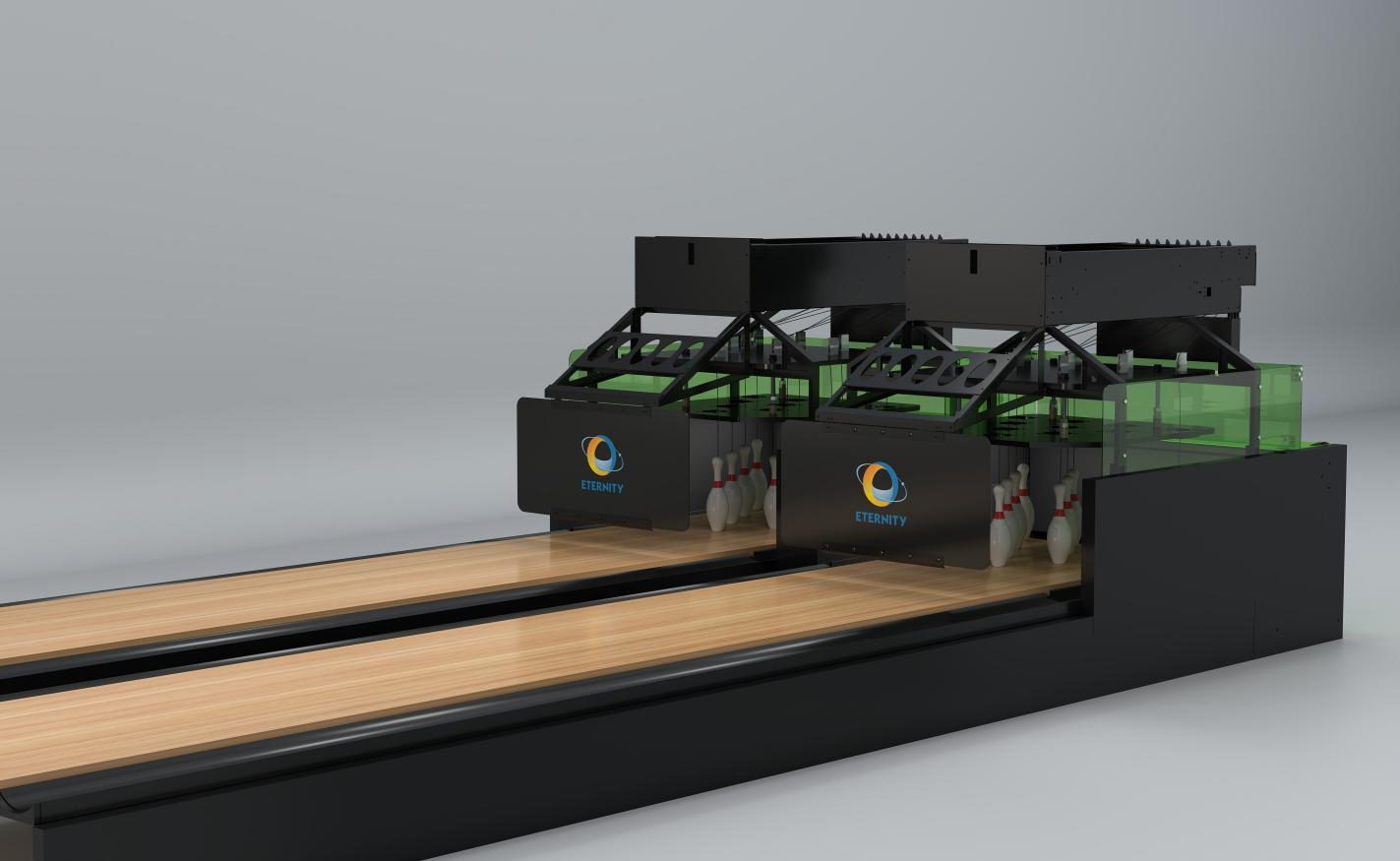
- Pinsetting equipment
- Ball return systems
- Bowling pins and balls
- Digital scoring systems
- Control and communication equipment
- Seating and player-area equipment
- Maintenance tools and replacement parts
The exact requirements depend on the facility’s design and operating model.
Consider Scoring and Digital Technology
Modern bowling centers often use digital scoring systems to calculate and display game information. Depending on the facility, these systems may also connect with customer management, lane control, payment, or entertainment platforms.
When selecting digital equipment, check software compatibility, networking requirements, display options, technical support, and potential future upgrades.
Evaluate Equipment Compatibility
Individual systems need to work together effectively. Lane dimensions, pinsetters, ball returns, scoring equipment, electrical systems, and control components should be reviewed as part of an integrated plan.
Compatibility should be confirmed before purchasing equipment from multiple suppliers. Technical specifications and installation documentation can help prevent costly modifications later.
Review Installation Requirements
Installation planning should begin well before equipment arrives. Manufacturers may provide information about floor preparation, electrical connections, structural requirements, clearances, ventilation, and access for installation.
Coordinate these requirements with architects, contractors, electricians, and other project professionals. Early coordination can reduce delays during the installation phase.
Plan for Maintenance and Service Access
Equipment should not only fit the facility but also remain accessible for routine maintenance and repairs. Service areas and access points should be considered during the design stage.
Ask manufacturers about recommended maintenance schedules, inspection procedures, replacement components, and access requirements. Designing for maintenance can make future servicing more efficient.
Compare Manufacturing Quality
Product quality is particularly important for a new bowling center because equipment may be expected to operate for many years. Review materials, manufacturing processes, quality-control procedures, testing, and applicable specifications.
Rather than evaluating equipment solely on initial price, consider durability, expected maintenance, replacement requirements, and long-term operating costs.
Check Production Capacity and Lead Times
New bowling center projects often operate according to construction and opening schedules. Equipment delays can affect installation and potentially postpone other project activities.
Before placing an order, confirm production capacity, estimated lead times, shipping arrangements, and procedures for handling unexpected delays. These details should be included in the project schedule.
Understand Warranty and Technical Support
Warranty terms and technical support can be important after installation. Ask what is covered, how claims are processed, and whether technical assistance is available for troubleshooting or maintenance.
It is also useful to confirm the availability of replacement parts and the expected support period for electronic and mechanical systems.
Consider Future Expansion
A new center may eventually add lanes, upgrade scoring technology, replace equipment, or expand other services. Planning for future changes can help avoid unnecessary limitations in the original design.
Discuss potential expansion requirements with the manufacturer and project team. Electrical capacity, network infrastructure, floor space, and equipment compatibility may all affect future upgrades.
Establish a Realistic Equipment Budget
Equipment costs should be considered alongside installation, transportation, infrastructure modifications, maintenance, and future replacement requirements.
A detailed budget can help project planners distinguish between essential equipment and optional features. It can also reduce the risk of unexpected expenses during installation.
Create a Project Checklist
Before selecting a manufacturer, review the following areas:
- Required number of lanes and equipment configuration
- Product specifications and compatibility
- Manufacturing quality and testing
- Installation requirements
- Production and delivery schedule
- Warranty and technical support
- Replacement-part availability
- Maintenance requirements
- Future expansion possibilities
- Total project cost
Having these details organized makes it easier to compare proposals and identify gaps before signing an agreement.
Final Thoughts
Selecting equipment for a new bowling center is a long-term decision that involves design, engineering, budgeting, installation, and ongoing maintenance. Careful planning can help ensure that individual systems work together and meet the facility’s operational requirements.
By defining project needs, reviewing technical specifications, evaluating manufacturers, and planning for installation and future maintenance, project owners can make more informed equipment decisions and build a stronger foundation for long-term facility operations.