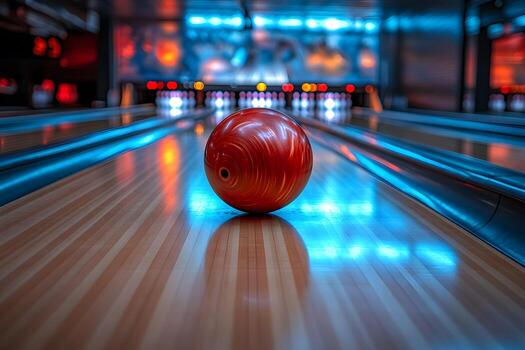
Synthetic bowling lanes are designed to provide a consistent playing environment while supporting the practical demands of commercial bowling facilities. Their performance depends on more than the visible surface, as construction, installation, equipment integration, and maintenance all contribute to the finished system.
When evaluating these systems, a Synthetic Bowling Lane Manufacturer can provide information about construction methods, material specifications, installation requirements, and recommended maintenance. Understanding these factors helps bowling center owners assess how a lane system is intended to perform during regular use.
Surface Consistency
A consistent playing surface is an important performance consideration.
Synthetic materials can be manufactured with controlled characteristics across multiple lane sections. Consistent production helps create a uniform surface when the components are correctly installed and maintained.
Dimensional Accuracy
Lane dimensions affect both performance and installation quality.
Manufacturers establish specifications for lane width, length, thickness, and related components. Quality-control procedures help ensure that manufactured parts remain within their required tolerances.
Smooth Transitions
Transitions between different sections of the bowling area need careful attention.
The relationship between the approach, foul line, lane surface, gutters, and surrounding flooring can affect both player movement and the overall appearance of the installation.
Proper installation helps maintain appropriate transitions between these areas.
Stable Supporting Structure
A synthetic surface relies on the structure beneath it.
The supporting layers and subfloor need to provide adequate stability. Manufacturers typically specify requirements for the installation substrate so that the completed lane can maintain its intended alignment.
Approach Surface Considerations
The approach is an important area from a player-safety and usability perspective.
It should be maintained according to the manufacturer’s recommendations and kept free from excessive contamination, moisture, or other conditions that could interfere with normal player movement.
Foul Line Accuracy
The foul line serves as a clear boundary between the approach and playing surface.
Accurate positioning during installation helps maintain the intended lane layout. The surrounding area should also remain clean and properly maintained during normal operation.
Lane Markings
Bowling lane markings provide visual references for players.
Consistent placement and clear visibility contribute to the usability of the playing surface. Manufacturers can provide specifications for how markings are produced, positioned, and maintained.
Gutter Integration
Gutters are designed to work alongside the lane surface.
Their alignment and condition should be checked during installation and routine inspections. Damaged or improperly positioned gutter components may require adjustment or replacement.
Edge Protection
Lane edges can be exposed to contact during routine facility operation.
Appropriate edge construction and support can help maintain the condition of these areas. Regular inspections can identify damage before it develops into a larger maintenance issue.
Joint Construction
Where synthetic lane sections meet, joint construction becomes important.
Well-designed joints can help maintain surface continuity and dimensional stability. Installers should follow the manufacturer’s specified joining procedures and use compatible materials.
Pin Deck Performance
The pin deck needs to work correctly with the selected pinsetting equipment.
Its dimensions, construction, and positioning should be coordinated with the equipment installation. Proper alignment can support reliable interaction between the lane and pinsetter.
Compatibility With String Pinsetters
String pinsetter systems have specific equipment interfaces.
When a facility uses this technology, the lane manufacturer and equipment supplier should coordinate installation requirements. This can help ensure that the pin deck and associated lane components are positioned correctly.
Ball Return Integration
Ball return equipment must also fit within the lane layout.
Proper positioning can help maintain player circulation and equipment access. Installation planning should account for the space required by the selected ball return configuration.
Surface Durability
Synthetic lane materials are commonly selected with repeated use in mind.
Commercial bowling centers can experience substantial daily traffic, so manufacturers consider material characteristics relevant to long-term use. However, durability also depends on appropriate cleaning, operation, and maintenance.
Resistance to Routine Wear
Repeated bowling activity exposes lane surfaces to regular contact from bowling balls and other equipment.
Manufacturers can select materials and construction methods intended to withstand normal operating conditions. Facility operators should still monitor high-use areas for signs of wear.
Cleaning Compatibility
Regular cleaning is necessary for maintaining lane performance.
Cleaning products and procedures should be selected according to the manufacturer’s recommendations. Using unsuitable chemicals, abrasive equipment, or excessive cleaning methods can potentially affect the surface.
Contamination Control
Dust, oil, moisture, and other contaminants can accumulate during normal bowling operations.
A consistent cleaning program helps keep the lane and surrounding areas in suitable condition. Staff should understand which cleaning methods are approved for the specific lane system.
Environmental Stability
Temperature and humidity can influence certain construction materials.
Manufacturers may establish storage and installation conditions to help components maintain their intended dimensions and characteristics. Facility operators should also consider the building environment when planning long-term maintenance.
Proper Installation
Even a technically well-designed lane can experience problems if it is installed incorrectly.
Installation teams need to follow the manufacturer’s specifications for substrate preparation, component positioning, joining, alignment, and equipment interfaces.
Quality-Control Inspections
Quality assurance can address both safety-related and performance-related characteristics.
Manufacturing inspections may include:
- Dimensional measurements
- Surface inspections
- Material verification
- Edge checks
- Joint evaluation
- Marking inspection
- Final product review
These procedures help confirm that components meet established specifications.
Routine Safety Inspections
Bowling center operators should inspect the lane environment regularly.
Checks can include the approach, foul line, lane edges, gutters, surrounding flooring, and equipment interfaces. Problems should be addressed according to the manufacturer’s maintenance guidance.
Maintaining the Approach
The approach deserves particular attention because bowlers move across it during delivery.
Operators should keep it clean and dry and inspect it for damage or conditions that could affect normal movement. Any maintenance products used should be approved for the particular surface.
Protecting the Lane During Maintenance
Maintenance equipment should be suitable for synthetic surfaces.
Operators should avoid unauthorized modifications, aggressive abrasives, or cleaning procedures that are not supported by the manufacturer. Proper equipment selection can help preserve both surface condition and appearance.
Repairing Damage Promptly
Small problems can become more complicated when they are ignored.
Cracks, damaged edges, loose components, or other installation issues should be assessed promptly. Depending on the situation, the affected component may require professional repair or replacement.
Staff Training
Employees who maintain bowling lanes should understand the facility’s maintenance procedures.
Training can cover cleaning products, equipment use, inspection routines, spill response, and procedures for reporting damage.
Consistent staff practices can reduce avoidable maintenance problems.
Keeping Maintenance Records
A maintenance log can help operators track the condition of the bowling lanes.
Records may include cleaning dates, inspections, repairs, replacement components, and any unusual problems. This information can also help identify recurring issues.
Manufacturer Documentation
Technical documentation provides an important reference for operators and installers.
Useful information can include product specifications, installation instructions, approved cleaning methods, repair guidance, replacement information, and equipment compatibility requirements.
Questions to Ask a Manufacturer
Before selecting a synthetic bowling lane system, buyers can ask:
- What materials are used in the lane construction?
- What surface characteristics are specified?
- What installation tolerances apply?
- What subfloor conditions are required?
- How are lane joints constructed?
- Which cleaning products are approved?
- What maintenance schedule is recommended?
- How should damaged components be repaired?
- Which pinsetting systems are compatible?
- What technical documentation and support are provided?
These questions can help project teams understand the practical requirements of the proposed system.
Balancing Safety and Performance
Safety and playing performance should be considered together rather than as completely separate concerns.
A properly aligned lane, well-maintained approach, correctly fitted gutters, stable supporting structure, and compatible equipment installation can all contribute to a well-functioning bowling environment.
At the same time, manufacturers’ specifications and facility maintenance procedures should be followed consistently throughout the lane’s operating life.
Conclusion
Synthetic bowling lane systems combine surface materials, supporting structures, joints, approaches, gutters, markings, and equipment interfaces to create a complete bowling environment. Safety and performance depend on how these components are manufactured, installed, inspected, and maintained.
For bowling center owners, reviewing technical specifications and maintenance requirements before selecting a lane system can provide a clearer understanding of its intended operation. Proper installation, regular inspections, suitable cleaning procedures, and timely repairs then help preserve the condition of the system over time.