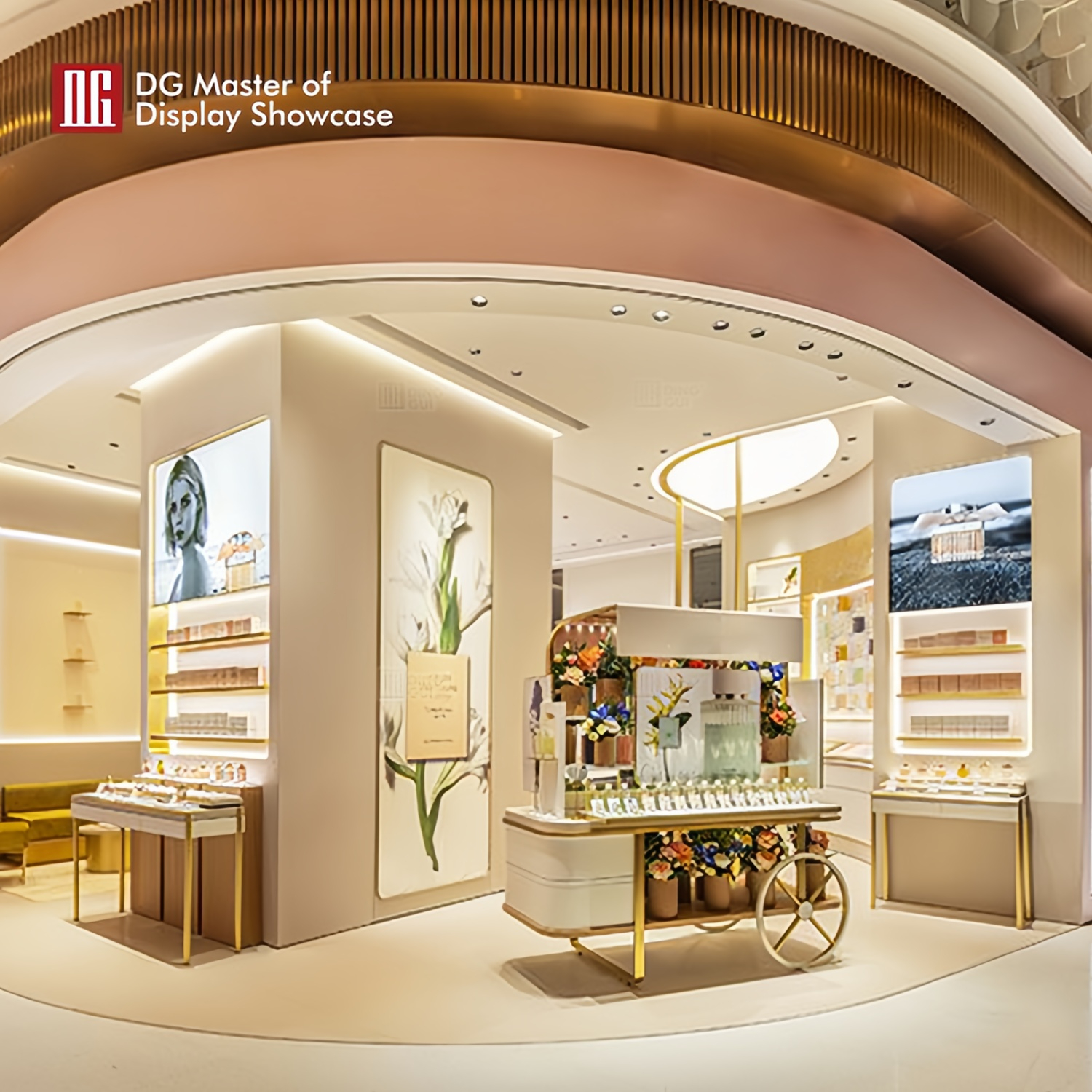
Glass and lighting are two important elements in fragrance retail displays. Glass creates a clear visual barrier that protects products while keeping bottles visible, while lighting helps highlight their colors, shapes, labels, and packaging. When these elements are planned together, they can create a more effective and organized presentation.
A well-designed Perfume Showcase needs more than transparent panels and decorative lights. The type of glass, position of lighting, brightness, reflections, and product arrangement all influence how customers experience the display. Understanding how these components interact can help retailers create a balanced showcase.
Why Glass Matters in Fragrance Displays
Glass allows customers to view products without directly accessing them. This can be useful for premium fragrances or displays where merchandise needs additional protection.
At the same time, glass can affect how lighting appears. Reflections, glare, fingerprints, and the angle of the panels can change the way products are seen from different positions.
Choosing the Right Type of Glass
Different glass options can produce different visual effects. Clear glass is commonly used when maximum product visibility is the priority, while other finishes may be considered when privacy, branding, or design requirements call for them.
The glass should also be selected according to the construction and intended use of the showcase. Strength, thickness, safety considerations, and ease of maintenance are important factors.
How Lighting Enhances Glass Displays
Lighting helps prevent a glass showcase from appearing visually flat. Carefully positioned illumination can draw attention to individual bottles and make shelves easier to read.
Rather than simply increasing brightness, retailers should consider where light falls and how it interacts with the glass surfaces.
Managing Reflections and Glare
One of the biggest challenges when combining glass and lighting is unwanted reflection. A bright light placed directly opposite a glass panel can create glare that makes bottles or labels harder to see.
Lighting should therefore be positioned strategically. Angled fixtures, controlled brightness, and carefully selected light sources can help reduce distracting reflections.
Consider Color Rendering
Fragrance packaging often uses subtle colors, metallic finishes, transparent bottles, and detailed labels. Lighting with good color-rendering characteristics can help these visual details appear more accurately.
This is particularly useful when customers need to distinguish between products with similar packaging or colors.
Use Layered Lighting
A single light source may not provide enough control for a multi-level showcase. Layered lighting can combine several functions within the same display.
For example, general illumination can provide overall visibility, while shelf lighting or accent lighting can draw attention to selected products.
Highlight Featured Fragrances
Retailers may want certain launches, premium products, or seasonal collections to receive more visual attention.
Focused lighting can create a simple visual hierarchy without making the entire showcase excessively bright. The key is to make featured products noticeable while keeping the surrounding assortment easy to view.
Position Lights Carefully
The location of each light affects both product visibility and reflections on the glass. Lights installed too close to the viewing surface may create bright spots or visible reflections.
Lights should be tested from common customer viewing angles before the final configuration is established.
Illuminate Shelves Evenly
Uneven lighting can cause some products to appear prominent while others disappear into shadows. Shelf-level illumination can help create a more consistent presentation.
This is especially useful when the showcase contains several shelves with products positioned at different heights.
Use Vertical Lighting for Tall Displays
Tall fragrance showcases may benefit from vertical lighting placed along the sides or rear of the structure. This approach can help illuminate multiple levels without relying entirely on overhead fixtures.
Vertical illumination can also emphasize the height and structure of the display.
Consider Backlighting
Backlighting can create additional depth behind fragrance bottles. It can be particularly effective for transparent or lightly colored packaging.
However, excessive backlighting may reduce label readability or create unwanted contrast. Brightness should be adjusted according to the products being displayed.
Avoid Excessive Heat
Lighting should be selected with the showcase environment in mind. Fixtures that produce unnecessary heat can affect the internal conditions of the display and may not be appropriate for every configuration.
LED lighting is often considered because it can provide efficient illumination with relatively low heat output compared with some traditional lighting technologies.
Keep Glass Clean
Even well-planned lighting cannot compensate for dirty or heavily marked glass. Fingerprints, dust, and streaks can become especially noticeable when light reflects across the viewing surface.
Regular cleaning helps maintain clear visibility and allows the lighting design to perform as intended.
Coordinate Lighting With Product Arrangement
Product placement and lighting should be planned together. If shelves are rearranged frequently, fixed lighting may no longer illuminate bottles evenly.
Adjustable or flexible lighting arrangements can provide greater adaptability when fragrance collections change.
Think About Customer Viewing Angles
Customers rarely view a showcase from one fixed position. They may approach from the side, stand directly in front of it, or look upward at higher shelves.
Glass reflections and lighting should therefore be evaluated from multiple angles rather than from the staff side alone.
Balance Brightness Across the Store
A showcase that is significantly brighter than its surroundings can attract attention, but excessive contrast may make the display feel disconnected from the rest of the retail environment.
Lighting levels should work with the store’s general illumination, surrounding fixtures, and overall interior design.
Consider Security and Accessibility
Glass can provide a physical barrier while maintaining product visibility. When combined with lockable doors or controlled access, it can support the protection of valuable merchandise.
Lighting can also make products easier for staff to monitor, particularly when shelves and corners are evenly illuminated.
Plan Wiring and Components Early
Lighting requires electrical connections, switches, drivers, and potentially control systems. These components should be considered during showcase design rather than added after construction.
Proper planning helps keep wiring organized and reduces the risk of visible cables interfering with the appearance of the display.
Match the Display to the Retail Environment
The relationship between glass and lighting should fit the store’s overall character. A minimalist boutique may favor clean glass surfaces and subtle illumination, while a larger fragrance department may use stronger layered lighting to organize multiple collections.
The showcase should complement the surrounding fixtures instead of functioning as an isolated visual element.
Consider Maintenance From the Start
Lighting components may eventually need replacement or servicing, while glass requires regular cleaning. A practical showcase should make these tasks straightforward for authorized staff.
Easy access to lighting components can reduce maintenance time and help keep the display consistently presentable.
Work With an Experienced Showcase Manufacturer
Glass, lighting, shelving, doors, and structural components need to function together. Working with an experienced manufacturer can make it easier to address these details during the planning stage.
DG Display Showcase can be considered when discussing customized fragrance displays where glass construction, lighting integration, product visibility, and practical retail requirements need to work together.
Questions to Consider Before Finalizing the Design
Before selecting a glass-and-lighting configuration, retailers can review:
- Is the glass clear and appropriate for the intended use?
- Will lighting create reflections from common viewing angles?
- Are shelves illuminated evenly?
- Are product colors and labels easy to see?
- Is the lighting bright enough without being distracting?
- Can featured products receive focused illumination?
- Is heat generation appropriate for the display?
- Are lighting components easy to maintain?
- Can the lighting accommodate future product changes?
- Does the showcase lighting complement the rest of the store?
Final Thoughts
Glass and lighting perform different functions, but their interaction can have a major effect on fragrance product presentation. Glass provides visibility and separation, while lighting adds clarity, emphasis, and depth.
By considering reflections, color rendering, brightness, product placement, maintenance, and customer viewing angles together, retailers can develop a showcase that presents fragrances clearly while supporting a clean and functional shopping environment.