The growing popularity of lab-grown diamonds has created new opportunities for jewelry retailers, wholesalers, and independent jewelry brands. As consumer interest in affordable and responsibly produced diamonds increases, businesses are looking for dependable suppliers who can provide consistent quality, competitive pricing, and reliable delivery. Choosing the right manufacturing partner is therefore an important step toward building a successful jewelry business.
However, not every manufacturer offers the same level of expertise, production capacity, or quality assurance. Before entering a business relationship, it is important to evaluate several factors that can influence your sourcing decisions and long-term profitability. Working with an experienced Lab Grown Diamond Manufacturer can help businesses access suitable diamond options while maintaining clear expectations regarding product specifications and manufacturing standards.
1. Manufacturing Experience and Industry Knowledge
Experience is one of the first factors to evaluate when selecting a diamond manufacturer. Companies with established industry experience are more likely to understand production requirements, diamond grading standards, and the expectations of different jewelry markets.
An experienced manufacturer should be familiar with both the technical and commercial aspects of lab-grown diamond production.
Before making a decision, consider asking about:
- Years of experience in diamond manufacturing.
- Specialization in CVD or HPHT production.
- Experience supplying jewelry retailers and wholesalers.
- Knowledge of international diamond quality standards.
- Ability to accommodate customized requirements.
A supplier with relevant experience can provide useful guidance when selecting diamonds for different product categories and customer segments.
2. Diamond Quality and Consistency
Product quality directly affects customer satisfaction and brand reputation. Even when diamonds share similar specifications, differences in cutting, polishing, and internal characteristics can influence their overall appearance.
A reliable manufacturer should maintain consistent quality standards across individual stones and larger production batches.
Pay particular attention to the four Cs:
Cut
Cut determines how effectively a diamond interacts with light. Proper proportions and precise faceting contribute to brilliance, fire, and overall visual appeal.
Color
Color grading identifies the degree of visible color within a diamond. Manufacturers should provide accurate information about the color grades of their products.
Clarity
Clarity describes the presence of internal inclusions and external blemishes. Understanding clarity characteristics helps businesses select suitable stones for their collections.
Carat
Carat represents diamond weight. Businesses should also consider measurements because stones with the same carat weight may have different dimensions depending on their shape and proportions.
Request samples to determine whether the manufacturer’s actual products match the specifications provided in quotations and product descriptions.
3. Availability of Certification and Documentation
Certification is an important consideration when sourcing lab-grown diamonds. Reliable documentation helps verify product characteristics and provides greater transparency throughout the purchasing process.
Look for manufacturers that can supply grading reports from recognized gemological laboratories, where applicable.
These reports may include information about:
- Laboratory-grown diamond identification.
- Carat weight and measurements.
- Color and clarity grades.
- Cut quality and proportions.
- Relevant identification numbers and inscriptions.
It is also important to confirm that documentation corresponds to the actual diamond being supplied. Accurate grading information makes it easier for jewelry businesses to describe products honestly and establish customer confidence.
4. Production Technology and Manufacturing Capabilities
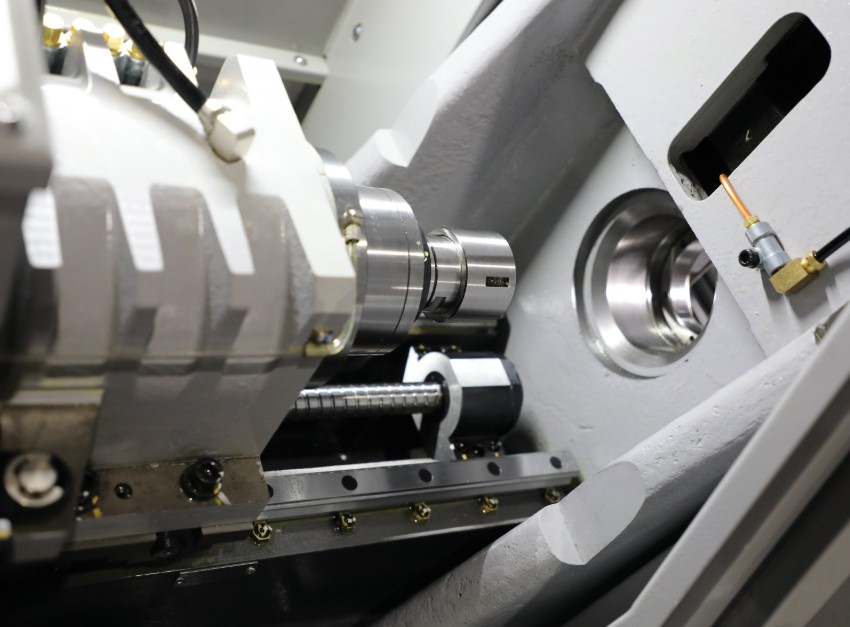
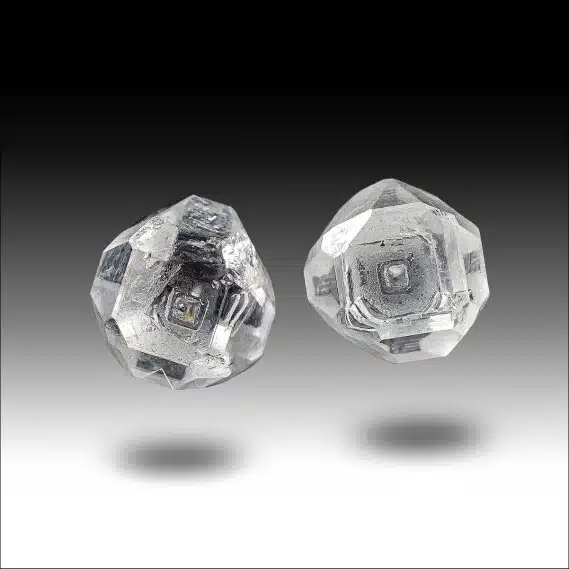
Lab-grown diamonds are primarily produced through two technologies: Chemical Vapor Deposition (CVD) and High Pressure High Temperature (HPHT).
Each method uses different production conditions and equipment, and manufacturers may specialize in one or both technologies.
CVD production uses carbon-containing gases in a controlled chamber to grow diamond crystals layer by layer. HPHT production uses specialized equipment to recreate the high-pressure and high-temperature conditions required for diamond growth.
When evaluating a manufacturer, consider whether its production capabilities align with your product requirements.
You should also ask about available diamond shapes, sizes, color grades, clarity grades, and customization options. A supplier with suitable technical capabilities can make it easier to maintain variety across your jewelry collections.
5. Pricing and Overall Value
Competitive pricing is important for maintaining healthy profit margins, particularly for businesses purchasing diamonds in bulk. However, the lowest quotation does not necessarily represent the best value.
Differences in quality, certification, cutting standards, and order conditions can explain variations in supplier pricing.
Request detailed quotations and compare the following elements:
- Price per carat.
- Diamond quality and specifications.
- Minimum order quantities.
- Customization fees.
- Packaging and shipping charges.
- Payment conditions.
- Return and replacement policies.
A transparent pricing structure makes it easier to calculate total sourcing costs and avoid unexpected expenses.
Instead of focusing exclusively on purchase price, consider the overall value offered through quality consistency, service, and delivery reliability.
6. Product Range and Customization Options
A diverse product range allows jewelry businesses to serve customers with different preferences and purchasing budgets.
Manufacturers should ideally offer a selection of diamond shapes, including round, oval, pear, emerald, princess, cushion, and marquise cuts.
Different carat weights and grading combinations are equally important. This flexibility allows retailers to develop collections for engagement rings, wedding jewelry, earrings, pendants, and other products.
Customization can also be valuable for businesses developing distinctive designs. Before selecting a supplier, confirm whether it can accommodate specific measurements, matching pairs, calibrated diamonds, and special cutting requirements.
Understanding the available options can help you determine whether a manufacturer is suitable for both current and future product needs.
7. Minimum Order Quantities and Supply Capacity
Minimum order quantities can have a significant impact on inventory management and cash flow.
Some manufacturers focus on large wholesale orders, while others offer more flexible purchasing arrangements for smaller businesses.
Choose a supplier whose minimum order requirements match your purchasing capacity. Ordering more inventory than necessary can increase storage expenses and tie up working capital.
Production capacity is another important consideration. A manufacturer should be able to handle your expected order volume without compromising quality or repeatedly missing deadlines.
Discuss the following details before placing an order:
- Minimum and maximum order quantities.
- Standard production timelines.
- Availability of repeat orders.
- Seasonal production capacity.
- Ability to handle bulk requirements.
- Procedures for urgent or customized orders.
These discussions can help prevent supply disruptions as your business expands.
8. Delivery Reliability and Shipping Arrangements
Reliable delivery is essential for businesses that operate according to customer orders, seasonal collections, or retail launch schedules.
Even high-quality diamonds can create operational problems if shipments are frequently delayed or poorly managed.
Ask potential manufacturers about their shipping partners, estimated delivery periods, packaging standards, and shipment tracking procedures.
You should also understand how they handle damaged shipments, lost packages, customs documentation, and delivery-related disputes.
Clear shipping arrangements help businesses plan inventory more effectively and provide realistic delivery expectations to customers.
9. Communication and Customer Support
Strong communication is an important part of any successful supplier relationship.
A manufacturer should be able to respond to inquiries, explain technical specifications, provide order updates, and address concerns professionally.
During the initial evaluation, observe how quickly the supplier responds and whether its answers are clear and consistent.
It is also worth checking whether the manufacturer provides assistance after an order has been delivered.
Good customer support can make a significant difference when handling quality concerns, requesting replacements, or arranging repeat purchases.
10. Ethical Standards and Environmental Transparency
Lab-grown diamonds are often associated with sustainability because their production does not require traditional diamond mining. However, laboratory manufacturing still involves energy consumption, equipment operation, and industrial processes.
For this reason, businesses should avoid assuming that every lab-grown diamond has the same environmental impact.
Ask manufacturers about their energy sources, environmental management procedures, workplace conditions, and sustainability-related certifications, if available.
A responsible supplier should provide clear and verifiable information rather than making broad environmental claims without supporting evidence.
Transparency in these areas can help jewelry businesses communicate more accurately with increasingly informed consumers.
11. Manufacturer Reputation and Customer Reviews
Researching a manufacturer’s reputation can reveal important information about its reliability and professional conduct.
Look for independent customer reviews, industry references, business history, and feedback from jewelry retailers or wholesalers.
Pay particular attention to repeated comments regarding:
- Diamond quality and consistency.
- Accuracy of product descriptions.
- Order fulfillment and delivery times.
- Communication and responsiveness.
- Complaint resolution.
- Long-term customer relationships.
Where possible, speak directly with existing customers. Their experiences may provide useful insights that are not available through promotional materials.
12. Sample Orders and Trial Partnerships
Before committing to large purchases, consider placing a small trial order.
Samples allow you to evaluate actual diamond quality, packaging, documentation, and delivery performance. They also provide an opportunity to understand how the manufacturer manages the ordering process.
Compare the delivered stones with the original specifications and inspect their cutting, polishing, and overall appearance.
A successful trial order can provide greater confidence when deciding whether to establish a longer-term manufacturing relationship.
Common Warning Signs to Watch For
While comparing manufacturers, be cautious of suppliers who demonstrate questionable business practices.
Some warning signs include:
- Unusually low prices without a clear explanation.
- Missing or inconsistent diamond documentation.
- Unwillingness to provide product samples.
- Vague information about production methods.
- Unrealistic delivery promises.
- Poor communication or repeated delays.
- Unclear return and replacement policies.
- Unsupported claims about quality or sustainability.
Taking time to investigate these issues can help reduce purchasing risks and protect your business from avoidable losses.
Conclusion
Selecting the right lab-grown diamond manufacturer requires careful consideration of quality, production capabilities, pricing, certification, communication, and supply reliability. Each factor contributes to the overall strength of your sourcing strategy and can influence your jewelry business’s ability to meet customer expectations.
Rather than making a decision based on price alone, compare multiple suppliers, inspect samples, verify documentation, and discuss commercial terms before placing substantial orders.
A dependable manufacturing partner can help maintain consistent product standards, support inventory planning, and provide the flexibility needed to respond to changing market demands. By following a structured selection process, jewelry businesses can build stronger supplier relationships and establish a solid foundation for long-term growth.