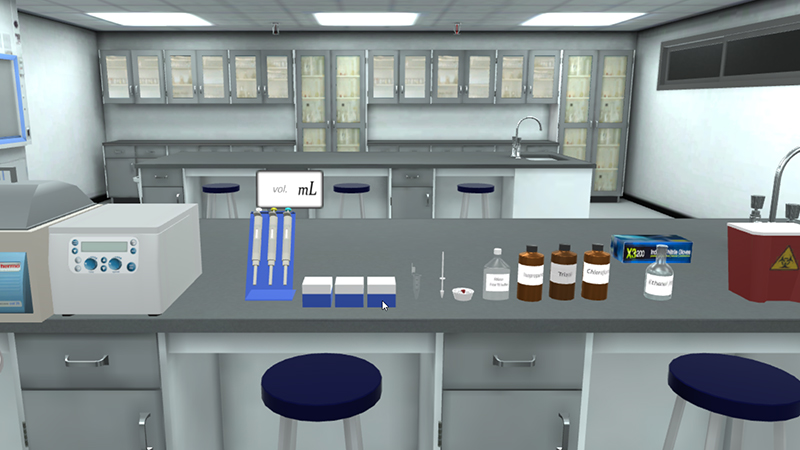
Extracting RNA from samples containing very small amounts of biological material can be challenging. Limited cell numbers, small tissue specimens, dilute biological fluids, and low-abundance targets all increase the possibility of losing RNA during purification. Even minor losses during sample transfer, binding, or washing can significantly affect the amount of material available for downstream analysis.
One approach used in selected purification workflows is the addition of carrier RNA. An Rna Extraction Kit With Carrier Rna is designed to support nucleic acid recovery under compatible conditions, particularly when the target RNA is present at low concentrations. By providing additional nucleic acid material during purification, carrier RNA may help reduce losses and improve recovery consistency. Understanding its function and limitations helps researchers determine when this type of extraction system is appropriate.
Understanding Low-Input RNA Extraction
Low-input RNA extraction refers to the purification of RNA from samples containing limited starting material. Unlike conventional procedures that use relatively large quantities of tissue or cells, these workflows must recover useful RNA from small or dilute specimens.
Common low-input samples include:
- Small numbers of cultured cells.
- Limited tissue biopsies.
- Rare or isolated cell populations.
- Cell-free RNA from biological fluids.
- Low-concentration viral RNA specimens.
- Small-volume experimental samples.
The main difficulty is that target RNA may be present close to the practical recovery limits of the purification method. During processing, molecules can be lost through adsorption to tubes, pipette tips, membranes, or other surfaces. Inefficient binding and incomplete elution can further reduce the final yield.
A suitable extraction strategy should therefore minimize unnecessary handling, maintain effective purification conditions, and protect RNA from degradation.
What Is Carrier RNA in an Extraction Kit?
Carrier RNA is a non-target RNA component introduced into certain nucleic acid purification workflows. It is not the RNA researchers intend to measure or study. Instead, it supports the recovery of low-abundance nucleic acids under specific conditions.
When target RNA is present at very low concentrations, some molecules may be lost through nonspecific interactions with laboratory surfaces or purification materials. Carrier RNA adds additional nucleic acid material to the system and may help reduce the relative impact of these losses.
Depending on the extraction chemistry, it can also support nucleic acid binding during purification. However, the effect varies between systems, and carrier RNA is not required or beneficial in every extraction procedure.
A carrier-containing kit should be selected according to its validated protocol rather than by assuming that adding more RNA will always improve recovery.
How an RNA Extraction Kit with Carrier RNA Improves Recovery
Carrier RNA can support several aspects of low-input purification when the extraction system is designed to use it.
1. Reducing Nonspecific RNA Loss
Low-concentration RNA samples are particularly vulnerable to losses caused by adsorption to tubes, pipette tips, and purification materials.
Carrier RNA introduces additional nucleic acid into the sample, which may reduce the relative loss of target molecules through nonspecific adsorption. This can be useful when working with very small quantities of starting material.
The degree of improvement depends on the extraction chemistry, sample composition, and laboratory materials used.
2. Supporting Nucleic Acid Binding
Silica column and magnetic bead purification systems rely on controlled chemical conditions that allow nucleic acids to bind to a solid surface.
In compatible workflows, carrier RNA may provide additional nucleic acid material during the binding stage. This can support recovery when the target concentration is low.
However, binding behavior is system-dependent. Carrier RNA should only be included when the kit protocol specifically recommends or permits it.
3. Improving Recovery From Dilute Samples
Dilute specimens may contain very small amounts of target RNA in a relatively large volume of surrounding liquid.
Under these conditions, recovery losses can have a substantial effect on the final sample. Carrier RNA may help improve purification performance in validated workflows, making it useful for selected low-concentration specimens.
4. Supporting More Consistent Results
When starting material is limited, small differences in handling can produce noticeable variations in RNA recovery.
A standardized carrier-assisted extraction procedure may help reduce some recovery-related variability. Nevertheless, consistent results still depend on sample preparation, RNase control, reagent handling, and adherence to the recommended protocol.
Low-Input Applications That May Benefit From Carrier RNA
Carrier RNA is relevant to several research and molecular testing workflows where target material is scarce.
Rare Cell and Small Cell-Population Analysis
Some experiments involve isolating RNA from small populations of cells rather than large culture samples.
Examples include studies of selected cell subpopulations and experiments using limited numbers of isolated cells. Because the starting RNA quantity is low, reducing purification losses is particularly important.
Carrier RNA may support recovery in extraction systems validated for these sample types.
Tissue Biopsy Samples
Small biopsies may provide limited biological material, especially when tissue availability is restricted.
An extraction method designed for low-input samples can help researchers make better use of the available specimen. Effective tissue disruption and prompt RNase inactivation remain essential, since carrier RNA cannot compensate for incomplete lysis or degradation.
Cell-Free RNA Analysis
Cell-free RNA occurs in biological fluids and may be present at low concentrations. Purification from these specimens can be challenging because the target molecules are dilute and sample volumes may be limited.
Carrier-assisted workflows may improve recovery when compatible with the extraction chemistry and intended analysis.
Viral RNA Detection
Some biological specimens contain low levels of viral RNA. Extraction efficiency can influence how much target material reaches the downstream detection reaction.
Certain viral nucleic acid purification protocols include carrier RNA to support recovery from dilute samples. Researchers should confirm that the carrier is compatible with the diagnostic or research assay.
Limited-Volume Samples
In some studies, only a small amount of specimen is available. This makes efficient recovery important because repeating the extraction may not be possible.
Carrier RNA may help improve recovery in appropriate systems, although the method should be validated for the specific sample type.
Choosing the Right Extraction Technology
An extraction kit with carrier RNA may use different purification technologies. Understanding their operating principles helps researchers evaluate whether a particular system suits their workflow.
Silica Column-Based Purification
Silica column systems capture RNA on a membrane under suitable binding conditions. Washing removes contaminants, and an elution solution releases purified RNA.
These systems provide a structured workflow and are commonly used for routine molecular biology applications. If carrier RNA is included, its use should follow the kit’s specified binding and purification conditions.
Magnetic Bead-Based Purification
Magnetic bead systems use particles that capture nucleic acids. A magnetic field separates the beads from the surrounding liquid, allowing washing and subsequent elution.
These methods can support automated processing and high-throughput workflows. Carrier RNA may be useful in compatible low-input procedures, but researchers should confirm that it does not interfere with the bead chemistry or downstream analysis.
Other Specialized Purification Systems
Some extraction systems use specialized lysis and purification reagents designed for particular sample types. Their performance depends on the chemistry and intended application.
The presence of carrier RNA should be considered alongside sample compatibility, recommended input range, purification efficiency, and downstream assay requirements.
Important Considerations When Using Carrier RNA
Carrier RNA can improve recovery in suitable workflows, but it also introduces additional RNA into the purified preparation. This has implications for measurement and analysis.
Distinguishing Target RNA From Carrier RNA
A major consideration is that routine RNA quantification may measure both target RNA and carrier RNA.
Spectrophotometric measurements detect nucleic acid absorbance without distinguishing the biological target from the added carrier. Consequently, the reported concentration may overestimate the amount of target RNA available for analysis.
Fluorometric methods can provide more selective measurements depending on the assay chemistry, but some RNA-selective dyes may also detect carrier RNA.
When target-specific recovery matters, use an appropriate analytical method rather than relying solely on total RNA concentration.
Evaluating Downstream Compatibility
Carrier RNA may influence applications that examine total RNA composition or sequence content.
For example, sequencing workflows may require consideration of additional carrier-derived material during library preparation and data analysis. Similarly, assays designed to quantify total RNA or specific RNA populations may need appropriate controls.
Researchers should confirm compatibility before incorporating carrier RNA into workflows involving RNA sequencing, transcript profiling, or other sensitive analyses.
Following Recommended Input Quantities
The appropriate carrier RNA amount depends on the extraction system and its validated protocol.
Using an excessive amount may affect purification behavior or downstream measurements. Using too little may provide limited benefit.
Follow the manufacturer’s instructions and avoid making unvalidated changes to reagent quantities.
Maintaining RNase-Free Conditions
Carrier RNA does not prevent degradation caused by RNases. Both target and carrier molecules remain vulnerable to enzymatic breakdown.
Use RNase-free consumables, clean work surfaces, fresh gloves, and suitable storage conditions throughout sample preparation.
How to Evaluate Recovery From Low-Input Samples
Assessing extraction performance requires more than measuring total RNA yield. Researchers should determine whether the method recovers the intended target and produces material suitable for subsequent experiments.
Compare Recovery Under Controlled Conditions
When evaluating a carrier-assisted workflow, compare it with an appropriate control procedure if the kit protocol permits.
Keep sample input, processing conditions, reagent volumes, and handling steps consistent. This helps identify whether differences in recovery are associated with carrier RNA rather than other experimental variables.
Measure Target-Specific Recovery
Target-specific methods are useful when carrier RNA contributes to the total nucleic acid measurement.
For example, RT-qPCR can help assess recovery of a defined RNA target when suitable assays and controls are used. This provides information that total absorbance measurements cannot offer.
Check RNA Purity
Absorbance ratios can provide an initial indication of possible contamination.
- A260/A280: A value near 2.0 is generally consistent with relatively pure RNA.
- A260/A230: Values around 2.0–2.2 commonly indicate low levels of certain organic and chemical contaminants.
These values are general reference points. They do not establish RNA integrity or distinguish target RNA from carrier RNA.
Assess RNA Integrity When Required
RNA integrity matters when downstream applications depend on intact transcripts.
Agarose gel electrophoresis can provide a basic assessment, while automated electrophoretic systems can generate more detailed integrity measurements. The appropriate method depends on sample quantity and the requirements of the experiment.
Common Mistakes in Carrier-Assisted RNA Extraction
Even a suitable extraction kit can produce inconsistent results if important processing requirements are overlooked.
| Common mistake | Potential consequence | Recommended practice |
|---|---|---|
| Using carrier RNA without checking compatibility | Interference with purification or analysis | Follow the kit’s validated instructions |
| Relying only on total RNA concentration | Overestimation of target RNA | Use target-specific measurements when needed |
| Adding excessive carrier RNA | Changes in binding behavior or downstream measurements | Use the recommended quantity |
| Incomplete sample disruption | Reduced RNA recovery | Select an appropriate lysis method |
| Poor RNase control | RNA degradation | Maintain RNase-free handling |
| Skipping purification steps | Contaminant carryover | Complete required washing and elution |
| Ignoring downstream requirements | Unwanted effects on analysis | Confirm assay compatibility in advance |
Selecting a Kit for Reliable Low-Input RNA Recovery
When comparing extraction kits, researchers should consider several practical and technical factors.
Sample compatibility: Confirm that the kit supports the intended material, such as cultured cells, tissues, biological fluids, or microbial specimens.
Input range: Check the recommended sample quantity and whether the system has been validated for low-input conditions.
Purification chemistry: Understand whether the kit uses silica membranes, magnetic beads, or another method, and whether carrier RNA is included or added separately.
Recovery performance: Review available validation data and consider whether the method provides suitable target-specific recovery.
Downstream compatibility: Ensure that the final preparation is appropriate for RT-qPCR, RNA sequencing, or other planned applications.
Workflow requirements: Consider processing time, equipment, hands-on steps, and storage conditions.
A kit that performs well with one specimen type may not provide the same results with another. Selection should therefore be based on the complete experimental workflow.
Conclusion
An RNA extraction kit with carrier RNA can be useful for recovering low-abundance nucleic acids from limited or dilute samples. By providing additional nucleic acid material during compatible purification procedures, carrier RNA may reduce losses associated with nonspecific adsorption and support more consistent recovery.
However, its effectiveness depends on the extraction chemistry, sample characteristics, and intended downstream application. Researchers must also account for carrier RNA during quantification and consider its potential effects on sequencing, transcript analysis, and other sensitive assays.
With appropriate kit selection, RNase-free handling, validated processing conditions, and target-specific quality assessment, carrier-assisted purification can help laboratories obtain useful RNA from samples where starting material is limited.