Construction equipment continues to evolve as businesses explore new technologies, changing project requirements, and different approaches to managing machinery. Contractors are increasingly interested in equipment that can operate within restricted spaces, support diverse applications, and meet evolving environmental and operational expectations. Electrification is one area attracting attention as manufacturers develop alternatives to conventional power systems.
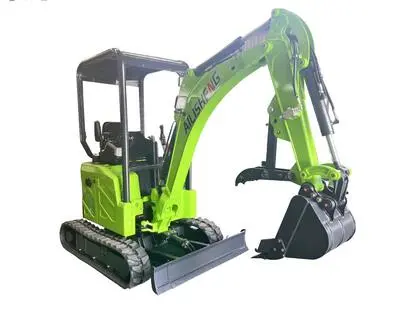
The electric mini excavator represents one direction in the development of compact construction machinery. Its combination of excavation capability, smaller dimensions, and electric power may make it relevant to selected future construction applications. Examining the factors influencing its development helps businesses understand what to consider when evaluating current models and planning equipment investments.
The Growing Importance of Compact Equipment
Construction projects increasingly involve different working environments, including residential properties, urban locations, renovation sites, landscaping developments, and infrastructure maintenance.
These environments may place restrictions on access, equipment movement, working space, or noise. Compact machinery can provide an alternative when larger equipment is difficult to position or unnecessary for the task.
Mini excavators may support localized excavation, trench preparation, drainage work, landscaping, and other groundwork activities. Their future role may depend partly on how manufacturers continue to improve dimensions, working range, controls, attachments, and overall machine capability.
Electrification and Alternative Power Systems
Electric power is an important area of equipment development. Battery-powered construction machinery offers a different operating approach from conventional diesel equipment, with energy stored onboard and replenished through charging.
Electric excavators produce no exhaust emissions directly from the machine during operation. This characteristic may be relevant for certain indoor, semi-enclosed, urban, or environmentally sensitive applications, subject to appropriate site requirements.
Electric power may also reduce engine-related noise. However, machinery still produces sound from tracks, hydraulic systems, digging activity, and attachments. Contractors should evaluate the overall operating environment rather than assuming electric equipment is silent.
Battery Development and Energy Management
Battery technology is an important factor influencing the practical use of electric construction equipment. Capacity, energy consumption, charging time, temperature management, protection systems, and serviceability all affect equipment availability.
Future developments may influence how businesses plan operating schedules and charging infrastructure, but purchasing decisions should be based on the specifications and capabilities of equipment currently available.
Contractors should review battery information carefully, including manufacturer recommendations, charging requirements, expected operating duration, warranty provisions, and authorized service arrangements.
Energy management will remain important as electric equipment becomes more integrated into construction operations. Businesses may need to plan charging locations, electrical supply, equipment utilization, and downtime according to their project requirements.
Changing Construction Site Requirements
Construction environments may continue to place greater emphasis on organized work, access, coordination, and operational efficiency. Compact equipment may be useful where projects involve limited working areas or several activities occurring within close proximity.
Electric excavators may be considered for selected projects where direct exhaust emissions or engine-related noise are important factors. Their usefulness will depend on the machine’s capabilities, charging availability, workload, and site conditions.
Equipment selection will continue to require a balance between performance, safety, cost, and operational suitability. Contractors should avoid choosing machinery based only on emerging technology trends.
Equipment Connectivity and Information
Construction equipment development may also involve improvements in digital information, monitoring, and fleet management. Depending on the machine and manufacturer, equipment may provide operating information, maintenance reminders, diagnostic data, or other features.
Such information can help businesses monitor utilization, plan servicing, and manage equipment availability. However, buyers should review which features are actually included, how the information is accessed, and whether it provides meaningful value for their operations.
Technology should support practical equipment management rather than add complexity without a clear purpose.
Maintenance and Service Considerations
The future of electric construction equipment will also depend on service support, parts availability, technician training, and maintenance arrangements.
Electric machines still require attention to hydraulic systems, tracks, attachments, structural components, electrical systems, and batteries. Businesses need access to suitable technical assistance and should understand maintenance requirements before purchasing.
Reliable service support can influence equipment availability and long-term ownership value, especially for contractors who depend on machinery to meet project schedules.
Preparing for Future Equipment Decisions
Businesses can prepare for changes in construction equipment by reviewing project demand, existing fleet capability, operating costs, charging infrastructure, and future service requirements.
Rather than making assumptions about future technology, contractors should evaluate available equipment according to their current applications and anticipated needs. Demonstrations, technical comparisons, operator feedback, and realistic cost assessments can support better decisions.
Conclusion
Electric mini excavator equipment may play an increasingly relevant role in construction as businesses explore compact machinery, alternative power systems, and different operating approaches. Battery technology, charging arrangements, machine capability, digital information, and service support will influence its practical value. Contractors who evaluate current specifications carefully and remain attentive to changing project requirements can make informed equipment decisions while preparing for developments in construction machinery.