Battery-powered construction equipment introduces a different set of operational considerations compared with machinery that relies on conventional fuel. Contractors must understand how the machine is charged, how it is prepared for work, how operating time is managed, and what procedures are required to maintain equipment availability. These considerations are particularly important when a machine is used across several projects or operates according to a demanding schedule.
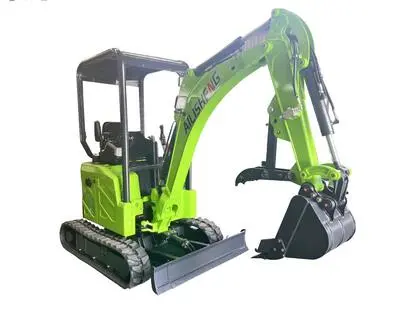
Businesses considering an electric mini excavator for sale should evaluate charging and operating needs before purchase. The equipment may suit selected excavation applications, but its practical value depends on the availability of compatible electrical infrastructure, expected workload, charging duration, operator procedures, and service support. A clear operational plan helps ensure that the machine can be used effectively rather than creating scheduling difficulties.
Determine Where Charging Will Take Place
The first charging consideration is location. Contractors should identify whether charging will occur at their depot, a designated construction site, or another suitable facility.
Depot charging may be practical for businesses that return equipment regularly to a central location. Site charging may be useful when the machine remains at a project for extended periods, provided suitable electrical infrastructure is available.
The charging location should be selected according to equipment requirements, electrical safety, access, and site rules. Contractors should confirm that the proposed location can accommodate the charging arrangement before purchasing the machine.
Confirm Electrical Supply Compatibility
Electric mini excavators may have specific charging requirements. Buyers should obtain information about the required supply, compatible charging equipment, connection arrangements, and any installation considerations.
Existing electrical infrastructure should not be assumed to be suitable. Contractors may need an assessment of the available supply or additional arrangements before charging can be established.
The supplier should explain the requirements clearly and provide relevant documentation. This helps management identify potential infrastructure costs and avoid unexpected delays after delivery.
Understand Charging Duration
Charging duration affects how the machine fits into the daily work schedule. Buyers should ask how long charging is expected to take under the specified conditions and whether different charging arrangements are available for the model.
The schedule should account for the time needed to prepare the equipment, perform work, return to a charging location, and complete charging when required.
Charging time should not be treated as an isolated specification. Contractors need to determine whether the available time fits their work pattern and expected machine utilisation.
Estimate Daily Operating Requirements
Before purchase, contractors should estimate the machine’s daily workload. This may include operating hours, excavation tasks, movement between work areas, attachment use, and the intensity of digging.
The expected workload should be compared with the machine’s operating information and battery characteristics. Actual duration may differ according to soil conditions, temperature, terrain, and operator practices.
If the machine will be used for several projects, management should consider the range of conditions rather than focus on a single typical day.
Establish an Operating Routine
A consistent operating routine can help manage equipment availability. Operators may be required to conduct pre-use inspections, check relevant indicators, confirm battery condition, inspect attachments, and ensure that the machine is ready for the planned task.
At the end of the work period, the equipment should be handled according to manufacturer instructions. Charging, cleaning, inspection, and storage arrangements should be clearly understood.
A routine can help prevent situations where the machine is unavailable because preparation or charging was overlooked.
Plan for Work Schedule Changes
Construction schedules may change due to weather, site access, material availability, inspections, or coordination with other trades. Contractors should consider how these changes affect the machine’s operating and charging plan.
If equipment is required unexpectedly, management needs to understand whether sufficient battery capacity and charging access are available. Contingency planning can help reduce disruption when work is rescheduled.
The machine should not be expected to perform beyond its specified capabilities simply because the project schedule has changed.
Train Operators and Supervisors
Operators and supervisors should understand the machine’s controls, charging procedures, battery indicators, safety requirements, and operating limitations.
Training should cover relevant manufacturer guidance and site-specific arrangements. Employees should know how to report concerns and who is responsible for charging and maintenance.
Clear responsibilities help ensure that equipment is managed consistently across different projects and operators.
Consider Ownership and Infrastructure Costs
Charging infrastructure may involve additional costs, depending on the available electrical supply and equipment requirements. Contractors should include these costs when evaluating the purchase.
They should also consider maintenance, repairs, service support, charging equipment, operator training, transport, and other ownership expenses. A realistic cost assessment provides a better basis for comparing alternatives.
Conclusion
Charging and operating needs are central to the practical use of electric mini excavators. Contractors should identify charging locations, confirm electrical compatibility, understand charging duration, estimate workload, establish operating routines, and train personnel. By planning these arrangements before purchasing, businesses can determine whether electric equipment fits their schedules and can be managed effectively across their intended projects.