Introduction
Sustainability has become an important consideration in the food packaging industry. Restaurants, takeaway businesses, catering companies, and food delivery services are increasingly looking for packaging materials that balance functionality with environmental responsibility. As concerns about plastic waste and resource consumption continue to grow, paper-based packaging is receiving greater attention.
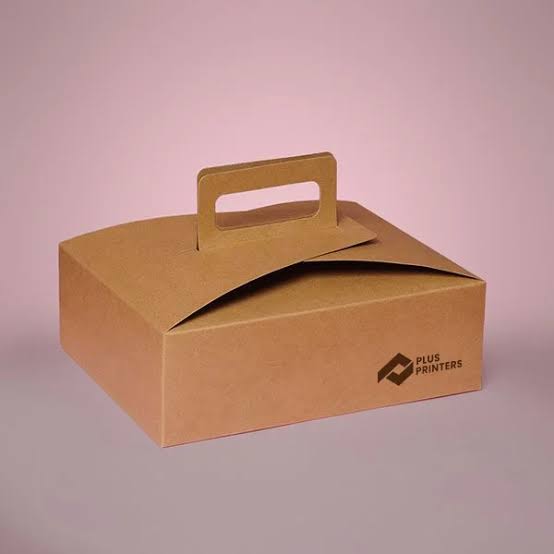
Cardboard bento boxes provide a practical option for businesses seeking alternatives to conventional plastic food containers. Their fiber-based construction, versatile designs, and potential for recycling make Cardboard Bento Boxes an interesting choice for modern food service operations. Understanding their environmental benefits and limitations can help businesses make more informed packaging decisions.
1. Made from Renewable Paper-Based Materials
One of the main sustainability advantages of cardboard packaging is its use of paper fibers. These fibers can come from responsibly managed forests or recycled paper materials.
Unlike packaging made entirely from fossil-based plastic, responsibly sourced paperboard can rely on renewable raw materials. Sustainable forestry practices also help maintain forest resources while supporting long-term material production.
Businesses should look for suppliers that provide clear information about material sourcing and relevant forestry certifications.
2. Potential to Reduce Dependence on Conventional Plastics
Traditional plastic containers are widely used because of their durability, moisture resistance, and lightweight construction. However, disposable plastic packaging can contribute to long-lasting environmental waste when it is improperly managed.
Cardboard bento containers offer an alternative for many takeaway applications. Their paper-based construction allows restaurants to explore different packaging options without relying exclusively on conventional plastic materials.
Replacing suitable plastic applications with fiber-based alternatives can support packaging diversification and reduce dependence on disposable petroleum-based products.
However, the environmental benefits depend on the materials used, manufacturing processes, transportation, and end-of-life management.
3. Recyclability and Material Recovery
Recycling is an important part of sustainable packaging management. Clean cardboard materials can generally be processed through established paper recycling systems, allowing fibers to be recovered and used in the production of new paper products.
This can reduce the demand for virgin raw materials and support more efficient resource utilization.
However, not every cardboard bento box is equally recyclable.
Some containers include protective coatings, plastic laminations, adhesives, or other barrier materials that may complicate recycling. Food residue and grease contamination can also affect whether packaging is accepted by local recycling facilities.
Businesses should therefore verify the complete material composition and provide customers with accurate disposal instructions.
4. Opportunities to Use Recycled Paper Fibers
Another way cardboard packaging can support sustainability is through the use of recycled paper content.
Recycled fibers are recovered from previously used paper products and processed into materials suitable for new packaging applications.
Using recycled content can help:
- Reduce demand for virgin paper fibers.
- Support material recovery systems.
- Extend the useful life of existing paper resources.
- Reduce the amount of paper waste sent to disposal facilities.
- Encourage circular material management.
The proportion of recycled material varies between products. Businesses should request supplier documentation to understand the actual recycled content of their packaging.
5. Lightweight Construction and Transportation Efficiency
Packaging weight can influence transportation requirements throughout the supply chain.
Cardboard bento boxes are generally lightweight, which can make them easier to handle, store, and distribute. Some designs are also supplied flat-packed, allowing businesses to transport and store larger quantities efficiently.
Efficient packaging dimensions can help reduce unnecessary storage and transportation space.
These characteristics may contribute to improved logistics efficiency, although the actual environmental impact depends on shipping distances, vehicle utilization, packaging volume, and manufacturing locations.
6. Supporting Sustainable Restaurant Operations
Restaurants use substantial quantities of food packaging every day, particularly when offering takeaway and delivery services.
Introducing suitable cardboard containers can become part of a broader strategy to improve packaging practices.
Businesses can consider using paper-based containers for meals that do not require specialized plastic packaging. They can also review container dimensions to avoid unnecessary material consumption.
Other useful practices include:
- Choosing appropriately sized containers.
- Reducing unnecessary packaging layers.
- Selecting verified recycled or responsibly sourced materials.
- Providing clear disposal guidance.
- Ordering packaging quantities based on actual demand.
- Reviewing packaging performance regularly.
These measures help businesses approach sustainability as an operational responsibility rather than simply a purchasing decision.
7. Versatile Designs for Different Food Applications
Sustainable packaging must remain functional to be a practical alternative.
Cardboard bento boxes are available in different sizes, shapes, and compartment arrangements. This makes them suitable for a variety of food service applications.
Common examples include:
Rice and combination meals: Separate sections can organize rice, vegetables, meat, and other ingredients.
Fresh salads: Compartment designs can help keep different ingredients organized, provided suitable moisture protection is used.
Snacks and desserts: Smaller containers can package pastries, fruit portions, and other individual servings.
Prepared lunches: Multiple compartments allow businesses to distribute balanced meals in one package.
Catering services: Individual bento-style containers can simplify meal distribution at meetings and events.
This versatility allows restaurants to explore fiber-based packaging across different menu categories.
8. Customization Without Unnecessary Packaging Complexity
Packaging customization helps restaurants communicate their brand identity while maintaining a consistent customer experience.
Cardboard bento boxes can often be customized with printed logos, brand colors, graphics, and different structural designs.
Businesses can also select practical compartment arrangements that match their menu requirements.
From a sustainability perspective, customization should be balanced with material efficiency. Excessive printing, unnecessary coatings, and additional packaging layers may increase resource consumption.
A simple design using suitable materials can provide effective branding while avoiding unnecessary complexity.
9. Biodegradability and Composting Considerations
Cardboard is often associated with biodegradability because paper fibers can break down under suitable environmental conditions.
However, the actual decomposition process depends on the packaging composition and disposal environment.
Uncoated cardboard generally breaks down more readily than containers containing plastic laminations or certain synthetic barrier treatments.
Some specially designed food containers may be suitable for industrial composting, but this does not automatically mean they can be composted at home.
Businesses should check relevant certifications and local composting facility requirements before describing their packaging as compostable or biodegradable.
Accurate environmental claims help customers understand how to dispose of packaging responsibly.
10. Protecting Food Quality and Reducing Food Waste
Sustainable packaging is not only about the material itself. Protecting food during storage and transportation is another important environmental consideration.
Damaged meals and spoiled food can contribute to unnecessary food waste, which carries its own environmental costs.
Well-designed cardboard bento boxes can help organize ingredients and protect meals during normal handling. Appropriate compartment arrangements can also reduce direct contact between different food components.
For meals containing sauces, moisture, or oil, businesses should choose containers with suitable protective barriers.
The packaging should be tested to ensure it provides sufficient protection without using more material than necessary.
11. Comparing Cardboard and Plastic Packaging from a Sustainability Perspective
Cardboard and plastic containers have different environmental characteristics, and neither material is automatically the best option for every application.
| Consideration | Cardboard Bento Boxes | Plastic Containers |
|---|---|---|
| Raw materials | Paper fibers from renewable or recycled sources | Usually petroleum-based or other polymer materials |
| Weight | Generally lightweight | Varies by material and design |
| Recycling | Possible when accepted and sufficiently clean | Depends on plastic type and local recycling facilities |
| Moisture resistance | May require protective coatings | Generally strong |
| Reuse potential | Usually designed for limited use | Some designs support repeated use |
| Composting | Some products may qualify under specific conditions | Most conventional plastics are not compostable |
| Food presentation | Often offers natural paper-based appearance | Transparent options allow food visibility |
A complete environmental assessment should consider material sourcing, manufacturing energy, transportation, reuse, recycling, and disposal.
12. How Businesses Can Choose More Sustainable Bento Packaging
Selecting environmentally responsible packaging requires more than choosing a container labeled as eco-friendly.
Businesses should evaluate several factors before purchasing:
Check Material Composition
Understand whether the packaging uses virgin paper fibers, recycled content, coatings, or laminated materials.
Request Environmental Certifications
Look for credible documentation supporting claims about responsible forestry, recycled content, or compostability.
Evaluate Packaging Efficiency
Choose dimensions and compartment layouts that suit actual food portions without excessive material use.
Review Recycling Options
Confirm whether local waste management systems can accept the selected packaging after use.
Test Food Compatibility
Ensure the container can safely handle the intended food temperature, moisture, and grease levels.
These steps help businesses select packaging that balances environmental considerations with food safety and operational performance.
13. The Role of Packaging Manufacturers in Sustainable Development
Manufacturers have an important role in improving the environmental performance of food packaging.
They can explore recycled materials, responsible fiber sourcing, efficient production methods, and protective coatings that maintain functionality while supporting appropriate disposal options.
Design improvements can also help reduce unnecessary material use without compromising container strength.
Businesses researching packaging solutions can explore product options from manufacturers such as Uchampak to compare bento box designs, material specifications, and customization possibilities.
Working with suppliers that provide transparent product information makes it easier to evaluate environmental claims and select appropriate packaging.
14. Future Trends in Sustainable Cardboard Food Packaging
The food packaging industry continues to develop as businesses respond to environmental regulations and changing customer expectations.
Several trends are likely to influence future cardboard bento packaging:
- Advanced barrier coatings: Manufacturers are exploring alternatives that improve grease and moisture resistance while supporting better end-of-life options.
- Increased recycled content: More attention is being given to incorporating recovered paper fibers into suitable packaging materials.
- Material-efficient designs: Improved structural engineering can help reduce unnecessary material consumption.
- Responsible sourcing: Businesses are increasingly interested in understanding where packaging materials originate.
- Improved recycling systems: Better collection and sorting processes may help recover more fiber-based food packaging where contamination and coatings permit.
These developments could make paper-based packaging more versatile and improve its suitability for different food service applications.
Conclusion
Cardboard bento boxes can support more environmentally conscious food packaging strategies through renewable or recycled fiber options, potential recyclability, lightweight construction, and versatile designs.
However, their sustainability depends on several factors, including material sourcing, protective coatings, manufacturing processes, transportation, and disposal methods.
Restaurants and takeaway businesses should look beyond general eco-friendly claims and evaluate actual product specifications before making purchasing decisions. By selecting suitable materials, minimizing unnecessary packaging, and supporting responsible waste management, businesses can make more informed choices that balance food protection, customer convenience, and environmental responsibility.