Placing a bulk order for tropical plants is an important decision for commercial nurseries, greenhouse operators, and plant distributors. Large purchases can help maintain production capacity and meet customer demand, but they also involve financial commitments and logistical considerations. Evaluating plant quality, supplier reliability, and delivery requirements before confirming an order can help businesses avoid unnecessary risks.
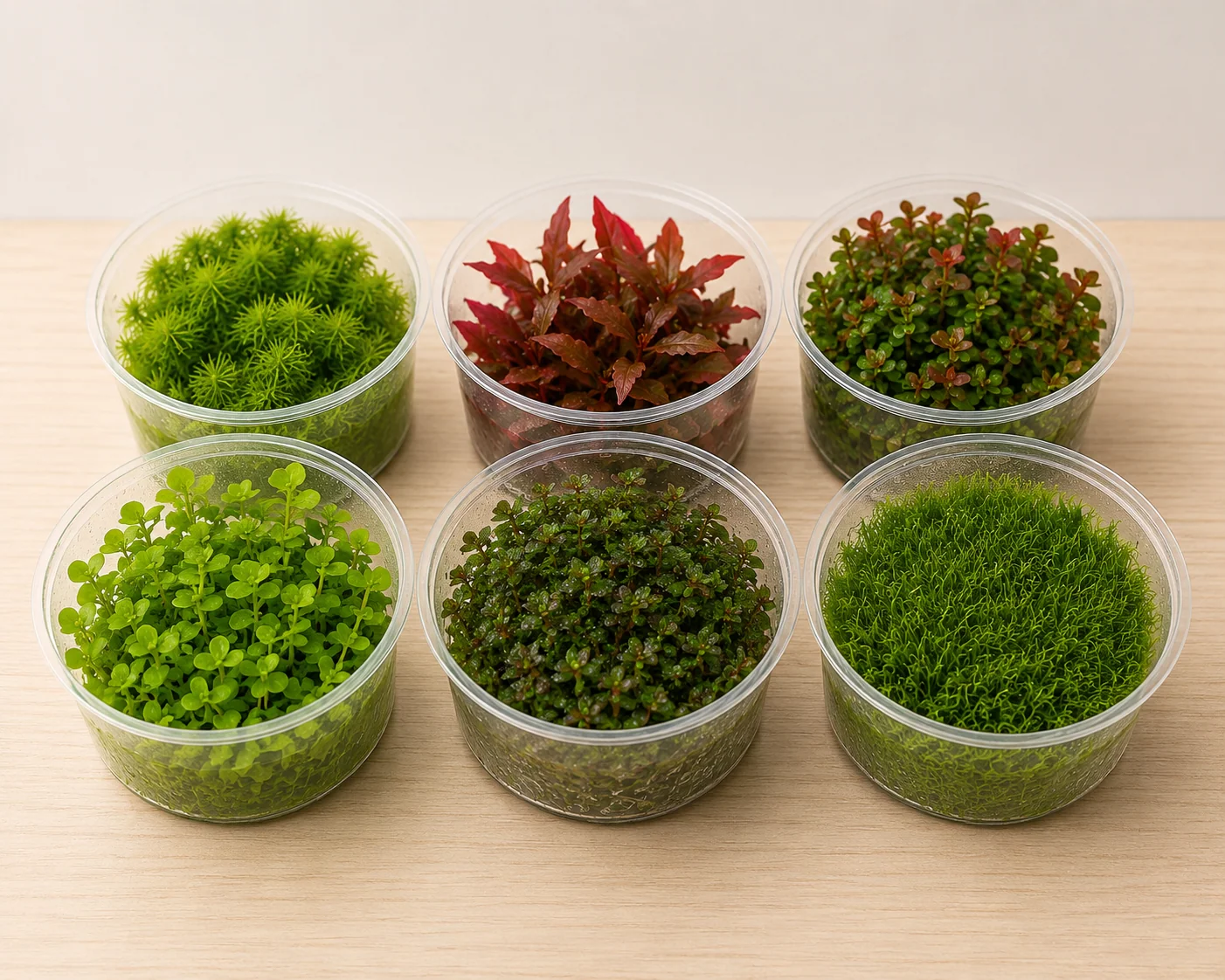
When purchasing Wholesale Tissue Culture Tropical Plants, buyers should look beyond the quoted price and assess whether the plants meet their production requirements. A thorough evaluation should cover variety identification, plant development, quality-control procedures, packaging, shipping, and after-delivery support. The following factors can help commercial growers make more informed purchasing decisions.
1. Confirm Plant Varieties and Specifications
Start by reviewing the supplier’s available tropical plant varieties. Make sure the listed names, cultivars, and descriptions match the plants required for your commercial operation.
Plant specifications should be clear before ordering. Ask the supplier about:
- Botanical and commercial plant names
- Variety or cultivar identification
- Plantlet development stage
- Approximate size and growth characteristics
- Root development and leaf condition
- Available quantities and production schedules
Do not rely only on general product descriptions. Confirm the exact specifications of the batch you intend to purchase, especially when ordering several varieties.
2. Assess the Overall Plant Quality
Plant quality is one of the most important considerations when evaluating a bulk order. Healthy tissue culture plantlets should meet the agreed development and appearance standards for their species and stage.
Request recent photographs or videos that show the actual plants or representative production batches. Depending on the plant stage, useful indicators may include healthy foliage, appropriate root development, normal coloration, and the absence of visible contamination.
Ask the supplier how plant quality is checked before packaging. A clear inspection process can help establish expectations and reduce disagreements after delivery.
3. Review the Supplier’s Production Experience
The supplier’s experience can provide useful insight into its ability to handle commercial orders. Tissue culture production requires specialized knowledge, controlled laboratory procedures, and suitable quality management.
Before placing a large order, find out:
- How long the supplier has produced tissue culture plants
- Which tropical varieties it regularly propagates
- Whether it has experience with international shipments
- How production batches are identified and inspected
- Whether it can provide technical information about plant care
A supplier that communicates clearly about its production process can make order planning easier. Request relevant business references or examples of previous export experience when appropriate.
4. Check Quality-Control and Plant Health Procedures
Tissue culture propagation takes place under controlled conditions, but this does not mean every shipment is automatically free from pests, pathogens, or other quality problems.
Ask about the supplier’s sanitation practices, starting material selection, contamination monitoring, and batch inspection procedures. You should also confirm whether any plant health testing or certification is available or required for your destination.
Useful questions include:
- How are laboratory tools and work areas sanitized?
- How are contaminated cultures identified and handled?
- What checks are performed before plants are released?
- How are plant varieties and batches kept separate?
- What documentation accompanies the shipment?
These details help buyers understand how plant quality is managed from propagation through dispatch.
5. Evaluate Minimum Order Quantities and Supply Capacity
Bulk purchasing often involves minimum order quantities, which may vary by plant variety, development stage, and supplier production capacity.
Before confirming an order, check whether the supplier can provide the required quantity within your preferred timeframe. If several varieties are involved, ask whether they can be supplied together or will need separate production and shipping schedules.
Consider your nursery’s actual demand, available growing space, and acclimatization capacity. Ordering more plants than your facility can manage may create avoidable pressure on labor and resources.
For a new supplier, starting with a manageable order can also provide useful information about plant quality and delivery performance before committing to larger quantities.
6. Understand Packaging and Transportation Arrangements
Even well-produced plants can experience stress during international transportation. Packaging and shipping arrangements should therefore be reviewed before payment and dispatch.
Ask the supplier to explain how the plants will be prepared, protected, and packed. Packaging should be appropriate for the plant development stage and comply with the import requirements of the destination country.
Confirm the following details:
- Packaging type and protective materials
- Expected dispatch date
- Shipping method and estimated transit time
- Temperature considerations during transportation
- Shipment tracking arrangements
- Procedures for reporting damaged or delayed deliveries
Air freight may be suitable for many live plant shipments because it can reduce transit time, but the best option depends on the order size, destination, and plant requirements.
7. Verify Import Regulations and Required Documents
International plant shipments are subject to agricultural and biosecurity controls. Requirements vary by country, plant species, and shipment conditions, so buyers should verify them before placing an order.
Depending on the destination, documentation may include an import permit, phytosanitary certificate, commercial invoice, packing list, and transport documents.
Contact the relevant plant protection authority to confirm:
- Whether the plant species are permitted for import
- Whether an import permit is necessary
- Which phytosanitary declarations or certificates are required
- Whether inspection or quarantine applies
- Whether specific packaging or growing-medium restrictions exist
Do not assume that tissue culture plants are exempt from normal plant import procedures. Confirm the applicable rules before the supplier prepares the shipment.
8. Compare Total Costs Instead of Purchase Prices Alone
A low unit price does not always represent the best value. Buyers should calculate the full cost of receiving and establishing the plants.
Include expenses such as:
- Plant purchase price
- Packaging and preparation fees
- International freight charges
- Customs duties and taxes
- Inspection and certification costs
- Customs clearance and local transportation
- Acclimatization supplies and labor
- Potential losses during transportation and establishment
Comparing the total landed cost per successfully established plant gives a more realistic picture of the investment. It also helps businesses determine whether a supplier’s offer fits their production budget.
9. Review Payment Terms and Order Conditions
Before making payment, read the supplier’s quotation and sales terms carefully. Make sure all important details are documented rather than relying only on informal conversations.
Pay attention to:
- Deposit and balance payment requirements
- Accepted payment methods
- Order confirmation procedures
- Production and dispatch timelines
- Cancellation or modification conditions
- Policies for damaged, missing, or incorrect products
Clarify who is responsible for specific shipping and customs arrangements. If any terms are unclear, request written explanations before confirming the order.
10. Establish Clear Communication and After-Sales Support
Communication should continue after the order is placed. Reliable coordination helps buyers receive updates about production, packaging, dispatch, and any unexpected changes.
Ask whether the supplier can provide handling instructions, acclimatization guidance, and support if plants arrive in unsatisfactory condition. Agree on how quickly delivery problems should be reported and which evidence may be required.
After receiving the shipment, inspect the plants promptly and share relevant feedback. Keeping records of plant condition, survival rates, and development can help evaluate the supplier for future orders.
Conclusion
Evaluating wholesale tissue culture tropical plants before placing a bulk order involves more than checking availability and comparing prices. Buyers should assess plant specifications, quality-control procedures, supplier experience, production capacity, shipping arrangements, and import requirements.
A structured purchasing process helps commercial growers reduce uncertainty and select planting material that fits their production needs. By confirming expectations in writing, starting with manageable quantities when appropriate, and maintaining clear supplier communication, nurseries can build a more reliable sourcing strategy for long-term tropical plant production.