Modern horticulture is constantly evolving as growers look for more efficient ways to produce healthy plants, maintain consistent quality, and meet increasing market demand. Commercial nurseries, agricultural businesses, garden centers, and landscaping companies require dependable sources of planting material to support their operations. Traditional propagation methods remain important, but laboratory-based techniques have introduced new opportunities for large-scale plant production.
One of the most significant developments is the use of Wholesale Tissue Culture Plants in commercial horticulture. Through controlled propagation techniques, suppliers can produce large quantities of selected plant varieties while maintaining relatively consistent characteristics. This approach supports modern growing practices, expands plant availability, and helps businesses organize their production activities more effectively.
Understanding Tissue Culture Plants in Modern Horticulture
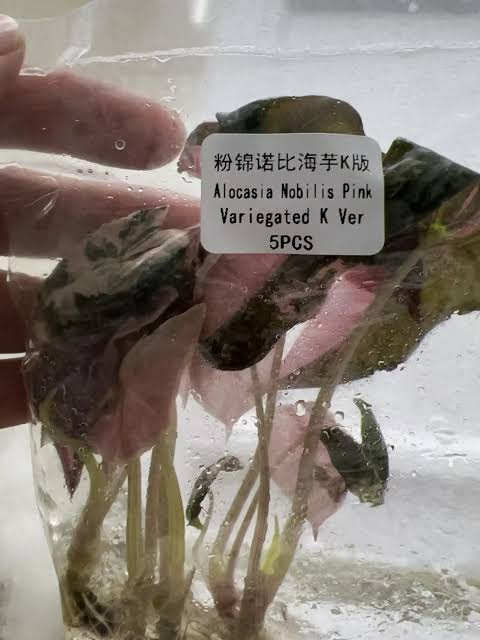
Tissue culture is a plant propagation technique that involves growing small sections of plant tissue in a sterile, nutrient-rich environment. It is also commonly known as micropropagation.
During this process, plant material is placed in specialized containers containing nutrients and growth regulators. Under controlled conditions, the tissue develops into shoots and eventually forms complete plantlets with roots.
Once the plantlets reach an appropriate stage, they are transferred to greenhouse or nursery environments for acclimatization and further development.
This method is particularly useful for plants that are difficult to propagate through conventional techniques or require large quantities of uniform planting material.
1. Supporting Large-Scale Plant Production
One of the main ways tissue culture supports modern horticulture is by making large-scale plant multiplication possible.
Traditional propagation methods, such as cuttings, division, and seed production, can require considerable time and starting material. Some varieties also have limited propagation rates under conventional conditions.
Tissue culture allows laboratories to multiply selected plant material through repeated production cycles.
For commercial nurseries, this offers several advantages:
- Increased production potential for selected varieties.
- More efficient use of parent plant material.
- Better coordination of planting schedules.
- Greater flexibility when responding to market demand.
- Opportunities to expand commercial plant inventories.
These benefits are particularly relevant for businesses supplying large quantities of ornamental and agricultural plants.
2. Improving Plant Uniformity and Consistency
Consistency is an important requirement in commercial horticulture. Nurseries and distributors often need plants with similar growth characteristics, leaf patterns, and overall appearance.
Tissue culture propagation can help achieve this by producing plants from carefully selected parent material.
When suitable protocols are followed, the resulting plants can maintain desirable genetic characteristics across production batches.
This is valuable for businesses supplying:
- Decorative indoor plants.
- Commercial landscaping projects.
- Ornamental flowering plants.
- Agricultural planting material.
- Retail garden centers.
However, genetic uniformity does not guarantee identical growth performance. Environmental conditions, nutrient availability, and cultivation practices can still influence plant development.
3. Expanding Access to Diverse Plant Varieties
Modern horticulture serves customers with different preferences and cultivation requirements. Tissue culture helps suppliers produce a wide range of plant varieties that may be challenging to multiply through traditional propagation.
Popular categories include:
Ornamental Foliage Plants
La Costola di Adamo (Monstera deliciosa) si adatta a qualsiasi ambiente | extralarge
Aglaonema Imperial Red – Decorative Bonsai and Green Plants
Foliage plants are widely used in homes, offices, hotels, and commercial landscapes.
Popular examples include Monstera, Philodendron, Aglaonema, Alocasia, and Calathea. Their distinctive leaf shapes and colors make them attractive products for commercial nurseries.
Flowering Plants
Phalaenopsis Sogo Yukidian ‘V3’ (White Florious) – floarea XXL – Secret Garden Plant Shop
Anthurium Red Indoor Plant – Bhumij Plants
Viveros Cadalso de los Vidrios
8
Flowering plants are important in ornamental horticulture because of their decorative value and commercial applications.
Orchids, Anthuriums, and Gerberas are examples of flowering varieties that can be propagated through tissue culture techniques.
Agricultural Plants
Arcadia biotech – arcadiabiotech.in
경남농업기술원, 조직배양 딸기 우량묘 ‘설향·금실’ 분양
TNAU Agritech Portal :: Bio Technology
10
Certain agricultural crops also benefit from micropropagation.
Bananas and strawberries are common examples where tissue culture can support the production of planting material for commercial cultivation.
By offering different plant categories, suppliers can serve a broader range of horticultural businesses.
4. Supporting Year-Round Propagation
Traditional plant propagation is sometimes influenced by seasonal changes, weather conditions, and the availability of suitable parent material.
Tissue culture production takes place in controlled laboratory environments, making it possible to manage many propagation activities independently of outdoor growing seasons.
This provides commercial suppliers with greater flexibility when organizing production schedules.
For nurseries, a more predictable supply of plantlets can support inventory planning and help reduce interruptions in cultivation activities.
However, actual production schedules still depend on the plant species, laboratory capacity, and the time required for each propagation stage.
5. Improving Commercial Nursery Efficiency
Commercial nurseries must balance plant production, labor requirements, greenhouse space, and operating expenses.
Tissue culture can contribute to more organized production systems by allowing suppliers to multiply plants before transferring them to larger growing environments.
This can improve the management of selected varieties and help businesses plan their available resources.
Additional operational benefits may include:
- More organized propagation schedules.
- Efficient use of parent plant material.
- Better batch identification and tracking.
- Greater flexibility in production planning.
- Opportunities to standardize cultivation procedures.
These improvements can be particularly useful for nurseries managing several plant categories simultaneously.
6. Supporting Plant Health Management
Plant health is essential for successful horticultural production. Tissue culture laboratories use controlled environments and sterilization procedures to reduce contamination risks during propagation.
When appropriate methods are followed, this technique can help produce clean planting material with lower exposure to certain pathogens.
However, tissue culture does not automatically guarantee that every plant is completely free from pests or diseases.
Maintaining plant health requires proper laboratory hygiene, careful inspection, suitable acclimatization, and responsible handling after delivery.
Commercial growers should also follow appropriate quarantine and plant-health procedures when introducing new plant material into their facilities.
7. Contributing to Agricultural Development
Tissue culture has applications beyond ornamental plant production. It also supports modern agricultural systems by providing planting material for selected commercial crops.
For example, tissue culture banana plants are used in commercial plantations because they can be produced in relatively large quantities with consistent varietal characteristics.
Strawberry growers may also use tissue culture-derived plants to establish productive growing systems.
The technique can help agricultural businesses plan plantation establishment and maintain access to selected cultivars.
Its usefulness depends on the crop, production protocols, and suitability of the plants for local growing conditions.
8. Supporting Plant Conservation and Biodiversity Efforts
Some plant species are difficult to propagate through conventional methods or have limited natural populations.
Tissue culture can support conservation activities by multiplying selected plant material under controlled conditions.
This approach is used in certain conservation and botanical research programs to help preserve valuable plant varieties.
It can also support the propagation of rare ornamental plants that have commercial or horticultural significance.
Nevertheless, tissue culture should be considered part of broader conservation strategies rather than a complete replacement for habitat protection and biodiversity management.
9. Creating Opportunities for International Plant Distribution
The horticulture industry has become increasingly interconnected, with nurseries and distributors sourcing plant material from different countries.
Tissue culture supports this market by enabling suppliers to prepare relatively small plantlets for specialized transportation and commercial distribution.
Depending on the plant species and development stage, these plants may be transported in sterile containers, trays, or other protective packaging systems.
International distribution requires careful attention to:
- Plant-health certification.
- Import permits and agricultural regulations.
- Suitable packaging materials.
- Transit time and temperature management.
- Destination-country quarantine requirements.
Proper planning helps reduce transportation risks and supports the safe movement of plant material between markets.
10. Helping Businesses Manage Wholesale Purchasing
Wholesale purchasing is an important part of modern horticultural supply chains. Nurseries, garden centers, and plant distributors often require large quantities of plants to maintain sufficient inventory.
Buying tissue culture plants in bulk can help businesses organize procurement according to expected demand.
Important purchasing considerations include:
Variety selection: Choose plants that match your target market and growing facilities.
Supplier reliability: Evaluate production capacity, experience, and quality-control procedures.
Plant development stage: Confirm whether plants are supplied directly from the laboratory or after acclimatization.
Pricing structure: Compare unit prices alongside packaging, shipping, and handling expenses.
Delivery planning: Coordinate shipment schedules with available nursery space and labor resources.
Businesses researching commercial plant suppliers can explore companies such as Young Plants when evaluating plant varieties and wholesale sourcing options.
11. The Role of Technology in Modern Tissue Culture Production
Technological developments continue to improve laboratory propagation processes.
Modern tissue culture facilities use specialized equipment and controlled systems to manage important environmental conditions.
Some important developments include:
Laboratory Automation
Automated equipment can assist with repetitive tasks such as media preparation, container handling, and certain propagation operations.
This can reduce manual workload and support more standardized production processes.
Improved Nutrient Formulations
Research into plant growth regulators and nutrient compositions helps laboratories develop suitable propagation protocols for different species.
Optimized formulations can influence shoot multiplication, root development, and plantlet growth.
Better Contamination Monitoring
Improved laboratory procedures and monitoring systems help identify contamination risks and maintain suitable sterile conditions.
These practices are essential for protecting production batches and maintaining quality standards.
Advanced Environmental Control
Modern facilities can regulate temperature, lighting, and other environmental factors to provide more consistent conditions for plant development.
Such improvements help laboratories manage different plant varieties according to their specific requirements.
Challenges Associated With Tissue Culture in Horticulture
Although tissue culture provides several advantages, it also involves challenges that growers and suppliers must understand.
High Initial Investment
Establishing a professional tissue culture laboratory requires specialized equipment, trained personnel, controlled environments, and suitable facilities.
These requirements can create significant initial costs for commercial producers.
Contamination Risks
Bacterial and fungal contamination can affect laboratory cultures and damage entire production batches.
Strict sterilization procedures and continuous monitoring are necessary to minimize these risks.
Acclimatization Requirements
Laboratory-grown plants may be sensitive to changes in humidity, temperature, and light intensity.
Gradual acclimatization is essential to improve their ability to survive and develop under normal growing conditions.
Species-Specific Propagation Requirements
Not every plant responds to the same propagation protocol. Different species may require specialized nutrient media, growth regulators, and environmental conditions.
This makes technical expertise important for maintaining successful production.
Future Trends in Tissue Culture and Modern Horticulture
The future of tissue culture is closely connected to the growing demand for efficient plant production and more diverse horticultural products.
Several developments are expected to influence the industry.
- Greater automation: More laboratories may adopt automated systems to improve production efficiency.
- Expanded ornamental varieties: Demand for unusual foliage patterns and decorative cultivars may encourage further propagation research.
- Improved propagation protocols: Species-specific methods may help increase multiplication efficiency and improve plant development.
- Sustainable production practices: Laboratories may focus on optimizing water, energy, and material use.
- Advanced quality monitoring: Improved inspection and tracking systems can support better production management.
These developments may create additional opportunities for commercial growers, plant suppliers, and horticultural distributors.
Conclusion
Wholesale tissue culture plants play an important role in supporting modern horticulture by improving propagation efficiency, expanding plant availability, and helping commercial businesses manage large-scale production.
From ornamental foliage and flowering plants to selected agricultural crops, tissue culture provides opportunities to multiply diverse plant varieties under controlled conditions.
Although the technique requires specialized facilities, careful quality control, and proper acclimatization, its advantages make it valuable for many modern horticultural applications.
As technology continues to advance, tissue culture is likely to remain an important part of commercial plant production, helping nurseries, growers, and distributors respond to changing market requirements and support the continued development of the horticulture industry.