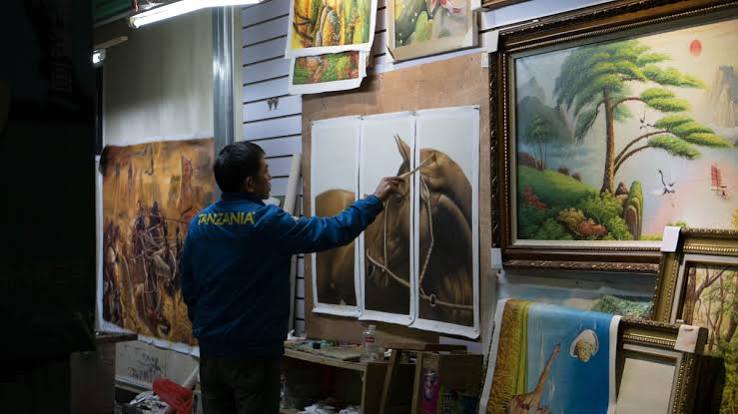
Producing high-quality oil paintings requires more than artistic talent. Manufacturers must combine skilled craftsmanship, suitable materials, organized production procedures, and effective inspection methods to ensure that every finished artwork meets the expected standards. Whether creating traditional landscapes, modern abstract compositions, or customized decorative paintings, maintaining consistent quality is essential for building customer confidence.
A professional oil painting factory follows structured production practices to manage different stages of artwork creation without compromising artistic value. From selecting reliable painting materials to reviewing brushwork and inspecting finished canvases, each step contributes to the final result. Understanding these quality management practices provides valuable insight into how manufacturers maintain reliable standards across different painting styles and production orders.
Why Quality Control Is Important in Oil Painting Production
Quality control plays an important role in handmade and decorative oil painting manufacturing. Even when paintings are created by experienced artists, differences in materials, techniques, and working conditions can influence the final appearance.
A structured quality management process helps manufacturers identify problems early and maintain appropriate production standards.
Some major benefits include:
- Maintaining consistent artwork quality across different orders.
- Reducing material waste and production errors.
- Improving customer satisfaction.
- Protecting the durability and appearance of paintings.
- Ensuring that customized requirements are followed.
- Strengthening long-term relationships with buyers and retailers.
Consistent quality is particularly important for manufacturers handling wholesale orders or supplying paintings to international markets.
1. Selecting Reliable Painting Materials
Material selection is the foundation of quality oil painting production. The characteristics of paints, canvases, primers, and supporting materials directly influence the appearance and durability of finished artwork.
High-Quality Oil Paints
Oil paints consist of pigments mixed with drying oils. Their pigmentation, consistency, transparency, and drying properties can vary depending on the formulation.
Manufacturers should select suitable paints according to the intended artwork and desired visual effects.
Important considerations include:
- Color intensity and pigmentation.
- Consistency and application properties.
- Lightfastness and color stability.
- Compatibility with different painting techniques.
- Appropriate drying characteristics.
Using suitable paints helps artists achieve balanced colors and more predictable results.
Canvas Quality
Canvas provides the surface on which oil paintings are created. Cotton and linen are common options, offering different textures and structural characteristics.
Before production, canvas should be checked for defects, uneven surfaces, and appropriate tension. Proper priming also helps create a suitable foundation for paint application.
Supporting Materials
Brushes, palette knives, primers, stretcher frames, and finishing products also influence the final result. Manufacturers should maintain appropriate material standards and replace damaged or unsuitable supplies when necessary.
2. Standardizing the Artwork Production Process
A structured workflow helps maintain consistency across different projects. Although handmade paintings require individual artistic judgment, certain production procedures can be standardized.
A typical manufacturing workflow includes:
- Reviewing the artwork concept and customer requirements.
- Preparing the canvas and supporting materials.
- Establishing the composition through sketching.
- Applying initial paint layers.
- Developing colors, textures, and fine details.
- Allowing appropriate drying time.
- Completing finishing procedures.
- Conducting final quality inspections.
- Preparing the artwork for packaging and delivery.
Clear production instructions help artists understand the required dimensions, subject, color scheme, and finishing expectations.
This reduces misunderstandings and makes it easier to coordinate multiple projects.
3. Employing Skilled and Experienced Artists
Artists are central to maintaining quality in handmade oil painting production. Their technical knowledge influences nearly every aspect of the finished artwork.
Experienced painters understand how to control brush pressure, mix pigments, develop shadows, and create smooth color transitions.
They can also identify artistic problems that may not be obvious during routine inspections.
Importance of Artistic Training
Manufacturers can improve consistency by providing ongoing training and encouraging artists to develop their technical abilities.
Training programs may cover:
- Color theory and pigment mixing.
- Canvas preparation techniques.
- Brushwork and palette knife applications.
- Layering and glazing methods.
- Perspective and composition.
- Texture development.
- Proper drying and finishing practices.
Senior artists can also review work produced by less experienced painters and provide practical guidance.
4. Maintaining Color Accuracy and Consistency
Color accuracy is especially important when producing multiple paintings from the same design or fulfilling customized orders.
Small differences in pigment combinations or application techniques can create noticeable variations.
Manufacturers can improve color consistency through careful preparation and clear visual references.
Creating Standard Color References
Artists may use approved reference images, sample paintings, and documented color combinations to guide production.
These references are particularly useful for repeat orders and coordinated artwork collections.
Monitoring Pigment Combinations
Pigments have different tinting strengths and transparency levels. Artists must understand these properties when mixing colors.
Accurate measurements and documented mixing procedures can help reproduce similar shades across multiple paintings.
Reviewing Lighting Conditions
The appearance of paint colors can change under different lighting conditions.
Inspecting paintings under suitable and consistent lighting helps identify unwanted color differences before completion.
5. Applying Consistent Painting Techniques
Different oil painting techniques create different visual effects. Manufacturers must ensure that artists select appropriate methods according to the intended design.
Layering
Layering involves building an image through multiple paint applications. Proper control of paint consistency and drying time helps maintain a stable surface.
Glazing
Glazing creates transparent color effects by applying thin paint layers over sufficiently dry surfaces. It requires careful pigment selection and application.
Impasto
Impasto produces raised textures through relatively thick paint applications. Artists must apply this technique deliberately to maintain the intended composition.
Blending
Blending helps create smooth transitions between colors, particularly in realistic landscapes, portraits, and still-life artwork.
Consistency does not mean eliminating individual artistic expression. Instead, it means applying suitable techniques while maintaining the quality expectations associated with each product category.
6. Implementing Quality Checks at Different Production Stages
Waiting until the end of production to inspect artwork can increase correction costs and create unnecessary delays.
A more effective approach involves examining paintings at several important stages.
Initial Material Inspection
Before painting begins, specialists should examine canvas quality, paint supplies, primers, and frames.
Identifying defective materials early helps prevent problems during later production.
Mid-Production Inspection
During painting, experienced artists or supervisors can review composition, color balance, brushwork, and design accuracy.
This stage allows corrections to be made before the artwork becomes more difficult to modify.
Final Artwork Inspection
Once the painting is sufficiently dry and ready for finishing, it should receive a comprehensive review.
Inspectors should check:
- Composition and proportions.
- Color accuracy.
- Brushwork and texture.
- Surface imperfections.
- Canvas condition.
- Frame stability, where applicable.
- Compliance with customer specifications.
A documented inspection process helps manufacturers maintain accountability.
7. Managing Drying and Finishing Procedures
Oil paints generally require longer drying periods than water-based paints. Drying behavior depends on pigment composition, oil formulation, environmental conditions, and paint thickness.
Factories must account for these differences when planning production schedules.
Thin paint layers may dry relatively quickly, while thick impasto applications can require considerably longer.
Controlled Drying Conditions
Paintings should be stored in appropriate environments with suitable ventilation and stable conditions.
They should also be protected from excessive dust, accidental contact, and unsuitable handling while drying.
Proper Varnishing
A protective varnish may be applied after the painting has cured sufficiently, following the varnish manufacturer’s recommendations.
Using the correct product and application method helps achieve an appropriate finish without compromising the paint surface.
These procedures contribute to the long-term appearance and presentation of the artwork.
8. Maintaining Canvas and Frame Standards
The structural quality of a painting is just as important as its visual appearance.
A poorly stretched canvas may become loose or develop surface irregularities. Similarly, an unsuitable frame can affect the stability and presentation of finished artwork.
Manufacturers should inspect:
- Canvas tension and alignment.
- Wooden stretcher frame condition.
- Corner connections and structural support.
- Surface preparation and priming.
- Frame dimensions and finishing.
- Mounting and attachment quality.
Proper structural preparation helps paintings maintain their presentation during storage, transportation, and display.
9. Using Technology to Improve Production Consistency
Modern technology can support traditional oil painting production by improving planning, communication, and quality management.
Although handmade artwork still depends on human creativity, digital tools can make production processes more organized.
Digital Design References
High-resolution images and digital sketches allow artists to examine compositions and details before beginning work.
These references are especially useful for customized paintings and repeat orders.
Inventory Management Systems
Digital inventory tools help manufacturers monitor paint supplies, canvas materials, frames, and other production resources.
Better inventory management reduces shortages and helps maintain consistent material availability.
Production Tracking
Order management systems allow production teams to monitor project progress, identify delays, and coordinate different departments.
Quality Documentation
Digital records can store inspection results, approved artwork references, and customer specifications.
This information is valuable when managing repeat projects or reviewing previous production issues.
10. Training Employees and Improving Production Standards
Quality management requires continuous improvement. Even established manufacturers must review their procedures and identify opportunities to improve.
Regular training helps employees understand production expectations and develop better working methods.
Manufacturers can encourage improvement through:
- Practical workshops for painters.
- Reviews of completed artwork.
- Training in material handling.
- Updated quality inspection guidelines.
- Feedback from customers and retailers.
- Discussions between artists and production supervisors.
An environment that encourages learning helps maintain artistic standards while improving production efficiency.
11. Handling Customized Orders Without Compromising Quality
Customized artwork presents additional challenges because each order may involve different subjects, colors, dimensions, and artistic requirements.
Manufacturers should establish clear communication before beginning production.
Important details should include the painting’s reference design, required dimensions, color preferences, artistic style, and framing specifications.
An approved sample or preliminary design can help confirm expectations before the complete order proceeds.
For larger orders, documented specifications also help different artists maintain a consistent approach.
12. Packaging and Storage for Artwork Protection
Quality management continues even after the painting is completed.
Improper handling or packaging can damage an otherwise excellent piece of artwork.
Manufacturers should ensure that paintings are adequately protected during storage and transportation.
Common protective measures include:
- Using suitable protective wrapping.
- Preventing direct pressure on the painted surface.
- Adding corner protection for framed artwork.
- Selecting strong outer packaging.
- Using cushioning to reduce movement.
- Providing appropriate handling instructions.
Storage conditions should also protect paintings from excessive moisture, temperature fluctuations, and accidental surface contact.
Common Quality Problems in Oil Painting Production
Understanding common defects helps manufacturers develop better inspection procedures.
| Quality problem | Possible cause | Prevention method |
|---|---|---|
| Uneven color application | Inconsistent paint mixing | Use approved color references |
| Loose canvas | Improper stretching | Inspect canvas tension |
| Visible brush marks | Inconsistent technique | Improve artist training |
| Surface cracking | Inappropriate paint application or drying conditions | Follow sound painting practices |
| Dust contamination | Poor storage conditions | Maintain clean workspaces |
| Frame damage | Weak construction or handling | Inspect and protect frames |
| Inconsistent artwork details | Unclear design instructions | Use approved references |
Identifying the underlying cause of each problem is more effective than simply correcting individual defects.
How Consistent Quality Benefits Buyers and Retailers
Manufacturing consistency provides several advantages to businesses that purchase oil paintings regularly.
Retailers can maintain more reliable product standards across their collections. Interior designers can coordinate artwork with specific decorative themes, while wholesalers can reduce the risks associated with receiving inconsistent products.
Other benefits include:
- Fewer quality-related complaints.
- Better customer satisfaction.
- Reduced product returns and replacements.
- More predictable order management.
- Improved supplier relationships.
- Greater confidence in repeat purchases.
For businesses operating in competitive decorative art markets, these advantages can contribute to long-term growth.
Conclusion
Maintaining quality and consistency in oil painting production requires a combination of skilled artists, reliable materials, standardized workflows, and effective inspection procedures. Every stage, from canvas preparation and pigment selection to painting, drying, finishing, and packaging, influences the final result.
Modern production technologies can improve organization and documentation, but artistic expertise remains essential for creating distinctive handmade artwork. Manufacturers that invest in employee training, material standards, and continuous quality improvement are better positioned to meet changing customer expectations.
For businesses such as ARTLAND, maintaining a balance between traditional craftsmanship and organized production practices is an important consideration in the decorative wall art industry. Ultimately, consistent quality helps ensure that every painting delivers the artistic appeal, presentation, and reliability expected by its intended audience.