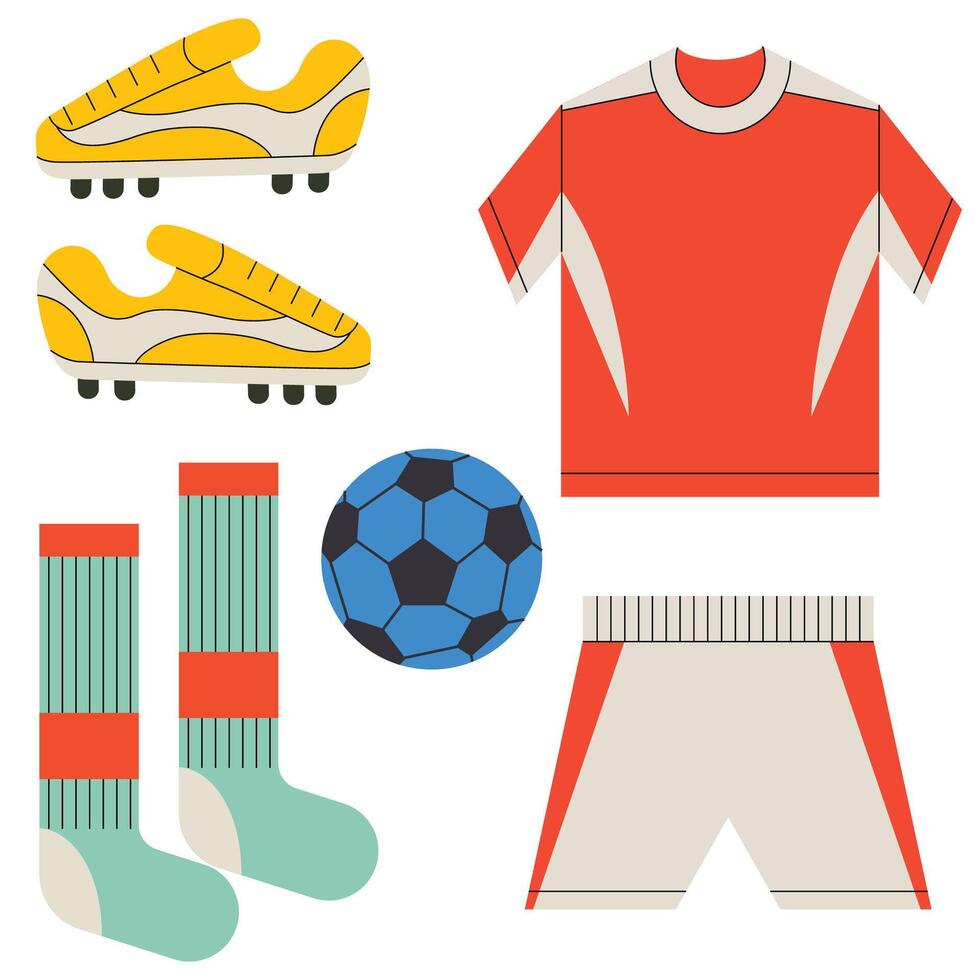
Soccer is a physically demanding sport that combines sprinting, rapid changes of direction, kicking, jumping, and frequent player contact. Appropriate equipment can help players stay comfortable while reducing avoidable risks during training and competition.
Choosing suitable equipment starts with understanding what each item is designed to do. A helpful Soccer Gear Guide can introduce players to different equipment categories, while factors such as fit, playing surface, weather, and position can help determine which options are most appropriate.
Why Proper Soccer Gear Matters
Soccer equipment is not simply about appearance or following a traditional uniform. Each major item has a practical purpose, whether that means improving traction, protecting vulnerable areas, or allowing unrestricted movement.
Poorly fitted or unsuitable equipment can become distracting during play. In some situations, using equipment designed for the wrong environment may also increase the likelihood of slips, discomfort, or unnecessary impact.
Cleats and Playing Surface
Soccer cleats are particularly important because they influence how a player interacts with the playing surface. The sole pattern provides traction when accelerating, stopping, and changing direction.
Different surfaces require different footwear. Firm-ground cleats are generally designed for suitable natural grass, while artificial-ground models are intended for synthetic pitches. Indoor soccer shoes use flat soles for hard indoor courts.
Wearing appropriate footwear can help players maintain stability without compromising natural movement.
Shin Guards and Lower-Leg Protection
Shin guards are one of the primary pieces of protective equipment used by soccer players. They are designed to help reduce the effects of contact involving the lower leg.
A good shin guard should provide appropriate coverage while remaining securely positioned. If it shifts repeatedly during movement, it can become uncomfortable and distracting.
Players should select a size and style that suits their legs and playing requirements rather than choosing solely according to appearance.
The Role of Goalkeeper Equipment
Goalkeepers face different physical demands from outfield players. They regularly dive, land, catch high-speed shots, and make contact with the ground.
Goalkeeper gloves provide grip when handling the ball, while some protective clothing includes padding around areas that experience frequent impact.
The right goalkeeper equipment should balance protection, mobility, and comfort. Gloves, in particular, need to fit securely without limiting natural hand movement.
Comfortable Clothing and Freedom of Movement
Soccer clothing should allow players to run, kick, stretch, and turn without unnecessary restriction. Jerseys and shorts made from lightweight materials are commonly used for this reason.
Breathable fabrics can also help manage moisture during demanding sessions. Staying comfortable can make it easier for players to maintain concentration as activity levels increase.
Clothing that fits appropriately should move with the player rather than constantly requiring adjustment.
Soccer Socks and Shin Guard Stability
Soccer socks have a practical role in addition to completing a uniform. They help cover the lower leg and keep shin guards in position.
A secure fit can prevent socks from bunching around the ankle or slipping down during a match. Moisture-managing materials may also help reduce discomfort during extended periods of activity.
Players should make sure their socks work comfortably with their cleats and shin guards.
Equipment and Ball Control
Although equipment cannot replace technical ability, suitable gear can help create consistent conditions for practice.
A properly sized and inflated soccer ball allows players to develop passing, shooting, dribbling, and first-touch skills with predictable ball behavior.
Similarly, properly fitted footwear can provide a stable platform for repeated technical movements.
Training Equipment and Skill Development
Training equipment can support specific physical and technical objectives. Cones, agility ladders, hurdles, and rebounders are examples of accessories that can be incorporated into structured sessions.
Cones can create dribbling courses or mark training zones. Agility ladders can support footwork exercises, while rebounders can provide repeated passing and receiving opportunities.
The value of training equipment depends on how effectively it is incorporated into a purposeful training plan.
Hydration and Physical Performance
Hydration is another important consideration for soccer players. Training and matches can involve substantial fluid loss through sweating, particularly in warm or humid conditions.
Having a water bottle readily available encourages regular access to fluids. The amount a player needs can vary based on activity duration, environmental conditions, and individual factors.
For longer or particularly demanding sessions, players may also consider appropriate electrolyte replacement based on their needs.
Gear for Different Weather Conditions
Weather can influence both comfort and performance. In hot conditions, lightweight clothing and adequate hydration can help players manage heat during physical activity.
Cold-weather training may require multiple layers that can be adjusted as body temperature changes. Rain-resistant clothing can also be useful when playing outdoors in wet conditions.
Regardless of the weather, clothing should provide protection without interfering with running or other movements.
Proper Fit Is Essential
Equipment can only perform as intended when it fits correctly. Cleats that are too loose may affect stability, while footwear that is too tight can cause discomfort.
The same principle applies to shin guards, goalkeeper gloves, socks, and clothing. Players should follow sizing information and, where possible, try equipment before purchasing it.
Fit should be considered alongside durability and material quality rather than treated as an afterthought.
Maintaining Soccer Equipment
Equipment maintenance can contribute to both longevity and performance. Cleats should be cleaned after muddy sessions, while wet clothing should be removed from equipment bags rather than left damp for long periods.
Goalkeeper gloves require careful cleaning and storage to help preserve their grip. Soccer balls should be maintained at the manufacturer’s recommended pressure.
Regularly inspecting equipment can also help players identify worn or damaged items before they become a problem.
Replacing Worn-Out Gear
Even high-quality equipment eventually needs replacement. Worn cleats may lose their intended traction, while damaged shin guards may no longer provide adequate coverage.
Players should pay attention to changes in comfort and equipment performance. Visible cracks, significant wear, loose components, or damaged materials are signs that an item may need to be replaced.
Replacing equipment when necessary is part of maintaining a practical and safe setup.
Finding the Right Balance
The goal of soccer equipment is not to maximize the number of products a player owns. Instead, each item should serve a useful purpose and support the player’s individual requirements.
Beginners can usually start with basic essentials, while experienced or competitive players may benefit from specialized equipment based on their position and training schedule.
Choosing equipment thoughtfully can reduce unnecessary spending while ensuring that important safety and performance needs are covered.
Final Thoughts
The right soccer gear can support players by improving comfort, providing protection, and creating suitable conditions for movement and skill development. Cleats, shin guards, clothing, goalkeeper equipment, and training accessories all have specific roles.
Players should consider their playing surface, position, experience, weather conditions, and personal fit when selecting equipment. With appropriate gear and proper maintenance, players can focus more confidently on developing their skills and enjoying the game.