The growing demand for takeaway meals and food delivery has made packaging an essential part of the modern food industry. Restaurants, cafes, and quick-service businesses use large quantities of containers, wrappers, and bags every day. While these materials help protect food and make transportation convenient, their disposal can create environmental challenges when packaging is poorly designed or difficult to recycle.
As environmental awareness increases, food businesses are exploring more responsible Fast Food Packaging solutions. Sustainable packaging focuses on reducing unnecessary material use, selecting suitable renewable or recycled resources, and improving disposal options without compromising food safety. Understanding these approaches can help restaurants make informed choices that benefit both their operations and the environment.
What Is Sustainable Fast Food Packaging?
Sustainable fast food packaging refers to packaging designed to reduce environmental impact throughout its lifecycle, from raw material sourcing and manufacturing to transportation, use, and disposal.
It considers more than whether a container is made from paper or plastic. Important factors include the resources used in production, energy consumption, material efficiency, durability, recyclability, and the availability of appropriate waste management facilities.
Common sustainable packaging options include:
- Recyclable paperboard food boxes.
- Kraft paper bags and wrappers.
- Packaging made with recycled fibers.
- Certified compostable food containers.
- Lightweight packaging that uses fewer materials.
- Reusable containers in suitable food service systems.
The most appropriate option depends on the food product, local disposal infrastructure, and the packaging’s ability to protect meals effectively.
Why Sustainable Packaging Matters for Food Businesses
Environmental responsibility is becoming an important consideration for restaurants and takeaway services. Packaging decisions can influence waste generation, customer perceptions, and long-term operating practices.
1. Reducing Packaging Waste
Single-use food containers can contribute significantly to waste when they are made from materials that cannot be recovered or processed locally.
Choosing recyclable or compostable alternatives where suitable may help reduce the amount of packaging sent to landfill. Businesses can also minimize waste by selecting containers that fit their food portions instead of using unnecessarily large boxes.
2. Supporting Responsible Resource Use
Packaging production requires raw materials, energy, and water. Selecting materials from responsibly managed sources or using recycled content can support more efficient resource use.
Lightweight designs may also reduce the quantity of material needed for each container.
3. Meeting Customer Expectations
Many customers pay attention to how restaurants manage packaging waste. Clearly communicated environmental initiatives can help businesses demonstrate responsibility and build stronger customer relationships.
However, environmental claims should be accurate and supported by product information or recognized certifications.
4. Encouraging Better Waste Management
Sustainable packaging can encourage restaurants and customers to separate waste correctly. Clear disposal instructions help users understand whether a container belongs in recycling, composting, or general waste.
This is especially important because not every paper, plastic, or compostable product can be processed by every local waste management system.
Popular Sustainable Packaging Materials
Material selection is one of the most important parts of developing an environmentally responsible packaging strategy.
Paperboard
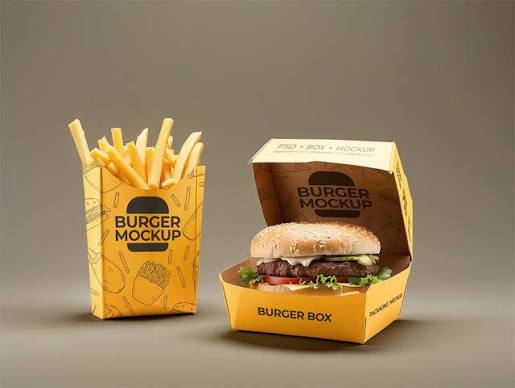
Paperboard is widely used for burger boxes, takeaway cartons, sandwich containers, and snack packaging.
Its main advantages include:
- Lightweight construction.
- Convenient folding and storage.
- Good printing capabilities.
- Availability in different thicknesses.
- Potential recyclability when material composition and local facilities allow.
Paperboard used for greasy or moist foods may require protective coatings. Businesses should check whether these treatments affect the container’s recyclability.
Kraft Paper
Kraft paper is commonly used for food bags, wrappers, and selected takeaway containers. It is often chosen for its natural appearance and practical strength.
When sourced from responsibly managed forests, it can be part of a more resource-conscious packaging approach. Its environmental performance still depends on manufacturing practices, coatings, and disposal conditions.
Recycled Paper Materials
Packaging made with recycled paper fibers can reduce demand for virgin raw materials.
These materials may be suitable for selected food packaging applications, depending on applicable food-contact regulations and product specifications. Businesses should confirm that recycled content is appropriate for the intended use.
Corrugated Cardboard
Corrugated cardboard uses a fluted middle layer between flat paper sheets to provide strength and cushioning.
It is commonly used for pizza boxes and larger food containers. Clean, uncontaminated cardboard may be recyclable where suitable collection and processing facilities exist.
Compostable Materials
Some food containers are made from materials designed to break down under specific composting conditions. They may include plant-based fibers or certified compostable polymers.
Businesses should distinguish between industrial compostability and home compostability. A product that requires industrial composting may not break down effectively in a backyard compost pile or ordinary landfill.
Environmental Benefits of Sustainable Fast Food Packaging
Choosing suitable packaging can contribute to several environmental improvements.
Lower Demand for Virgin Materials
Packaging that incorporates recycled content can reduce the need for newly sourced raw materials. This may help conserve natural resources and support material recovery systems.
The actual benefit depends on the material, manufacturing process, and availability of recycling infrastructure.
Reduced Waste Through Better Design
Efficient packaging designs use material more carefully. Properly sized containers reduce unnecessary packaging, while strong structures can help prevent damage and food loss during delivery.
Reducing food waste is also important because producing food requires land, water, energy, and other resources.
Improved Recycling Opportunities
Packaging made from recyclable materials can support a circular resource system when customers and businesses dispose of it correctly.
Clean, uncoated paperboard is generally easier to recycle than packaging contaminated with significant amounts of food, grease, or mixed materials.
Potentially Lower Transportation Impact
Lightweight and space-efficient packaging may reduce the weight and volume of shipments. This can help suppliers and restaurants transport more products efficiently.
The overall environmental impact depends on the complete supply chain, including manufacturing locations, transportation distances, and delivery methods.
Greater Awareness of Responsible Consumption
Using clearly labeled packaging can encourage customers to think about waste separation and disposal. Restaurants can reinforce these habits by providing practical recycling or composting instructions.
How Sustainable Packaging Maintains Food Quality
Environmental benefits should not come at the expense of food safety or product performance. Packaging must still protect meals during preparation, storage, and transportation.
Grease and Moisture Resistance
Foods such as burgers, fried chicken, and fries can release oil and moisture. Suitable materials or protective treatments help prevent containers from becoming weak or leaking.
Businesses should check whether the coatings used are compatible with their environmental goals and local recycling systems.
Ventilation for Hot Foods
Hot fried foods release steam that can accumulate inside sealed containers. Appropriate ventilation helps manage condensation and can support better food texture during transportation.
Strong and Reliable Construction
Containers should maintain their shape when filled, stacked, and carried. Durable designs help prevent spills and damage that could lead to food waste.
Appropriate Food-Contact Materials
Packaging must meet relevant food safety requirements for its intended application. Restaurants should request suitable specifications and compliance documentation from suppliers.
How Restaurants Can Adopt More Sustainable Packaging
Switching to more responsible packaging does not have to happen all at once. Restaurants can make gradual improvements by reviewing current products and identifying opportunities to reduce waste.
Review Existing Packaging
Start by examining the packaging used across the menu. Identify products that contain excessive material, are frequently damaged, or cannot be processed through local recycling systems.
This review can help businesses prioritize the most useful changes.
Choose Packaging Based on Food Requirements
Different meals require different container designs. Burgers, salads, fries, and saucy dishes should not automatically use the same packaging material.
Selecting suitable containers helps maintain food quality and prevents unnecessary packaging failures.
Reduce Unnecessary Packaging
Restaurants can review whether every order needs multiple bags, extra wrappers, or oversized containers.
Using appropriately sized packaging and avoiding unnecessary layers can reduce material consumption without affecting customer convenience.
Work with Responsible Suppliers
A dependable supplier should provide clear information about material composition, recycled content, certifications, and disposal instructions.
Businesses should also ask about production standards, quality control, and the availability of consistent product supplies.
Educate Employees and Customers
Staff should understand how to use and separate different packaging materials. Customers can also benefit from clear disposal labels printed on containers or displayed at collection points.
Simple instructions make responsible waste management easier to follow.
The Importance of Recyclability and Compostability
Recyclable and compostable packaging are often discussed together, but they are not interchangeable.
Recyclable Packaging
Recyclable packaging can be collected and processed into materials used for new products. Paperboard, cardboard, and certain plastics may qualify, depending on their composition and local recycling facilities.
Food contamination, coatings, adhesives, and mixed materials can affect whether a package is accepted.
Compostable Packaging
Compostable materials are designed to break down into suitable outputs under specified composting conditions. Some require industrial facilities with controlled temperatures and processing systems.
A compostable label does not automatically mean that a product can be placed in ordinary recycling or general waste without environmental consequences.
Restaurants should choose products according to the waste management services available in their area.
Common Challenges in Sustainable Food Packaging
Although sustainable alternatives offer potential benefits, businesses should evaluate their limitations before making purchasing decisions.
Higher Initial Costs
Some environmentally preferred materials may have higher purchase prices than conventional alternatives. However, total costs should also include durability, storage, transportation, and waste management.
Bulk purchasing and efficient packaging design may help manage expenses.
Limited Local Disposal Facilities
A product may be technically recyclable or compostable but still have limited practical value if local facilities cannot process it.
Restaurants should verify local collection requirements before adopting specialized packaging.
Performance Differences
Some alternative materials may respond differently to heat, grease, or moisture. Testing samples with actual menu items helps determine whether they provide sufficient protection.
Misleading Environmental Claims
Terms such as green, eco-friendly, and biodegradable can be vague without supporting evidence.
Businesses should look for recognized certifications, detailed material specifications, and clear disposal instructions rather than relying only on marketing language.
Future Trends in Sustainable Fast Food Packaging
Packaging innovation continues to create new opportunities for the food service industry.
Improved Fiber-Based Materials
Manufacturers are developing paper-based packaging with improved strength, grease resistance, and moisture protection. These developments may help expand the use of fiber-based containers for different food applications.
Better Material Recovery Systems
Improved collection, sorting, and recycling technologies can make it easier to recover suitable packaging materials after use.
Minimalist Packaging Designs
More businesses are considering designs that use fewer components and reduce unnecessary printing, coatings, or decorative elements.
Reusable Food Packaging Systems
In some locations, restaurants are exploring reusable containers supported by return, cleaning, and redistribution systems. These approaches require reliable collection and sanitation processes to work effectively.
Greater Supply Chain Transparency
Businesses are increasingly interested in knowing where packaging materials come from and how products are manufactured. Clear supplier information can support better purchasing decisions and more credible environmental reporting.
The Role of Packaging Suppliers in Sustainable Choices
Packaging suppliers play an important role in helping restaurants identify suitable materials and designs. They can provide information about product specifications, manufacturing processes, customization, and environmental certifications.
Businesses should request samples and test packaging under real operating conditions before placing large orders. They should also compare disposal requirements and confirm whether environmental claims are supported by reliable documentation.
Uchampak is one brand operating in the food packaging industry, where product selection and material specifications are important considerations for takeaway businesses evaluating packaging options.
Conclusion
Sustainable fast food packaging offers restaurants an opportunity to reduce unnecessary material consumption, support responsible resource use, and improve waste management practices. Options such as paperboard, kraft paper, recycled fibers, and certified compostable materials can serve different applications when selected carefully.
However, sustainable packaging must also provide reliable food protection, suitable strength, and compliance with food safety requirements. By reviewing menu needs, checking material specifications, working with responsible suppliers, and understanding local disposal facilities, food businesses can make more informed packaging decisions.
A balanced approach helps restaurants protect food quality while moving toward more responsible packaging practices that support long-term environmental goals.