It’s a planned shutdown at a factory in Wetherill Park. The line’s off for ten days, the fitters are halfway through pulling out an old boiler, and the plant has to be back up by the end of the month. Then one of them cuts back the lagging on a pipe, and underneath there’s a white, fibrous layer nobody knew was there.
Tools go down. The site manager has one question, and it’s a fair one. Now what?
In older plants and warehouses, this happens more often than people think. Here’s how it usually unfolds.
Work Stops Around the Find
Straight away, any work that could disturb the material stops. No cutting, grinding, drilling, or pulling things apart there until someone’s had a proper look.
Barriers and signs go up so workers and contractors keep their distance. And don’t let anyone reach for a broom, an air hose, or a water hose to clean up. On a site full of fans, compressed air, and running machinery, disturbed fibres can end up a long way from where they started.
Paying a shutdown crew to stand around hurts. Contaminating the whole plant hurts a lot more.
The Material Gets Identified
Nobody can confirm asbestos by eye, so a licensed assessor comes out to take samples. Those go to a NATA accredited laboratory, and the results show whether it’s asbestos, what type, and whether it’s bonded or friable.
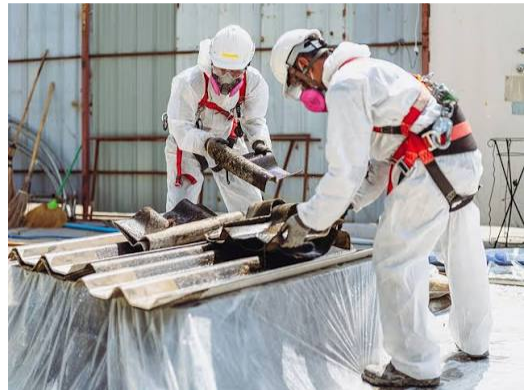
On industrial sites, that last question matters a lot. Pipe lagging, boiler insulation, gaskets, and the sprayed fireproofing on beams are the sort of things that turn up in plant rooms, and plenty of them are friable. Friable asbestos needs a Class A licence and much tighter controls. Bonded material, like cement sheeting or roof sheets, can be removed by someone with a Class B licence.
While you’re waiting on results, pull out the asbestos register. Any site built before 2004 should have one. Maybe the material’s already on it. Maybe this find is the first sign the register’s out of date.
The Project Plan Gets Reworked
When the results come back, the project manager, the removalist, and the other contractors need to get around a table and rework the plan.
How big a change? That depends on where the asbestos is and how much of it there is. A short length of lagging on one pipe might cost you a few days. Asbestos right through a plant room, or along several lines, can blow the schedule out a lot further.
A good industrial asbestos removal team proves its worth here. They’ll help you sort out which areas can keep going safely, which have to wait, and how to stage the removal so the rest of the job doesn’t grind to a halt.
Licensed Removal Begins
If the asbestos has to come out, the licensed removalist takes over that section of the site. In New South Wales, they need to notify SafeWork NSW before licensed removal work begins.
Next comes containment. With friable asbestos, that usually means a sealed enclosure under negative air pressure, which stops fibres drifting into the rest of the building. The crew wears proper protective gear, and air monitoring often runs while the work’s going on.
Waste gets wrapped, labelled, and taken to a facility that’s allowed to accept it. Larger loads in NSW also have to be tracked through the EPA’s system, which a reputable contractor will look after.
A lot of the older industrial suburbs in Western Sydney are full of sites built while asbestos was still in use. That’s why asbestos removal Sydney contractors are used to working inside live plants and squeezing jobs into tight shutdown windows. Get a written quote with removal, disposal, air monitoring, and clearance listed as separate items.
Clearance Before Work Restarts
Once removal’s finished, the area has to be inspected before anyone else goes in. The clearance inspection confirms the asbestos is gone and the space is safe to work in.
Then the fitters, sparkies, and everyone else can get back to it. Hang on to the clearance paperwork, and update your asbestos register and management plan so they show what’s been taken out.
What It Means for Cost and Schedule
A find halfway through a project nearly always costs you time and money. Testing, removal, and all the hours other trades spend waiting add up.
How much it costs is partly in your hands, though. Sites that stop work immediately, get samples taken quickly, and book licensed removal early lose far less time than the ones that try to work around it.
How to Avoid Surprises on the Next Project
The easiest fix is to deal with asbestos before the job starts. Work health and safety laws already require asbestos that could be disturbed during refurbishment or demolition to be identified first and, were reasonably practicable, removed.
So keep the register current and review the management plan at least every five years. Before any shutdown, upgrade, or demolition, get the materials in the work area checked. And have a licensed removalist lined up early, not once the crew’s already downed tools.
Planning work on an older site? Booking asbestos removal Sydney specialists before the shutdown starts can save you from the kind of scramble that Wetherill Park site manager went through. It also lets you schedule industrial asbestos removal around production instead of the other way round.
Frequently Asked Questions
Do I have to stop work if asbestos is found?
Yes. Stop any work that could disturb the material, and keep the area closed off until it’s been assessed.
Who can remove asbestos from an industrial site?
A licensed removalist. For industrial asbestos removal, bonded asbestos needs a Class B licence, while friable asbestos needs Class A.
Do I need to notify anyone in NSW?
Your licensed removalist has to notify SafeWork NSW before licensed removal starts. Any good asbestos removal Sydney contractor will handle that.