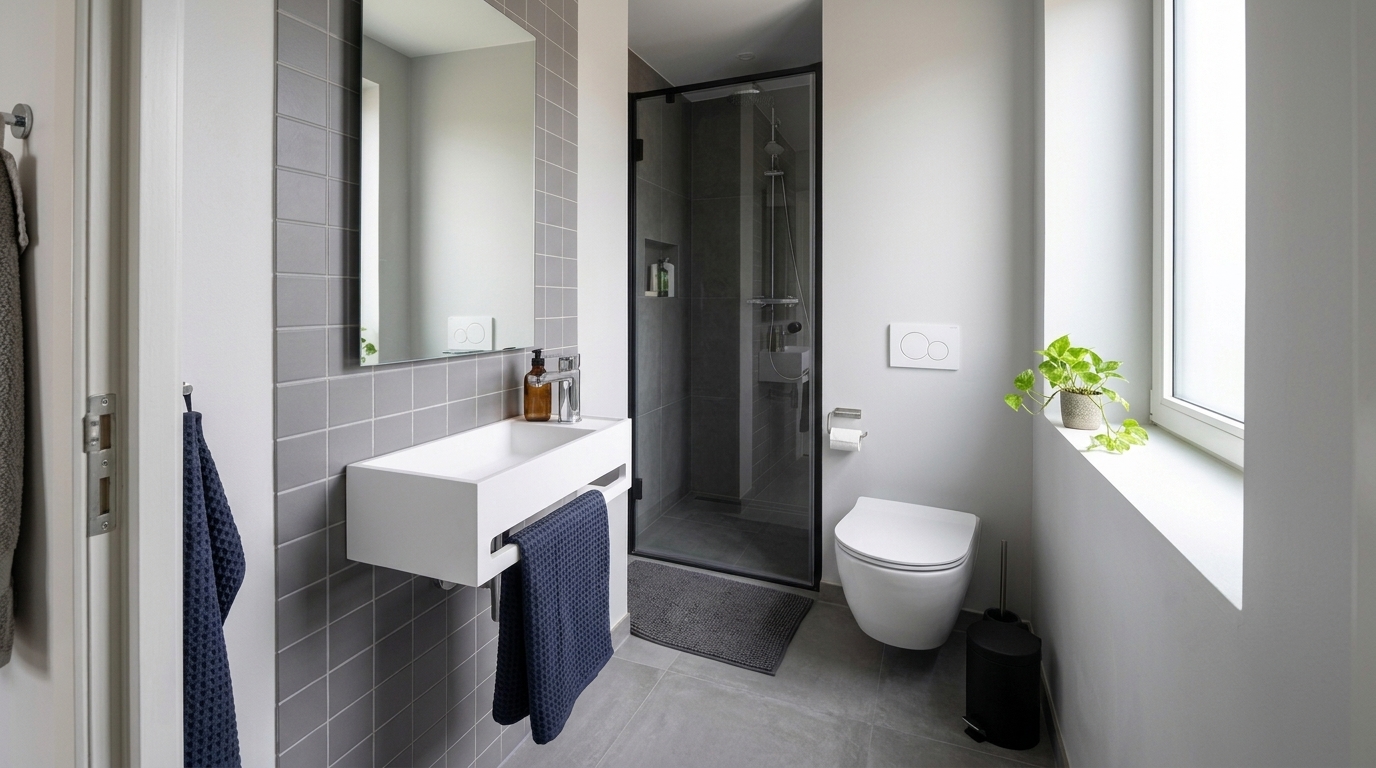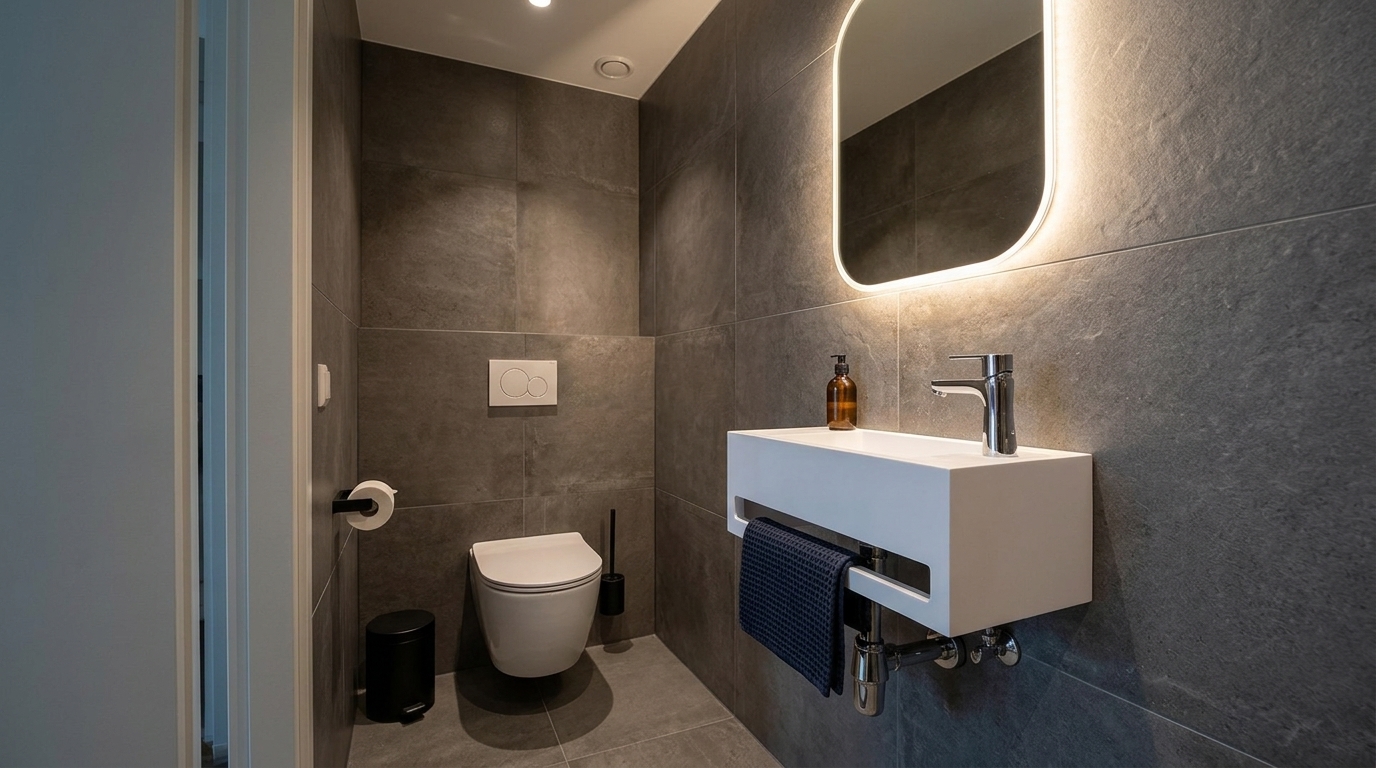
Bathroom fixtures face repeated contact with water, cleaning products, and everyday handling. Even a basin used mainly for handwashing must maintain its surface, fittings, and structural stability over time. In a compact bathroom, the selection process can be especially demanding because the fixture must be small enough to fit the layout without becoming uncomfortable or difficult to maintain. Durability should therefore be assessed alongside dimensions and appearance.
When evaluating a small basin for bathroom use, look beyond the product photograph and examine the material, surface finish, construction, and installation instructions. A well-made basin should be appropriate for its intended setting and supported by clear product information. Comparing these details before purchase can help avoid premature wear, difficult maintenance, or problems caused by incompatible fittings.
Understand the material options
The basin’s material is a major factor in its long-term performance. Ceramic and vitreous china are common bathroom choices because their glazed surfaces are generally smooth, easy to clean, and resistant to ordinary moisture exposure. Solid-surface materials offer another option, often allowing clean contemporary shapes and coordinated designs.
Different products can vary in composition and quality, even when they appear similar. Ask the manufacturer for technical information about the material, surface finish, and recommended care. Where possible, inspect a sample or display model to assess the consistency of the finish and the quality of the edges.
Examine the finish closely
A durable basin should have a consistent surface without obvious defects. Check for uneven glazing, rough patches, visible cracks, chips, or irregular edges. On a finished product, inspect the areas around the waste opening and tap hole carefully, as these locations are important for fitting and sealing.
The finish should also suit the cleaning routine. Some surfaces tolerate ordinary bathroom cleaners, while others may be damaged by abrasive powders, strong acids, or unsuitable solvents. Follow the manufacturer’s instructions rather than assuming every basin can be cleaned with the same products.
Select dimensions that support normal use
Durability is not only about resisting damage. A basin that is too shallow or narrow may cause frequent splashing, placing more water on nearby walls, cabinets, and floors. A bowl with appropriate depth and internal shape can contain ordinary handwashing more effectively.
Measure the available space and compare it with the basin’s full dimensions. Include the projection from the wall, rim width, tap clearance, and room needed for the user’s hands. Avoid choosing an extremely small fixture simply because it fits; the basin must remain comfortable enough for its intended purpose.
Check structural support and mounting hardware
The installation method has a direct effect on stability. A wall-mounted basin needs suitable wall support and fixings that match the product’s design. A countertop model requires a stable, level surface with an opening and support arrangement appropriate for the basin.
Do not rely on assumptions about the wall or cabinet. Confirm the fixing points, recommended hardware, and installation requirements in the technical documentation. If the wall is lightweight or the existing structure is uncertain, have a qualified installer assess whether reinforcement is needed.
Pay attention to taps and drainage
A suitable tap should be compatible with the basin’s design and positioned so water flows into the bowl effectively. Excessive pressure or an unsuitable spout angle can contribute to splashing and make the area harder to keep dry. Check the tap-hole size, spout reach, handle clearance, and whether the basin is designed for a deck-mounted or wall-mounted fitting.
The waste outlet and trap must also be compatible. Poorly fitted drainage connections can lead to leaks that damage cabinetry, flooring, and surrounding finishes. Use appropriate seals and have connections checked after installation.
Consider the demands of the household
A basin in a busy family bathroom may experience more frequent use than one in a guest washroom. Households with children may prefer a shape that is easy to reach and simple to clean. In a rental property or commercial setting, ease of maintenance and the availability of replacement fittings may be particularly important.
Think about the likely cleaning frequency, water quality, and exposure to cosmetics or toiletries. These conditions can influence which surface and finish are most practical.
Review the supplier’s product information
Reliable product information should include dimensions, material details, mounting instructions, care guidance, and relevant warranty terms. Ask how the product is packaged for delivery and what procedures apply if it arrives damaged. For a project involving several bathrooms, consistency between units and access to replacement products may also matter.
Protect the basin after installation
Use the recommended cleaning products and avoid striking the surface with hard objects. Do not place excessive loads on the rim or use the basin as a support. Inspect seals and plumbing connections periodically, and address leaks promptly.
Durability begins with an informed selection
A long-lasting compact basin is the result of suitable materials, sound construction, correct sizing, compatible fittings, and proper installation. Checking these factors before purchase makes it easier to choose a fixture that can handle regular use while remaining attractive and manageable to maintain.