Choosing between installing a new heating and cooling system or replacing an existing one can be a challenging decision. The right choice depends on factors such as the age of your current equipment, its efficiency, repair history, and your long-term comfort goals. Understanding the differences between installation and replacement can help you make an informed decision.
Whether you’re building a new property or upgrading an older system, HVAC solutions should be selected based on your specific needs. Evaluating your home’s size, energy efficiency requirements, and the condition of your current equipment can help determine which option provides the best value and performance.
When HVAC Installation Is the Right Choice
A new installation is typically required for newly constructed homes, commercial buildings, or properties that have never had a central heating and cooling system.
New installations are ideal when:
- Building a new home or office
- Converting from window units or space heaters
- Adding central climate control to an existing property
- Expanding a building that requires additional heating and cooling capacity
A properly planned installation ensures the system is correctly sized and designed for maximum efficiency.
When HVAC Replacement Makes More Sense
Replacement is often the better option when an existing system has reached the end of its useful life or no longer performs efficiently.
You should consider replacement if:
- The system is more than 10–15 years old.
- Repairs have become frequent and costly.
- Energy bills continue to increase.
- Indoor comfort has become inconsistent.
- Replacement parts are difficult to find.
A newer system can often deliver better performance while reducing long-term operating costs.
Comparing Installation and Replacement
Although both options involve adding or upgrading climate control equipment, they differ in scope and complexity.
| Installation | Replacement |
|---|---|
| Designed for properties without an existing central system | Replaces an existing heating and cooling system |
| May require new ductwork and electrical connections | Often uses existing ductwork if it remains in good condition |
| Common in new construction projects | Common in older homes or aging buildings |
| Requires complete system planning | Focuses on upgrading existing equipment |
Understanding these differences helps homeowners choose the most suitable solution.
Consider Energy Efficiency
Modern heating and cooling systems are significantly more energy-efficient than many older models. Replacing outdated equipment with newer technology can improve comfort while lowering monthly utility costs.
Energy-efficient systems often include:
- Variable-speed motors
- Smart thermostat compatibility
- Improved airflow management
- Higher efficiency ratings
These features contribute to more consistent indoor temperatures and reduced energy consumption.
Evaluate Repair Costs
One important factor in deciding between repair and replacement is the total cost of ongoing maintenance. If repair expenses continue to increase, investing in a replacement may offer better long-term value.
Consider replacement when repair costs approach a significant percentage of the cost of a new system or when major components begin to fail repeatedly.
Think About Long-Term Comfort
An aging system may still operate but struggle to maintain consistent temperatures throughout your home. Frequent cycling, uneven heating or cooling, and poor airflow can all reduce overall comfort.
A modern replacement system often provides:
- More even temperature distribution
- Better humidity control
- Improved indoor air quality
- Quieter operation
These improvements can make a noticeable difference in everyday living.
Professional Assessment Matters
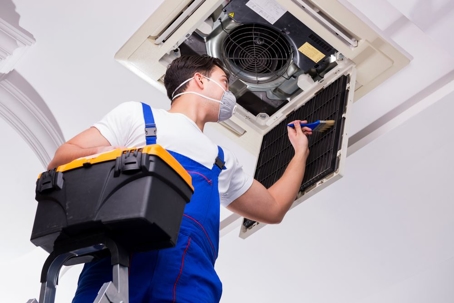
Choosing between installation and replacement should begin with a professional evaluation. An experienced technician can assess your property’s heating and cooling requirements, inspect existing equipment, and recommend the most practical solution.
Proper sizing and expert installation are essential for achieving reliable performance and maximizing system lifespan.
Conclusion
Both installation and replacement offer valuable benefits depending on your property’s condition and future needs. New installations are ideal for properties without existing systems, while replacements provide an effective solution for aging or inefficient equipment. By considering factors such as system age, repair costs, energy efficiency, and long-term comfort, you can make a confident decision that supports reliable indoor climate control for years to come.