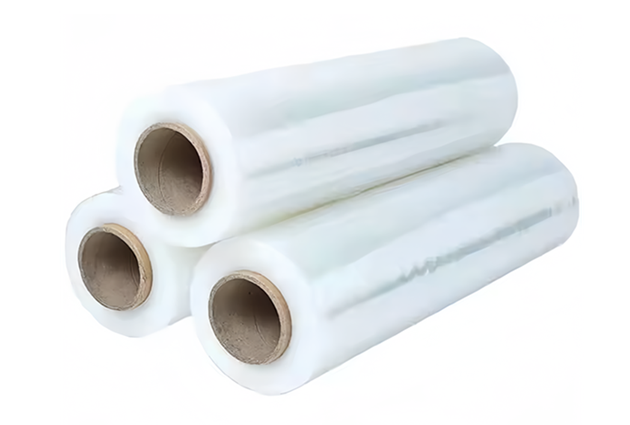
PVA water soluble film is a specialized material designed to interact with water and gradually dissolve under suitable conditions. This property makes it useful for packaging products that need to be released into water without requiring the user to open and remove a conventional package.
The dissolution process depends on several factors, including water temperature, film formulation, thickness, agitation, and water chemistry. PVA Water Soluble Film can therefore be formulated for different applications and dissolution requirements. POLYVA is involved in PVA film solutions for packaging and other applications where controlled water solubility is required.
What Is PVA Water Soluble Film?
PVA, or polyvinyl alcohol, is a water-soluble polymer that can be processed into thin films. Depending on its formulation and manufacturing method, the resulting film can provide a combination of mechanical strength, flexibility, transparency, and water solubility.
Unlike ordinary plastic films that are designed to remain intact when exposed to water, PVA film is engineered to interact with water and eventually disperse into the surrounding liquid.
What Happens When the Film Contacts Water?
Dissolution begins when water reaches the surface of the film. Water molecules interact with the polymer structure, causing the film to become hydrated.
As hydration progresses, the film can soften and gradually lose its original structure. Continued exposure allows the polymer material to disperse into the water.
The exact sequence and speed depend on the characteristics of the film and the conditions surrounding it.
The Role of Water Temperature
Temperature is one of the most important factors affecting dissolution. In many formulations, warmer water promotes faster hydration and dissolution, while colder water may slow the process.
However, not all PVA films behave identically. Some formulations are developed specifically for cold-water dissolution, while others are intended for warmer applications.
Cold-Water Conditions
Films designed for cold-water applications need to balance water sensitivity with sufficient stability during storage and handling.
This is particularly relevant for products that are expected to dissolve in ambient-temperature water or relatively cool washing conditions.
Warm-Water Conditions
Higher temperatures can accelerate the interaction between water and the film. This may be useful when rapid dissolution is required during a washing or industrial mixing process.
The selected film should nevertheless be tested at the actual operating temperature rather than assuming that higher temperatures will always produce the desired result.
The Effect of Film Thickness
Film thickness can influence the time required for complete dissolution. A thinner film generally has less material to hydrate, while a thicker film may require a longer exposure period.
Manufacturers can adjust thickness according to the mechanical and dissolution requirements of a particular application.
The goal is to achieve an appropriate balance between durability before use and dissolution performance during use.
How Agitation Affects Dissolution
Water movement can significantly influence how quickly a soluble film dissolves. Agitation brings fresh water into contact with the film surface and helps disperse material that has already dissolved.
For example, a film pouch placed in a washing machine may experience considerably more water movement than a pouch placed in a stationary container.
This is why dissolution tests should reproduce the conditions expected during actual product use whenever possible.
The Importance of Water Chemistry
The composition of water can also affect dissolution behavior. Factors such as mineral content, pH, dissolved salts, and other substances may influence the interaction between the film and the surrounding water.
For commercial applications, testing with representative water conditions can provide more useful results than relying exclusively on laboratory-grade water.
Dissolution Versus Disintegration
It is important to distinguish dissolution from simple physical breakdown. A package may tear or fragment without the film itself fully dissolving.
True dissolution involves the water-soluble material dispersing into the aqueous environment. The desired endpoint should therefore be clearly defined when evaluating a film for a particular application.
Applications That Depend on Dissolution
PVA water soluble film is used in several packaging and industrial applications where controlled dissolution is useful.
Single-Dose Cleaning Products
Laundry detergents, dishwashing products, and other cleaning formulations can be enclosed in individual soluble pouches. During use, water dissolves the film and releases the predetermined quantity of product.
Agricultural Products
Agricultural formulations can be packaged in soluble portions that are added directly to water for dilution. This can simplify dosing and reduce manual contact with concentrated formulations.
Industrial Chemicals
Some industrial chemicals are supplied in water-soluble pouches where controlled quantities are required. Film selection depends heavily on compatibility with the formulation and the intended dissolution environment.
Textile Applications
PVA film can also be used as a temporary support material in certain textile and embroidery processes. After the relevant process is completed, water can remove the soluble film under suitable conditions.
Factors That Influence Dissolution Speed
Several variables can work together to determine how quickly a PVA film dissolves:
- Water temperature
- Film thickness
- Polymer formulation
- Water movement
- Surface area
- Water chemistry
- Product formulation
- Contact time
- Package design
Changing any one of these factors may influence the overall dissolution profile.
Designing a Dissolvable Package
When PVA film is used to create a soluble pouch, the package needs to be designed around both the product and the intended use environment.
Film dimensions, pouch shape, seal construction, filling quantity, and film thickness can all affect performance.
A package that dissolves effectively in one application may not provide the same result in another environment. Application-specific testing is therefore an important part of package development.
Storage Before Use
Although PVA film is designed to dissolve in water, it must remain stable during storage. Excessive humidity or direct water exposure can affect its physical properties before the package is ready for use.
Protective packaging and suitable environmental conditions can help maintain film quality throughout transportation and storage.
How Dissolution Is Tested
Manufacturers can evaluate dissolution by exposing film samples or finished pouches to controlled water conditions.
Testing may measure the time required for the film to dissolve or reach a defined endpoint. Variables such as temperature, agitation, and water composition can be adjusted to simulate different applications.
Testing the complete package rather than only the raw film can provide a more realistic understanding of performance.
Conclusion
PVA water soluble film dissolves through a gradual interaction between its polymer structure and surrounding water. Water first hydrates the film surface, after which the material softens and disperses under suitable conditions.
Temperature, film thickness, formulation, agitation, water chemistry, and package design all influence the dissolution process. Understanding these factors allows manufacturers to select and test PVA film according to the specific requirements of cleaning, agricultural, industrial, textile, and other applications.