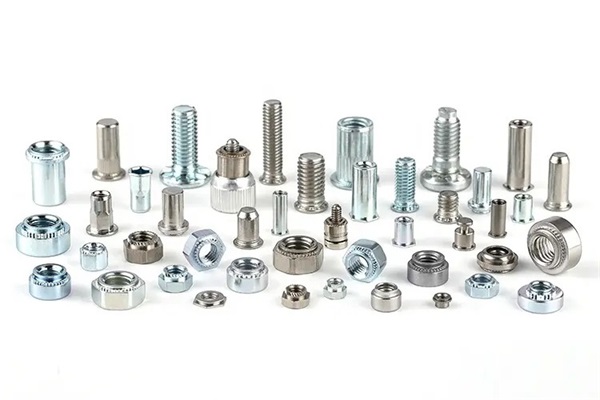
Fasteners are critical components used in industries where safety, durability, and precision are essential. From automotive manufacturing and construction to industrial machinery and electronics, the quality of fasteners directly affects the reliability of finished products and structures.
As global demand for reliable fastening solutions continues to grow, manufacturers must follow strict production guidelines and quality control procedures. Companies sourcing from a trusted China Fastener supplier should understand the standards, testing methods, and manufacturing practices that influence product performance.
Importance of Quality Standards in Fastener Manufacturing
Quality standards help ensure that fasteners meet specific requirements for strength, dimensions, material properties, and performance. Without proper standards, inconsistent production could lead to connection failures, safety risks, and increased maintenance costs.
Reliable fastener production focuses on maintaining:
- Accurate measurements and specifications
- Consistent material quality
- Proper mechanical strength
- Long-term durability under different conditions
Following established standards allows manufacturers to produce fasteners that perform reliably in various applications.
Material Selection and Testing Requirements
The quality of a fastener begins with the materials used during production. Different applications require different materials based on factors such as load capacity, corrosion resistance, and environmental exposure.
Common material considerations include:
- Stainless steel for corrosion-resistant applications
- Carbon steel for general industrial use
- Alloy steel for high-strength requirements
Material testing helps verify chemical composition, hardness, and mechanical properties before products move into further manufacturing stages.
Dimensional Accuracy and Manufacturing Precision
Precision is essential in fastener production because even small differences in size or threading can affect installation and performance. Manufacturers use advanced equipment and inspection methods to maintain accurate product dimensions.
Quality checks often include:
- Thread accuracy testing
- Size and shape measurements
- Surface finish inspections
- Tolerance verification
These processes ensure fasteners fit properly and provide secure connections.
Mechanical Performance Testing
Fasteners must withstand various forces during operation, including tension, pressure, and vibration. Mechanical testing evaluates whether products can handle the required working conditions.
Important performance tests may include:
- Tensile strength testing
- Hardness testing
- Load capacity evaluation
- Fatigue resistance testing
These assessments help confirm that fasteners can maintain reliable performance over time.
Surface Treatment and Corrosion Protection
Surface treatments improve fastener durability by protecting against rust, wear, and environmental damage. The appropriate coating depends on the application and operating environment.
Common surface treatment options include:
- Zinc coatings for corrosion resistance
- Protective finishes for improved durability
- Specialized treatments for demanding environments
Proper surface protection extends product life and reduces maintenance requirements.
Compliance With International Standards
Many fastener manufacturers follow internationally recognized standards to ensure product consistency and compatibility. These standards provide guidelines for design, production, testing, and quality management.
Compliance with industry standards helps businesses confidently integrate fasteners into global supply chains and meet project requirements.
Quality Control Throughout Production
Effective quality control is maintained throughout the entire manufacturing process, from raw material inspection to final product evaluation. Regular inspections help identify potential issues and ensure every batch meets required specifications.
A strong quality management system supports reliable production and helps manufacturers deliver consistent results for different industries.
Conclusion
Understanding quality standards for China fastener production is essential when selecting reliable fastening solutions. Material quality, manufacturing precision, mechanical testing, and proper quality control all contribute to better product performance.
By evaluating these factors, businesses can choose fasteners that provide strength, durability, and dependable performance for a wide range of industrial applications.