Ordering sunglasses in bulk requires more than choosing attractive frames. Buyers need to evaluate product quality, materials, lens features, sizing, pricing, and supplier reliability before committing to an order. A careful review helps retailers build inventory that matches customer expectations and supports consistent sales.
Before placing an order for wholesale men sunglasses, buyers should examine each product category and understand the supplier’s manufacturing capabilities. Reviewing samples and specifications in advance gives retailers a clearer picture of what they can expect from the finished products.
Check Frame Quality and Materials
Frame construction has a direct effect on comfort, durability, and overall appearance. Buyers should inspect hinges, temples, bridges, nose pads, and frame edges for signs of poor workmanship.
Ask suppliers about the materials used in production. Common options include acetate, stainless steel, aluminum, TR90, and other plastics. The right choice depends on the intended price point and customer preferences.
Review Lens Quality
Lens quality deserves close attention because it affects both product performance and customer satisfaction. Buyers should confirm the lens material, color, finish, and available protective features.
Retailers should also verify whether lenses offer UV protection and whether polarized options meet their target market’s needs. Clear product specifications make it easier to communicate accurate information to customers.
Confirm UV Protection
Sunglasses should provide suitable protection from ultraviolet radiation. Buyers should request clear information about the level and type of UV protection offered by the lenses.
Do not rely solely on product appearance. A dark lens does not automatically indicate adequate UV protection, so retailers should confirm specifications and available testing or certification documentation with the supplier.
Examine Frame Size and Fit
A wholesale collection should include different frame dimensions to accommodate a broader range of customers. Buyers should review measurements such as lens width, bridge width, temple length, and overall frame width.
Consistent sizing information also helps retailers organize product listings for online stores. Accurate measurements can reduce confusion and make it easier for customers to select suitable frames.
Inspect Samples Before Bulk Ordering
Samples provide valuable insight into the actual quality of a product. Product photographs may not reveal details such as hinge tension, frame finish, weight, lens clarity, or small manufacturing imperfections.
Before placing a large order, buyers should inspect samples and compare them with the supplier’s specifications. This step can reveal quality concerns before they affect a larger shipment.
Evaluate Design Variety
Retailers need products that match the preferences of their target customers. A collection that contains only one frame shape or style may limit sales opportunities.
Consider a balanced selection that includes:
- Aviator and pilot frames
- Square and rectangular designs
- Round and retro-inspired styles
- Sport and wraparound frames
- Classic black and neutral colors
- Fashion-forward finishes and lens colors
The exact mix should reflect the store’s audience rather than simply following short-term trends.
Ask About Customization Options
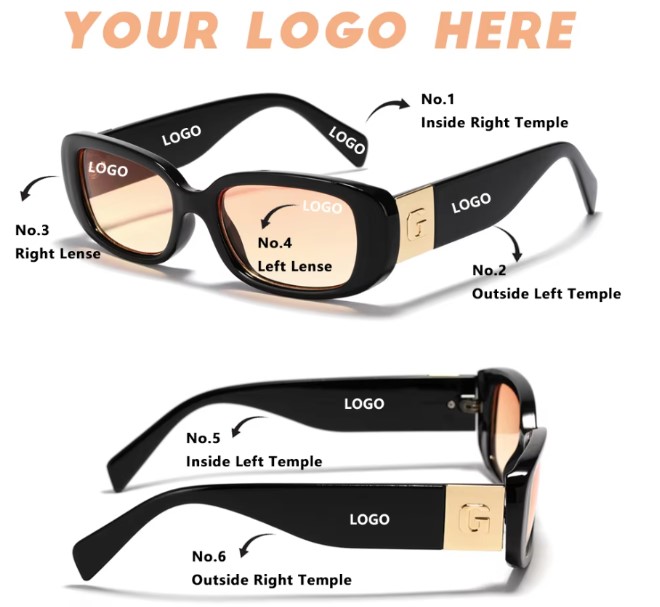
Some retailers want sunglasses that match a particular brand identity. Buyers should ask whether suppliers offer customization for elements such as frame colors, logos, lens treatments, packaging, and product details.
Eugenia Eyewear can provide another option for retailers exploring men’s sunglasses and different product specifications. Discussing customization requirements early helps buyers determine what the supplier can realistically support.
Compare Pricing and Minimum Order Quantities
Wholesale pricing should always be evaluated alongside minimum order quantities. A low unit price may not offer good value when the required order quantity exceeds the retailer’s budget or storage capacity.
Buyers should calculate the expected cost per unit and account for packaging, shipping, customization, and other applicable expenses. Comparing suppliers using the same specifications creates a more useful price assessment.
Understand Production and Delivery Times
Lead times matter when retailers plan seasonal collections or promotional campaigns. Buyers should ask how long sample development, production, quality checks, and shipping normally take.
A supplier should provide realistic timelines rather than vague estimates. Clear communication about production schedules helps retailers avoid unnecessary inventory gaps.
Check Quality Control Procedures
Ask how the supplier handles quality inspections before products leave the factory. A reliable quality control process can help identify scratched lenses, uneven finishes, loose hinges, incorrect colors, and other defects.
Buyers should also clarify how defective products get handled. Understanding the inspection and replacement process before ordering can prevent disputes later.
Review Packaging Requirements
Packaging can influence both product protection and presentation. Buyers should determine whether sunglasses arrive individually packaged and whether boxes, pouches, cleaning cloths, labels, or other accessories come with the order.
Retailers that sell premium eyewear may also require customized packaging. Discussing these details before production helps ensure the final shipment matches the intended retail presentation.
Assess Supplier Communication
Good communication matters throughout the purchasing process. Buyers should look for suppliers that respond clearly to questions about specifications, samples, pricing, production, and shipping.
Pay attention to how carefully a supplier handles technical details. Clear answers and organized documentation can make the entire wholesale purchasing process easier to manage.
Consider Brand and Market Position
The sunglasses should fit the retailer’s existing product range and target price point. Buyers selling affordable everyday eyewear may need different materials and designs than retailers targeting a premium audience.
Eugenia Eyewear offers men’s eyewear options that retailers can consider when developing collections for different customer preferences. Buyers should still review individual product specifications and samples before making purchasing decisions.
Make a Checklist Before Ordering
Before confirming a wholesale order, buyers should review the key details one more time:
- Frame materials and construction
- Lens specifications and UV protection
- Frame measurements and available sizes
- Product colors and design variations
- Sample quality
- Customization requirements
- Minimum order quantity
- Unit pricing and additional costs
- Production and delivery timelines
- Quality control and defect procedures
- Packaging specifications
- Supplier communication and support
Make a More Confident Wholesale Purchase
Buying sunglasses in bulk becomes easier when retailers evaluate products systematically. Quality, lens protection, fit, design variety, pricing, customization, and supplier reliability all deserve attention before an order gets confirmed.
A thorough pre-order review helps retailers reduce avoidable problems and create a collection that suits their customers. Whether a retailer needs classic frames, sport styles, polarized lenses, or customized designs, careful supplier evaluation provides a stronger foundation for long-term wholesale purchasing.