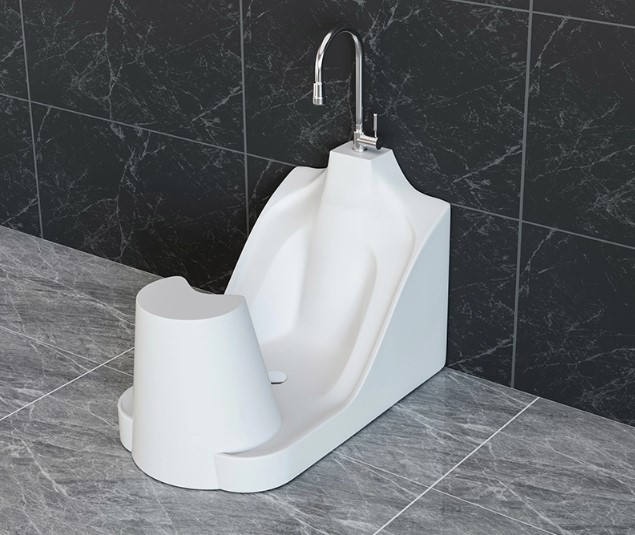
A bathroom fixture goes through regular use, exposure to water, and frequent cleaning. These conditions make material selection an important part of any bathroom renovation or new installation. For a dedicated ablution area, the basin needs to handle daily washing without losing its appearance or becoming difficult to maintain.
Choosing a suitable Wudu sink involves more than comparing colors and shapes. The material affects how well the basin handles moisture, stains, scratches, and temperature changes over time. Understanding the strengths and limitations of different materials helps homeowners select a fixture that offers lasting performance and suits their bathroom requirements.
Why Does Material Selection Matter For A Wudu Sink?
An ablution basin experiences different conditions from a decorative bathroom fixture. People use it several times a day to wash their hands, face, arms, and feet. Frequent water exposure and repeated cleaning place ongoing demands on its surface.
A suitable material should provide:
- Moisture resistance: The surface should handle regular contact with water without deteriorating.
- Durability: The basin should withstand everyday use and minor accidental impacts.
- Stain resistance: Soap residue and other common bathroom substances should not leave permanent marks easily.
- Easy maintenance: Routine cleaning should not require specialized products or excessive effort.
- Surface stability: The material should retain its finish and appearance with proper care.
No single material performs equally well in every category. The best choice depends on the bathroom environment, expected usage, maintenance habits, and available budget.
1. Solid Surface: A Practical Choice For Modern Ablution Areas
Solid surface materials are popular in contemporary bathroom designs because they combine a smooth appearance with flexible manufacturing options. They generally consist of mineral fillers and resin binders, although exact compositions vary between manufacturers.
Their nonporous construction makes them suitable for areas that experience frequent water exposure.
Main Advantages Of Solid Surface
One major benefit is the ability to create different basin shapes and configurations. Manufacturers can produce integrated bowls, customized dimensions, and designs that suit specific bathroom layouts.
Other advantages include:
- Smooth surfaces that are easy to wipe clean.
- Good resistance to everyday stains with proper care.
- No grout lines in many integrated basin designs.
- Consistent colors and finishes.
- Repairable minor surface scratches in many product formulations.
These properties make solid surface a useful option for residential bathrooms and shared ablution facilities.
What Should You Consider?
Solid surface products differ in composition and quality. Some formulations offer better resistance to scratches, heat, and chemicals than others.
Homeowners should check the manufacturer’s technical specifications rather than assuming every product has the same performance. Avoid placing very hot objects directly on the surface and follow the recommended cleaning instructions.
2. Ceramic: A Traditional And Easy-To-Maintain Option
Ceramic remains one of the most familiar materials for bathroom basins. Its glazed surface creates a smooth finish that handles regular washing and routine cleaning.
It is available in different shapes and sizes, making it suitable for both compact and spacious ablution areas.
Benefits Of Ceramic Basins
Ceramic has several qualities that make it a practical bathroom material.
- Easy cleaning: Its glazed surface helps prevent ordinary dirt and soap residue from sticking.
- Moisture resistance: Properly glazed ceramic does not absorb water easily.
- Color options: White remains common, although other finishes are available.
- Low routine maintenance: Regular cleaning usually keeps the surface in good condition.
- Availability: Homeowners can find ceramic basins in many conventional bathroom designs.
These features make ceramic a reasonable choice for households looking for a familiar and straightforward fixture.
Possible Drawbacks
Ceramic is hard and durable under normal conditions, yet it can crack or chip after a strong impact. Damage to the glaze may also affect the appearance of the basin.
Another consideration is customization. Ceramic manufacturing generally offers less flexibility for unusual dimensions and integrated basin designs than solid surface production.
3. Porcelain: A Smooth Surface With Good Moisture Resistance
Porcelain is a type of ceramic material made using refined clay and high-temperature firing. Its dense structure and glazed finish make it a suitable option for bathroom applications.
It is often selected for its clean appearance and resistance to moisture.
Why Choose Porcelain?
Porcelain basins offer several practical advantages:
- A dense body with low water absorption.
- Smooth glazed surfaces that simplify cleaning.
- Good resistance to common bathroom stains.
- A polished appearance that suits modern interiors.
- Availability in different shapes and finishes.
These qualities make porcelain suitable for bathrooms that receive regular use.
Limitations To Keep In Mind
Porcelain can still chip or crack when exposed to strong impacts. Its hard surface also provides limited flexibility for customized basin shapes.
Check the product specifications carefully, especially when comparing porcelain fixtures with standard ceramic alternatives. Manufacturing quality and glaze performance can vary between products.
4. Natural Stone: A Distinctive Bathroom Finish
Natural stone gives an ablution area a different appearance from conventional ceramic or solid surface fixtures. Marble, granite, and other stone varieties offer natural patterns and textures that work well in premium bathroom interiors.
Each piece may have a slightly different appearance, which makes natural stone attractive for homeowners who prefer natural finishes.
Benefits Of Natural Stone
Stone basins can provide:
- Distinctive patterns and natural color variations.
- A substantial and premium appearance.
- Good durability depending on the stone type.
- Compatibility with stone countertops and matching wall finishes.
Granite generally offers better resistance to scratching than many softer stones. Marble provides a different visual appeal but requires more attention to maintenance.
Maintenance Requirements
Natural stone is not equally resistant to water, stains, or cleaning chemicals. Some varieties have porous surfaces that need periodic sealing.
Acidic cleaners may damage certain stones, particularly marble. Use products recommended for the selected material and wipe away soap residue regularly.
5. Stainless Steel: A Functional Option For Certain Settings
Stainless steel is commonly used in commercial kitchens, healthcare facilities, and industrial washing areas. Its corrosion resistance and practical cleaning requirements also make it an option for some utility-style ablution installations.
Advantages Of Stainless Steel
A stainless steel basin offers several useful properties:
- Resistance to corrosion when the correct grade is selected and maintained.
- Relatively low weight compared with many stone fixtures.
- Easy cleaning with suitable non-abrasive products.
- Good impact resistance in appropriately constructed models.
- A simple appearance that suits functional interiors.
What Are Its Limitations?
Stainless steel can develop visible water spots, fingerprints, and scratches. Lower-quality grades may also experience corrosion under unsuitable conditions.
Its appearance may not suit homeowners looking for a warm or decorative bathroom interior. For this reason, it often works better in practical shared facilities than in bathrooms where visual coordination is a priority.
Material Comparison For A Long Lasting Wudu Sink
Each material has different strengths. The following comparison provides a general overview to help narrow down the available options.
| Material | Moisture Resistance | Maintenance | Customization | Main Consideration |
| Solid Surface | Very good | Easy with proper care | High | Quality varies by formulation |
| Ceramic | Very good | Easy | Limited | Can chip or crack |
| Porcelain | Very good | Easy | Limited | Hard impacts may cause damage |
| Natural Stone | Varies by type | Moderate to high | Moderate | May require sealing |
| Stainless Steel | Very good with suitable grade | Easy | Moderate | Scratches and water spots may show |
These are general material characteristics. Actual performance depends on manufacturing quality, installation, finish, and maintenance.
What Features Make A Basin More Durable?
Material selection is only one part of choosing a long-lasting fixture. Basin construction and installation also influence how well it performs over time.
Surface Finish
A smooth, properly finished surface is easier to clean and less likely to retain ordinary dirt and soap residue.
Inspect the basin for uneven areas, visible defects, or rough edges before installation. These details can affect both appearance and maintenance.
Basin Thickness And Construction
The thickness and internal structure influence the basin’s ability to withstand everyday use. A fixture should have suitable support for its size and installation method.
For wall-mounted models, check the recommended mounting hardware and load requirements. Floor-standing models need a stable base and level installation surface.
Drainage Design
A well-positioned drainage outlet helps prevent water from collecting inside the basin. Standing water can leave mineral deposits and increase cleaning requirements.
Check that the drain opening is compatible with the plumbing system and that the basin directs water toward the outlet.
Resistance To Cleaning Products
Bathroom surfaces come into contact with different cleaning solutions over time. Some materials may become dull or damaged when exposed to harsh chemicals.
Follow the manufacturer’s cleaning recommendations and avoid abrasive pads unless the product instructions specifically allow them.
How To Maintain Different Wudu Sink Materials
Even a durable basin needs regular care. A suitable cleaning routine helps preserve the surface and prevents minor problems from becoming more difficult to address.
| Material | Recommended Care |
| Solid Surface | Use mild soap and a soft cloth. Follow the manufacturer’s instructions for removing scratches. |
| Ceramic | Clean with a non-abrasive bathroom cleaner and avoid strong impacts. |
| Porcelain | Wipe regularly and use suitable products that protect the glaze. |
| Natural Stone | Use stone-safe cleaners and apply sealant when recommended. |
| Stainless Steel | Clean with a soft cloth and wipe in the direction of the surface grain. |
Also inspect the faucet, drainage connections, and surrounding sealant periodically. Small leaks can damage nearby cabinets and flooring when left unattended.
Which Material Offers The Best Long-Term Value?
The most expensive material does not automatically provide the best value. A suitable choice should balance purchase cost, expected lifespan, cleaning requirements, and repair options.
For example, ceramic and porcelain suit homeowners who prefer familiar materials with straightforward maintenance. Natural stone may appeal to those who prioritize distinctive finishes and accept the additional care requirements.
Solid surface is worth considering when customized dimensions, integrated designs, and repairable minor surface damage matter. Kingkonree provides solid surface bathroom solutions that homeowners can review when comparing contemporary basin materials.
The final decision should reflect the actual product specifications rather than material names alone.
Final Thoughts
Solid surface, ceramic, porcelain, natural stone, and stainless steel each offer different advantages for ablution areas. The right material depends on how frequently the basin will be used, the preferred bathroom style, and the amount of maintenance the household can manage.
For a long-lasting fixture, pay attention to moisture resistance, surface quality, construction, drainage, and cleaning requirements. Comparing these details before purchasing helps homeowners select a basin that remains practical and attractive through years of regular use.